undefined
Posts
undefined
Followers
Regulators approve new Chesapeake Bay menhaden limits; Virginia votes against
By Erin Miller,
11 days ago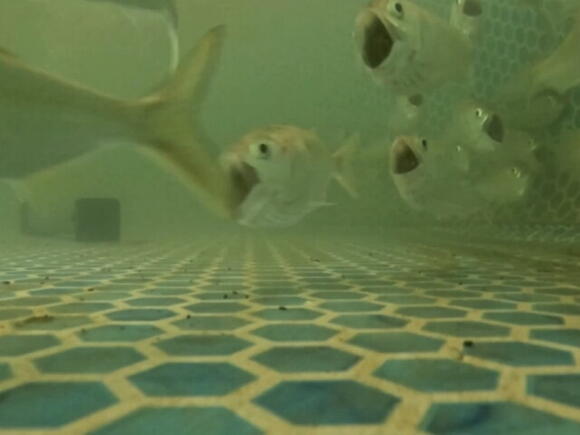
Commercial fishermen will face new menhaden catch limits in the Chesapeake Bay beginning next year after regional fisheries managers approved new limits Wednesday.
The Atlantic States Marine Fisheries Commission's Atlantic Menhaden Management Board approved a reduction-fishery cap of 37,123 metric tons for 2027 and 33,847 metric tons for 2028.
The current cap is 51,000 metric tons.
The motion passed 14-2, with Virginia voting against the measure.
The new management measures in Atlantic Menhaden Draft Addendum II are scheduled to take effect May 1, 2027.
What else the board decided
Wednesday's vote included several other decisions affecting how the Chesapeake Bay menhaden fishery will be managed.
The board voted to establish 51,000 metric tons as the upper limit for the Chesapeake Bay reduction-fishery cap going forward, with no established lower limit. That motion passed 13-2 with Virginia again opposed.
A separate proposal would have divided the fishing season into three quota periods of even length in uneven harvest.
That motion failed, meaning the current seasonal management structure will remain in place.
The board also agreed to revisit the Chesapeake Bay cap every three years, a timeline that could allow future decisions to incorporate research now being developed.
Why this has been so controversial
Menhaden are small forage fish that serve as an important food source for Chesapeake Bay predators, while also supporting Virginia's commercial menhaden fishery.
The commission began considering changes amid concerns about a concentration of fishing effort that may be affecting other fisheries and having other ecological impacts in the Bay. The existing 51,000-metric-ton cap has been in place since 2018.
During the meeting, the Chesapeake Bay Foundation supported additional protections, arguing managers should take a more precautionary approach while scientists continue trying to understand what's happening specifically inside the Bay.
Chesapeake Bay Foundation Forage Campaign Manager Will Poston said, “For the Chesapeake Bay, this is a hard-earned win, but it’s not the finish line. Reaching the lowest Bay cap on record is real progress toward a healthy Bay. But more must be done to protect menhaden and the wildlife that depend on them. That includes ensuring upcoming research is rigorous, transparent, and free from undue industry influence."
Ocean Harvesters and fishermen working out of Reedville opposed additional cuts, arguing there is not sufficient science showing the commercial fishery is causing the concerns and warning that lower limits will affect workers whose income depends on the catch.
Monty Deihl, CEO of Ocean Harvesters, said the lower quotas will be difficult for workers and communities.
“These cuts affect our union workers, African American and other minority fishermen, processing employees and families, as well as businesses throughout the Northern Neck,” Deihl said.
“We are disappointed that the menhaden fishery is being treated differently from other fisheries the ASMFC regulates. Our workers and families deserve the same consideration. Their jobs, communities and the economic consequences of these decisions matter just as much.
The scientific distinction has been at the center of the debate: the latest assessment finds Atlantic menhaden are not overfished coastwide and overfishing is not occurring, but scientists do not currently have the same assessment specifically for the Chesapeake Bay.
Virginia Institute of Marine Science researchers are beginning new Bay-specific work, including tagging menhaden to better understand their movement and the effect of fishing inside the Chesapeake.
The reduction cap may impact those studies as scientists are tagging fish caught by Ocean Harvesters.
Research is expected to span 2027 and 2028.
The board's decision to revisit the Bay cap every three years could eventually give commissioners an opportunity to incorporate findings from that research into future regulations.
More environment stories
Regulators approve new Chesapeake Bay menhaden limits; Virginia votes against
Menhaden limits could reshape Chesapeake Bay and Virginia fishing jobs
Flooding impact on drought, and how climate change factors in
Lynnhaven River Now hosts native plant seed collection for local gardeners
El Nino Impacts on Hurricane Season and our upcoming Winter
Elizabeth River Project hosts beekeeping workshop
The Elizabeth River Trail Foundation hosts an International Coastal Cleanup
Learning how to identify a wetland in Hampton Roads
Click here to see how we use AI at WTKR News 3.
 Add to Preferred Sources


