undefined
Posts
undefined
Followers
OP-ED: Los Angeles Is Spending More and Getting Less on Homelessness
By Thomas Wolf,
9 hours ago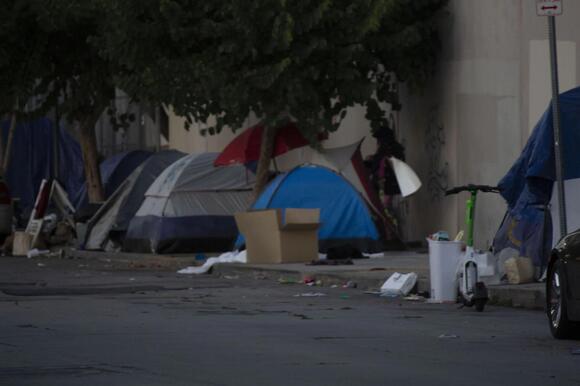
LOS ANGELES - This January, as San Francisco recorded its lowest unsheltered count in 15 years and Oakland cut homelessness nearly 20 percent, Los Angeles sent volunteers out for its annual count. When the results came back in July, two years of progress had stalled. Homelessness rose 1.2 percent countywide, to 73,040 people. In the city of Los Angeles it rose 3.4 percent, and the number of people sleeping outside jumped 7.9 percent. The Los Angeles Homeless Services Authority says those changes fall within the margin of error. Maybe so. But a region that has poured billions into this crisis should not be measuring success by whether things got statistically worse.
Los Angeles is not the West Coast's worst city by every measure. Per resident, Portland and San Francisco have more homelessness, and San Francisco's overdose death rate is roughly three times LA County's. But no region comes close to LA's scale. About 29,000 people sleep unsheltered in the city of Los Angeles alone, more than are homeless in all of King County and San Francisco combined.
Scale is not the only problem. Money is.
Since 2017, voters have approved Measures H, ULA and A, adding roughly $6 billion in city and county resources on top of the $1.2 billion HHH housing bond. The city's annual homelessness budget grew from about $139 million in 2016 to nearly $1 billion. Yet in March 2025, a court-ordered review found the city could not track how much it was spending on homeless programs or verify that the services it paid for were delivered. The agency at the center of it has failed audit after audit. In June, HUD suspended about $200 million in federal funding to LAHSA, saying the agency could not document nearly 2,300 housing sites it oversees and had falsely certified it had a conflict-of-interest policy. The county has already moved more than $300 million from LAHSA into a new department, and the city says it will separate too.
Then there are the results. Permanent housing placements fell from about 28,600 in 2024 to 23,532 last year. About 41 percent of participants in Mayor Karen Bass's signature Inside Safe program have returned to homelessness. For every person housed, roughly 2 more newly homeless people came looking for help. In the Metro region, which includes Skid Row, unsheltered homelessness rose about 20 percent in a year. Much of what Los Angeles builds is "low barrier" housing, where drug use is tolerated. San Francisco's experience should be a warning: nearly one in four overdose deaths there happens inside housing for the homeless. A bed without a path to recovery is not an exit from homelessness. It is a different address for the same crisis.
The human toll is clearest in the death data. In 2024, 2,208 homeless people died in Los Angeles County. Overdose was the leading cause, killing 884. That was fewer than the year before, and countywide overdose deaths have now fallen three years in a row, which is real progress. But the decline slowed to 6 percent in 2025. Overdose deaths fell while the number of people living outside rose. Unfortunately, Los Angeles is getting better at keeping people alive on the street, but no better at getting them off it. That, my friends, is harm reduction at its worst.
San Francisco shows another way. Mayor Daniel Lurie folded nine scattered outreach teams into neighborhood teams under the Department of Public Health and tied outreach directly to treatment. Shelter placements rose 40 percent, and the city now shelters a record 57 percent of its homeless population. The city of Los Angeles shelters about 35 percent.
As someone in recovery who has also experienced homelessness, I know the difference between surviving the street and leaving it. What changes a life is a path: treatment, accountability and a stable place to live that expects something of you.
Los Angeles needs three things. First, shelter, tied to treatment, so an offer made on the sidewalk leads to detox, recovery and work, not a revolving door. Second, contracts that pay for outcomes, meaning people who stay housed and sober, rather than beds filled and contacts made. With Measure A expected to raise about $1 billion a year, there is no excuse not to. Third, public reporting on whether people placed indoors are still housed six and twelve months later. Inside Safe's return rate shows why that number matters.
Los Angeles is not the West Coast's worst city by every measure. But it is the one spending the most with the least progress (no wonder LA elected a new mayor). Other cities have shown this crisis is not inevitable. Los Angeles leaders should stop measuring effort and start measuring results, before the next count arrives.
Tom Wolf is a recovery advocate based in San Francisco and is the Director of West Coast Initiatives at the Foundation for Drug Policy Solutions, and Senior Fellow at The Discovery Institute in Seattle.
 Add to Preferred Sources

