undefined
Posts
undefined
Followers
Lawmakers’ plan would restrain Utah data center development — and MIDA
By Annie Knox,
12 hours ago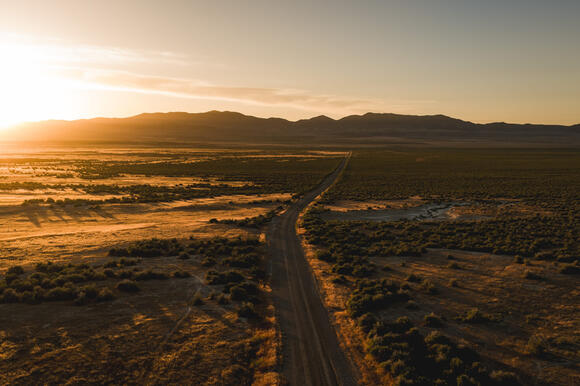
The sun rises over a part of Hansel Valley, in Box Elder County, near the proposed Stratos Project, a massive data center originally planned for 40,000 acres of land but later downsized to 20,000 acres, on Thursday, May 28, 2026. (Photo by Spenser Heaps for Utah News Dispatch)
Utah lawmakers facing intense outcry over data centers gave a first glimpse Wednesday of a wide-ranging plan to rein in development of the projects throughout the state.
Part of the goal is avoiding a repeat of recent history.
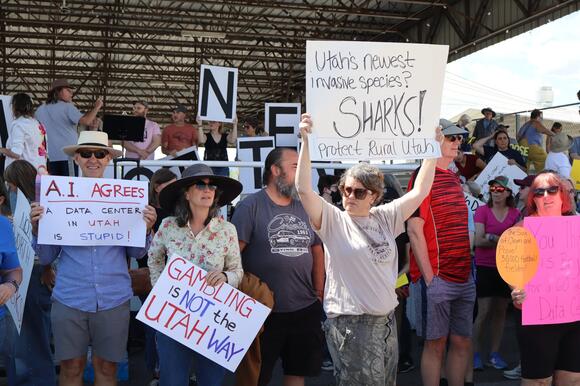
The massive Stratos data center proposal soared into a remote corner of northern Utah over the summer and crashed into a statewide wave of public resentment. It was seen as a driving force behind a stunning primary election loss for a top state lawmaker who supported the project, Senate President Stuart Adams.
SUBSCRIBE: GET THE MORNING HEADLINES DELIVERED TO YOUR INBOX.
Outcry over data centers has also been seen as a key contributor to a blue wave election that made landfall in Utah, doubling Democrats’ membership in the Utah House and shattering that chamber’s Republican supermajority for the first time in more than three decades.
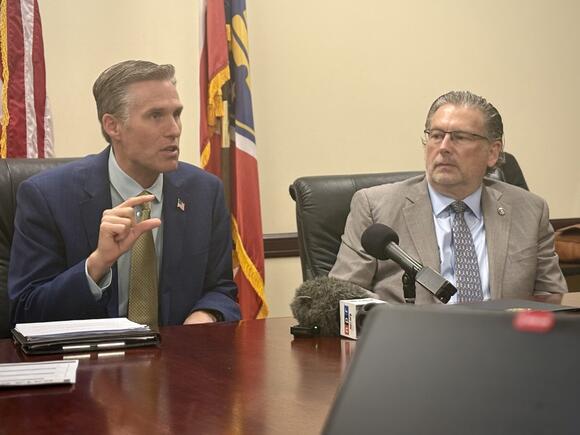
“It’s very clear we have to improve the process,” Rep. Paul Cutler told reporters Wednesday at the state Capitol.
Cutler, a Republican from Centerville, said he’s sponsoring a proposal to prohibit “sweetheart” tax deals for the projects, force proposals into the open early on and put control in the hands of communities, not state authorities. Also off the table under his plan are any nondisclosure agreements for public officials.
The details of the plan are still coming together, but the idea is to make the process more transparent and put issues of water quality and air pollution at the fore, Cutler said.
Last year, Utah’s Military Installation Development Authority (MIDA) worked with celebrity investor Kevin O’Leary on the Stratos project and gave the proposal its first round of government approval in Utah.
Under Cutler’s yet-to-be drafted bill, an entity like MIDA couldn’t propose a data center. Only local land use authorities — counties, cities or towns — could do that, Cutler told members of the Economic Development and Workforce Services Interim Committee on Wednesday.
At the local level, Box Elder County commissioners who approved the Stratos project have said MIDA didn’t need their support to pursue it. That would also change under Cutler’s proposal.
During Wednesday’s committee hearing, Rep. Jim Dunnigan, R-Taylorsville, asked about MIDA and whether it would have “super authority” under the changes.
Cutler said entities like MIDA or the Utah Inland Port Authority could provide expertise and support, but the proposal must be endorsed by a local community, “so MIDA can’t override those.”
A spokesperson for MIDA didn’t directly comment on the components of the plan but said “as a political subdivision of and independent entity in the state of Utah, we follow the general policy guidelines and specific statutory requirements provided by the legislature.”
Through reduced tax incentives, Cutler said his plan would route additional money to the surrounding community, water improvement projects and environmental mitigation.
There’s no bill filed yet and no draft to share as he and Sen. Chris Wilson, the Senate’s newly-elected majority leader and the bill’s floor sponsor, discuss their ideas with counties, cities, the governor’s office and others. The two lawmakers said they were assigned by House and Senate leaders to take on the issue.
Cutler said public outrage has “given us a lot more leverage over some of the industry partners.” But he said the plan to come up with new policies for big industrial projects predates the Stratos controversy.
He said he’s been clear with operators of hyperscale data centers that many tax incentives are going away. But he believes the effect will be that Utah only gets the sorts of development it really wants.
“What we’re trying to do is separate the best projects — those with financial stability, those who are committed to environmental protections — from somebody who’s just trying to quickly, you know, do a development deal and flip a project to make money,” Cutler said.
Rep. David Shallenberger, R-Orem, emphasized that the proposal is not a moratorium on the industry in Utah but rather, “we’re working with them to have these projects be successful and positive contributors into these local communities and the greater Utah economy.”
Rep.-elect Kim James, D-Ogden, said after the hearing that while the bill sets a new process for evaluating data center proposals, she wants to have a different conversation.
“Must we have them in Utah, where the lake is such a precious resource, where air quality is really terrible?” James said.
The committee did not take any action or public comment on the proposal Wednesday. Lawmakers plan to take it up again during the 2027 legislative session, which convenes in January.
 Add to Preferred Sources