undefined
Posts
undefined
Followers
29 River Towns With Walkable Historic Main Streets
By Carina Caringal,
4 days agoRivers made American towns before highways ever did. Steamboats, ferries, mills and railroads drew merchants to the water, and the brick storefronts they built are often still standing a block or two from the bank.
These towns kept their main streets intact and compact enough to cover on foot. Park once, explore the historic blocks, and follow the streets toward the water to see how the layout explains itself.
Galena, Illinois: Lead-Mining Wealth Along the Galena River
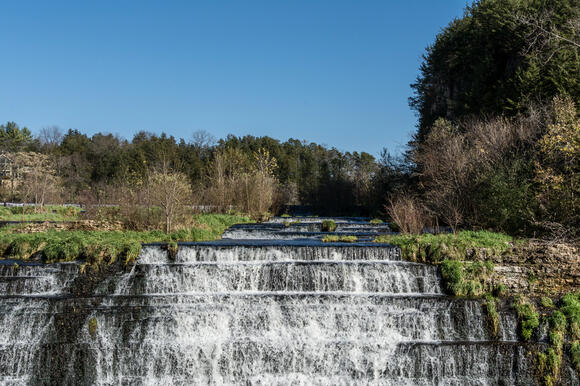
Galena took its name from the lead ore that made the region rich, and the fortunes of that boom built the brick commercial blocks lining Main Street. The street still climbs a hillside above the Galena River in tight rows of nineteenth-century storefronts.
Ulysses S. Grant worked in his family’s leather goods store here before the Civil War.
Today, the shops include antiques stores, bakeries and galleries, all within a short stroll of one another.
Stillwater, Minnesota: A Lift Bridge Over the St. Croix
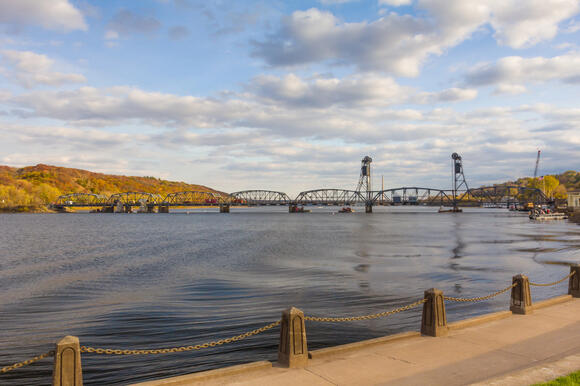
Stillwater is known as the Birthplace of Minnesota, a nod to its role in the push toward statehood. Its Main Street runs parallel to the St.
Croix River, with sandstone and brick buildings facing a riverfront park. The vertical lift bridge across the St.
Croix remains the town’s best-known landmark. A walk along the street passes bookshops, taverns and antique stores without a single big-box sign.
Red Wing, Minnesota: Bluffs, Boots and a Riverside Hotel
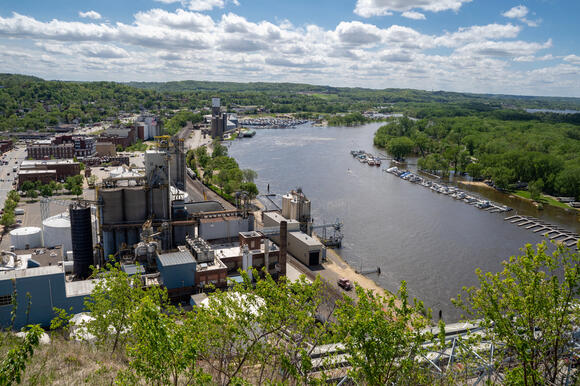
Red Wing sits on the Mississippi River beneath Barn Bluff, and its downtown grid follows the shoreline. The St.
James Hotel, established in 1875, remains a landmark in the downtown area near the riverfront. The town is also home to Red Wing Shoes and a long stoneware pottery tradition that shaped the local economy.
Few downtowns put a bluff trail and a century-old hotel this close together.
Hermann, Missouri: A German Settlement on the Missouri River
Hermann was founded by German settlers who hoped to build a new home that preserved German culture. The historic blocks above the Missouri River are filled with steep-roofed brick houses, and Deutschheim State Historic Site preserves the story of that heritage.
Vineyards on the surrounding hills helped make the town a wine destination. Walking its brick-lined streets feels closer to the Rhine than the Ozarks.
Ste. Genevieve, Missouri: French Colonial Houses Near the Mississippi
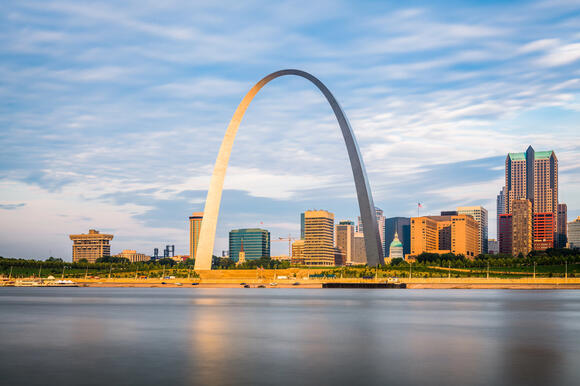
Ste. Genevieve is recognized as Missouri’s oldest permanent European settlement, and it keeps one of the country’s rare clusters of French colonial buildings.
Ste. Genevieve National Historical Park interprets this French colonial heritage.
Much of the historic district can be covered in a single unhurried walk. The pace here feels closer to a village in old Louisiana than to a typical Midwestern county seat.
Madison, Indiana: A National Historic Landmark on the Ohio River
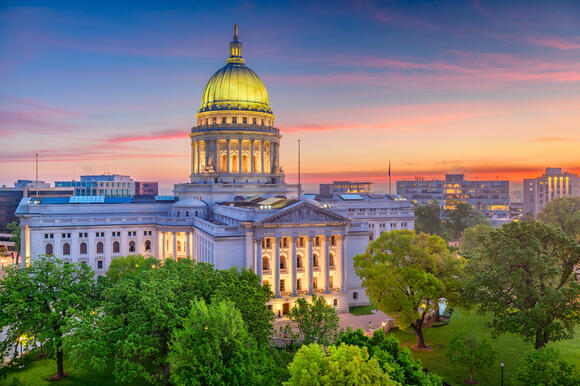
Madison’s historic district is a National Historic Landmark, and its Main Street slopes gently toward the Ohio River in a long run of nineteenth-century commercial buildings. Rail and river trade made the town prosperous before larger cities overtook it, helping preserve much of its architecture.
The Lanier Mansion, a Greek Revival house, sits a short walk from the river. The pace is slow enough that a morning easily disappears.
Maysville, Kentucky: Floodwall Murals Beside the Ohio
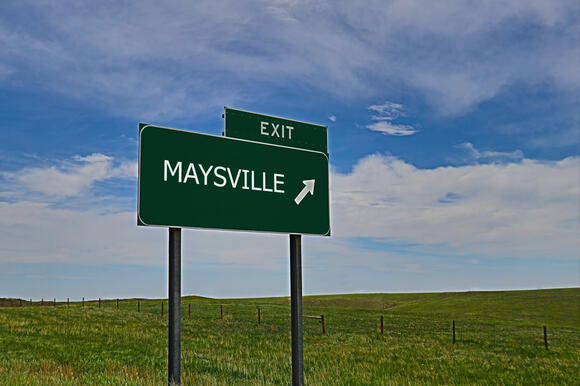
Maysville sits on the Ohio River, and its floodwall carries a series of murals depicting the town’s history. The downtown streets above run through Victorian storefronts and church spires in a compact, walkable grid.
Singer Rosemary Clooney grew up here, and her former house is now a museum. Having the river kept at bay by a painted wall gives the waterfront an unusual gallery feel.
Marietta, Ohio: Where the Muskingum Meets the Ohio
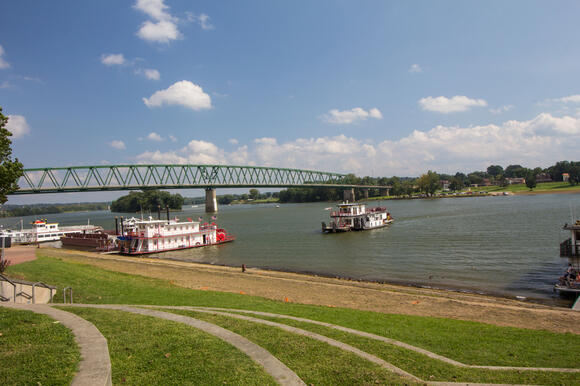
Marietta was founded in 1788 and is considered the first permanent settlement of the Northwest Territory. It sits at the junction of the Muskingum and Ohio rivers, and the compact downtown holds brick storefronts within sight of the water.
The Campus Martius Museum preserves the story of those first settlers. Few places can claim a founding so firmly tied to the water.
Natchez, Mississippi: A Bluff Town Above the Mississippi
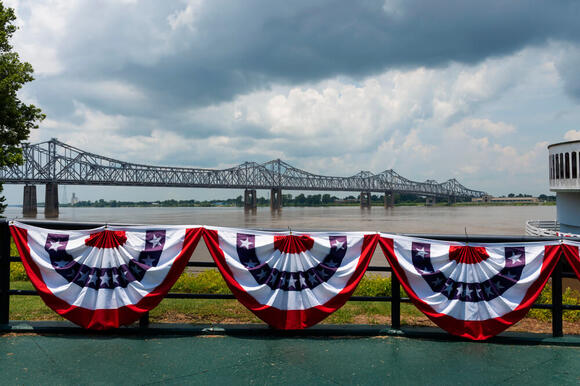
Natchez perches on a high bluff over the Mississippi River, and the Natchez Bluffs and Under-the-Hill Historic District descends from the main downtown streets to a lower strip along the water. Downtown is a grid of nineteenth-century commercial buildings within walking distance of the bluff overlook.
The city also marks the southern end of the Natchez Trace Parkway, a route that follows an old path through the region. The walk between the upper town and the landing offers widening views of the river.
Harpers Ferry, West Virginia: Stone Steps at the Confluence
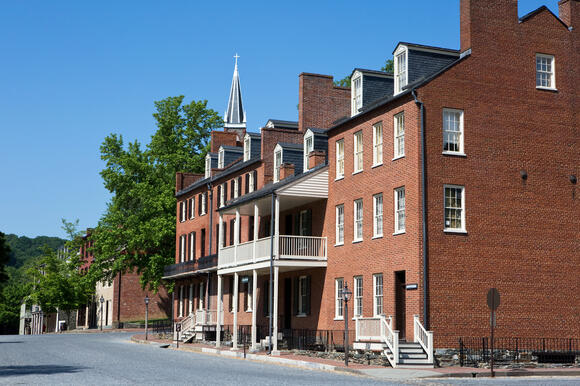
Harpers Ferry sits where the Shenandoah River flows into the Potomac, and its Lower Town is preserved as part of Harpers Ferry National Historical Park. Steep stone steps connect the lower streets to the hillside buildings above.
In 1859, abolitionist John Brown seized the federal armory here, and the historic building known as John Brown’s Fort commemorates the site of his final stand. Walking the lanes means covering more history per block than almost anywhere else on this list.
Shepherdstown, West Virginia: German Street on the Potomac
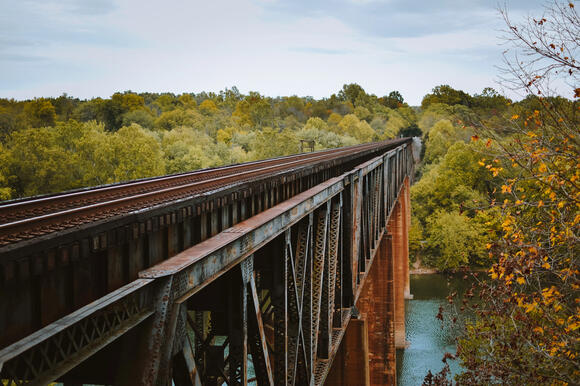
Shepherdstown sits on a bluff above the Potomac River, and German Street forms the spine of its historic district. Inventor James Rumsey, an early steamboat pioneer, is remembered here for his work on the river.
Stone and brick buildings line the main blocks, many housing cafes and bookshops. A short walk leads from the street grid to the riverbank.
Fredericksburg, Virginia: A Fall Line Town on the Rappahannock
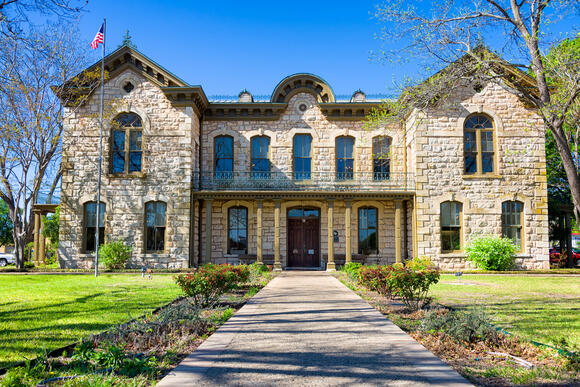
Fredericksburg developed at the fall line of the Rappahannock River, where ships could go no farther and cargo had to change hands. Caroline Street forms the center of the historic downtown, lined with colonial and nineteenth-century buildings.
The Hugh Mercer Apothecary Shop preserves the practice of eighteenth-century medicine. Civil War history is everywhere, and the town sits in the middle of that story.
New Hope, Pennsylvania: Artists and a Gristmill Theater on the Delaware
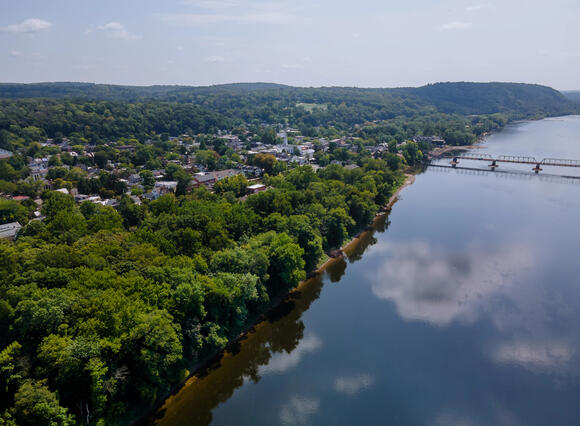
New Hope sits on the Delaware River in Bucks County, and its walkable Main Street is packed with galleries, cafes and shops. The Bucks County Playhouse operates in a former gristmill and has long drawn theatergoers from the region.
A bridge across the river connects the town to Lambertville, New Jersey, and crossing it on foot is easy. The town has attracted artists for generations, and the storefronts still show it.
Lambertville, New Jersey: Antiques and a Shad Festival
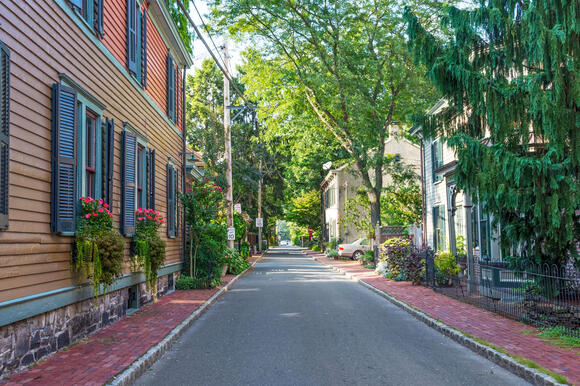
Lambertville sits on the Delaware River directly across from New Hope, and its historic district is anchored by brick row houses and shops. The town holds an annual shad festival that honors the fish that once ran thick in the river each spring.
Antique stores and restaurants fill the main blocks. The towpath of the Delaware and Raritan Canal runs through town, so walkers can add a flat stretch to their route.
Jim Thorpe, Pennsylvania: A Mountain Town on the Lehigh River
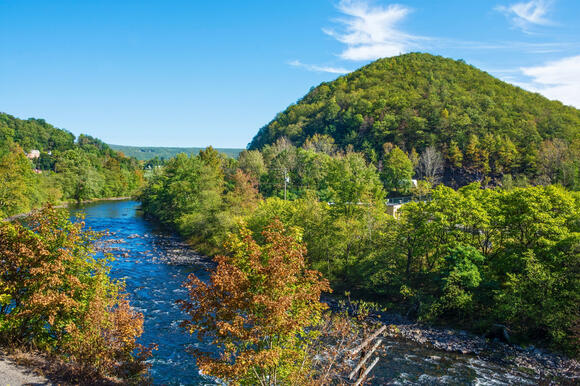
Jim Thorpe was known as Mauch Chunk until it was renamed for the Olympic athlete who is buried in the town. The historic district rises in steep tiers above the Lehigh River, with Victorian buildings stacked up the slope.
Its hillside setting makes the walk more of a climb than a stroll. The reward is a view over the rooftops and the river gorge beyond.
Hudson, New York: Warren Street and a Seafaring Past
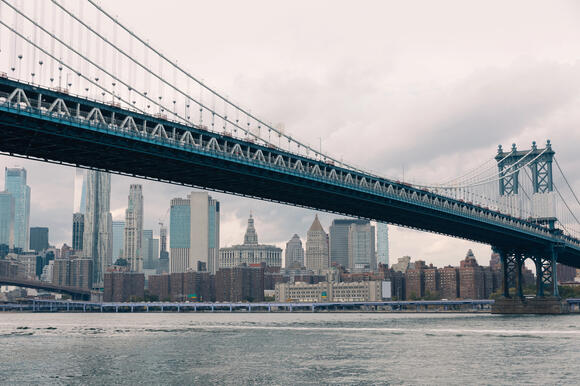
Hudson was founded as a deepwater port on the Hudson River by seafaring New England merchants. Its shipping past gave the town a long, straight Warren Street running uphill from the river.
The street is now lined with antiques dealers, galleries and restaurants in restored brick buildings. Walking from the waterfront to the top of Warren Street shows the commercial history of the place in one line.
Cold Spring, New York: A Hudson Highlands Main Street That Ends at the Water
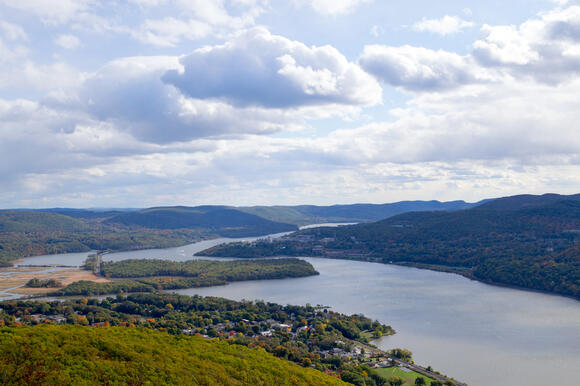
Cold Spring’s Main Street slopes down from the hills toward the Hudson River and ends near the train station and a small riverfront park. The West Point Foundry Preserve, in Cold Spring, produced Parrott rifles that were used during the Civil War.
The street is packed with antique shops, cafes and restored nineteenth-century storefronts. A commuter train can drop visitors near the foot of Main Street, making it among the easiest of these towns to reach without a car.
Bath, Maine: The City of Ships

Bath sits on the Kennebec River and has built ships for centuries, earning the nickname City of Ships. Bath Iron Works, still operating on the waterfront, is one of the best-known shipyards in the country.
The downtown commercial blocks run close to the river and are lined with brick storefronts from the shipbuilding boom. A short walk from the shops leads to the Maine Maritime Museum.
Wiscasset, Maine: A Sheepscot River Village With a Famous Lobster Shack
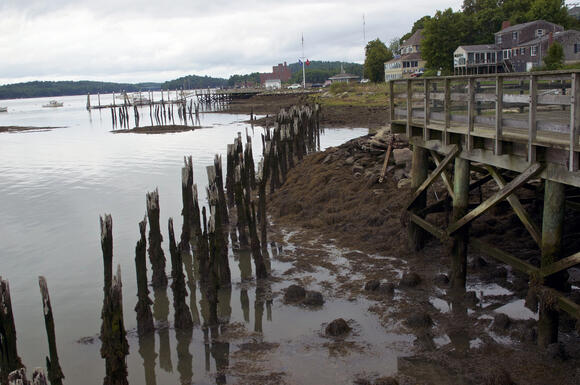
Wiscasset sits on the Sheepscot River, and its Main Street slopes toward the waterfront through a cluster of stately old houses. The town was once a busy port, and the harbor still shapes the village.
Red’s Eats, a roadside lobster roll stand beside the bridge, draws long lines in summer. The compact village can be covered in an hour, with time left over to wait for a lobster roll.
Brattleboro, Vermont: Main Street Above the Connecticut River
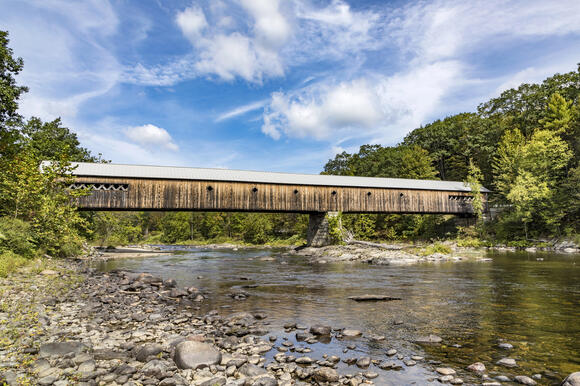
Brattleboro stretches along the Connecticut River, and its brick Main Street climbs a hill from the waterfront. Writer Rudyard Kipling lived nearby in Dummerston and wrote parts of The Jungle Book while in Vermont.
His house, Naulakha, still stands in Dummerston. Today, downtown Brattleboro mixes bookstores, galleries and cafes in a tight core.
Woodstock, Vermont: A Village Green and a Covered Bridge
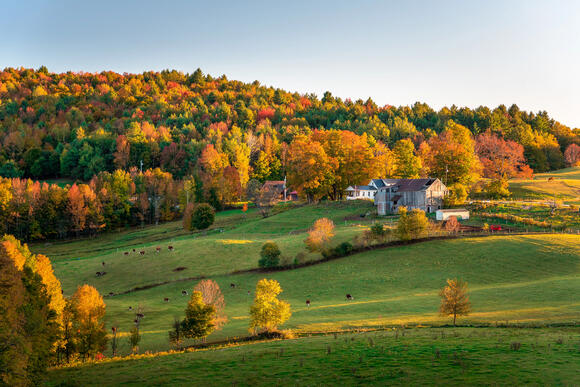
Woodstock sits along the Ottauquechee River, and its village green is ringed by Federal and Greek Revival houses. The Middle Covered Bridge crosses the river within walking distance of the green.
Billings Farm & Museum lies just beyond the village. The entire place is small enough to cross on foot in minutes, and it rewards slow walkers.
Wilmington, North Carolina: A Riverwalk on the Cape Fear
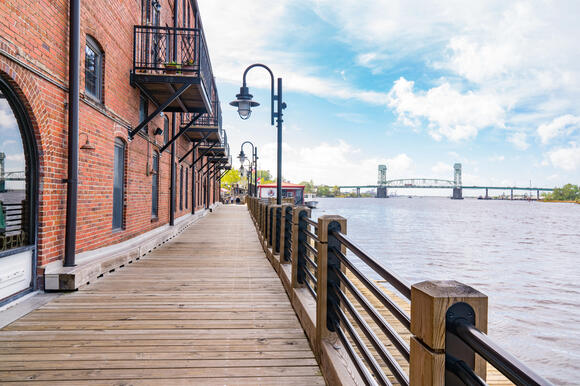
Wilmington runs along the Cape Fear River, and its downtown Riverwalk follows the shoreline. Behind the waterfront, a grid of historic blocks holds restored warehouses, cafes and shops.
The Battleship North Carolina, a World War II warship, is moored across the river and can be seen from parts of the Riverwalk. The old downtown’s compact scale lets visitors cover both the commercial district and the water in one loop.
Apalachicola, Florida: Oysters and an Ice Machine on the Apalachicola River
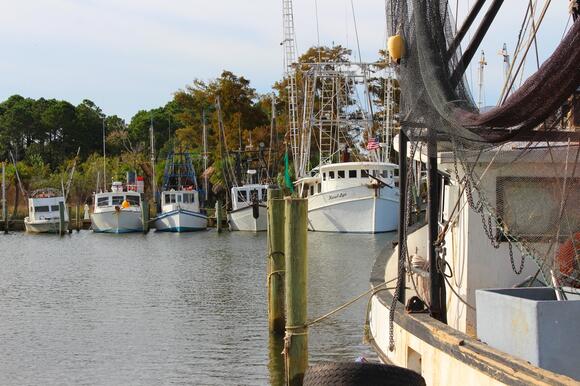
Apalachicola sits on the Apalachicola River near its outlet into Apalachicola Bay, and its historic downtown is built around brick warehouses from the town’s early port days. Physician John Gorrie developed an early mechanical ice-making machine here while trying to cool fever patients, and a state museum bears his name.
The Gibson Inn anchors a corner of the downtown area. Oyster houses along the water complete a walkable, low-slung town.
Salida, Colorado: Whitewater at the End of the Street
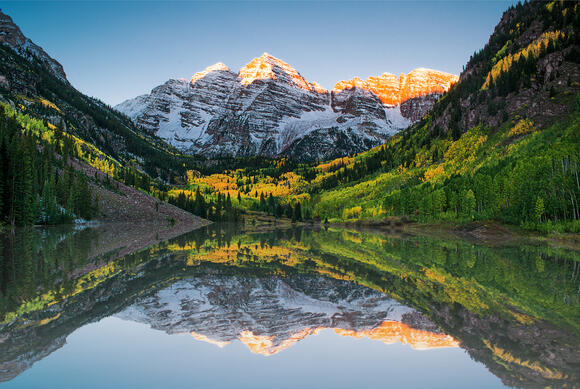
Salida’s downtown sits along the Arkansas River, and its historic district is a tight grid of brick buildings near the water. A whitewater park in the middle of town gives kayakers a course within sight of the shops.
The Rocky Mountain peaks rise just beyond the streets. Few mountain towns put a working river this close to a main street.
Durango, Colorado: Main Avenue and the Narrow Gauge
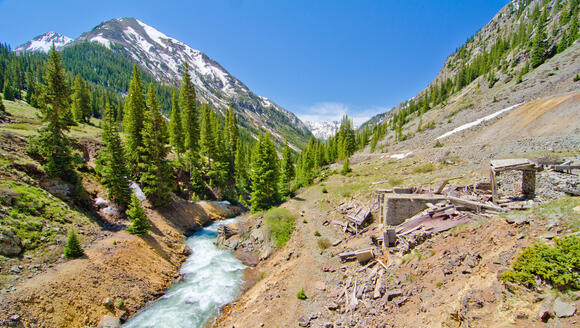
Durango sits on the Animas River, and Main Avenue is lined with Victorian buildings from the town’s mining and railroad days. The Strater Hotel anchors the street with its red brick facade.
The Durango & Silverton Narrow Gauge Railroad still departs from the depot near downtown. A riverside trail runs along the Animas, only a few blocks from the shops.
Truckee, California: Commercial Row Beside the Truckee River
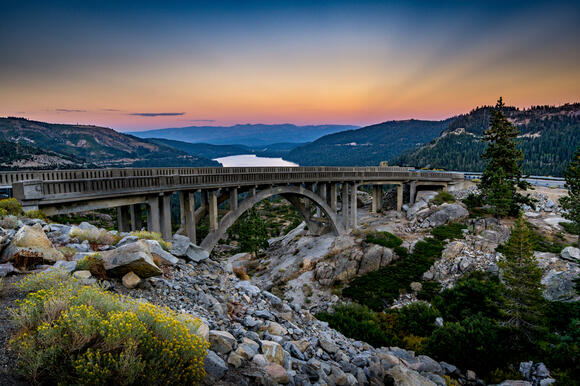
Truckee grew up around the transcontinental railroad, and its Commercial Row of false-front storefronts anchors the historic downtown. The Old Jail, now a museum, recalls the town’s frontier years.
Donner Lake and the story of the stranded Donner Party lie a short drive away, but downtown itself holds enough to fill an afternoon. The river runs just beyond the main street.
Snohomish, Washington: Antiques Along the Snohomish River
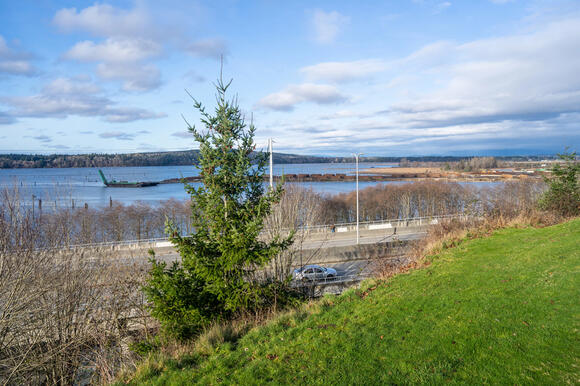
Snohomish sits on the Snohomish River north of Seattle, and its historic downtown is lined with nineteenth-century brick storefronts converted to antique shops. The downtown core has remained compact, with cafes and shops in a flat, walkable grid.
The town’s river heritage dates to the logging and steamboat era. Browsing antiques here is a practical way to cover the entire district.
Bastrop, Texas: Main Street Beside the Colorado River
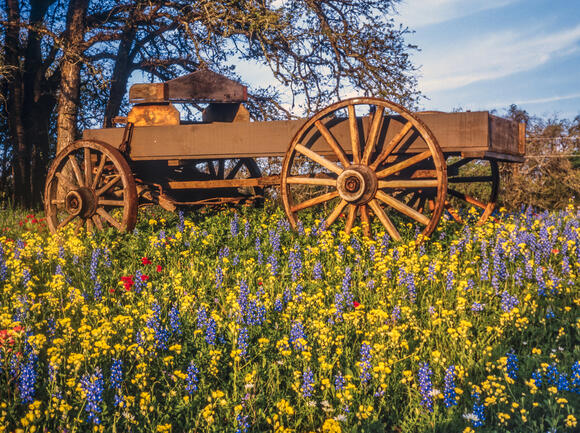
Bastrop sits on the Colorado River in the Lost Pines region of central Texas, and Main Street is lined with historic limestone and brick storefronts. The town’s historic homes and downtown buildings make a pleasant loop on foot.
Pine forest surrounds the town, a rarity in this part of the state. The riverfront is a short walk from the shops.
Georgetown, Texas: A Courthouse Square Between Two Forks
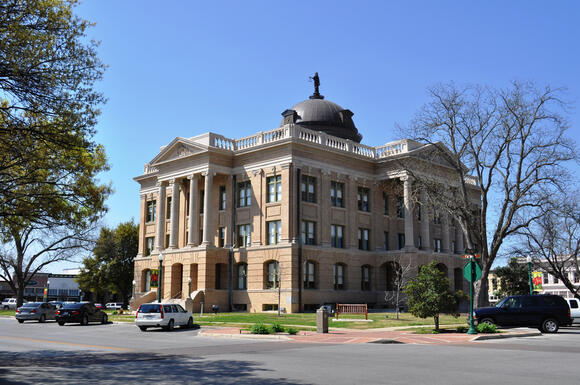
Georgetown sits where the north and south forks of the San Gabriel River meet, and its downtown revolves around a Victorian courthouse square. The Williamson County Courthouse stands in the middle, surrounded by restored commercial buildings that hold shops and restaurants.
A riverside park lies a short walk from the square. The town’s Red Poppy Festival fills the streets every spring.
What the Water Left Behind
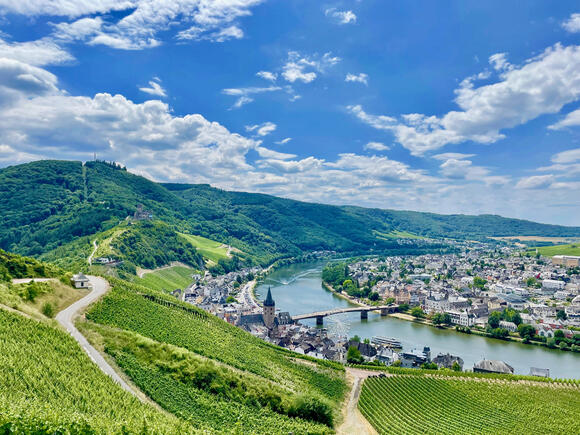
Each of these towns owes its walkable core to the river that built it. Before cars, merchants set up near docks and ferries, so the blocks were short and everything sat within a few minutes’ walk.
When highways moved commerce elsewhere, many of these places were bypassed, and that helped preserve their buildings.
Walking the main street of a river town is a way of reading why the place exists. The water explains the layout, the brick explains the money, and the slow pace explains why people stayed.
Anywhere with a river and a main street is worth a morning on foot.
More from Travel Pug

- Underrated Italian Towns That Beat the Tourist Crowds
- Las Vegas Tourist Traps to Skip
- Prettiest Towns in Every US State
- 18 passport-free countries for Americans
- Signs Your Cruise Is Not Worth The Cost
Like Travel Pug’s content? Follow us on MSN.
 Add to Preferred Sources
