undefined
Posts
undefined
Followers
College Towns With Free Classes for Seniors
By Carina Caringal,
15 days agoRetirement is supposed to be the part where the homework ends. In a surprising number of college towns, it is the part where the homework gets interesting, because state laws and university policies let older residents sit in public university classrooms without paying tuition, provided they meet eligibility requirements.
The rules vary by state, and the fine print matters: most programs run on a space-available basis, and many cover tuition but not every fee. Some allow auditing only, while others permit degree-seeking students to enroll.
The payoff is a seat beside twenty-year-olds, taught by working scholars, in towns where the campus is also the best place to spend a Tuesday.
Athens, Georgia

The University of Georgia runs a dedicated 62+ program through its registrar, built on a state policy that lets Georgia residents age 62 and older take classes without paying tuition and mandatory fees when space is available. UGA was chartered in 1785, making it the oldest state-chartered university in the country, and some of its classrooms are older than the programs designed to fill them.
Applicants must meet the university’s admission requirements and pay any applicable application fee. Seats are granted as room allows, so popular lecture courses can be harder to land than obscure seminars.
Dahlonega, Georgia
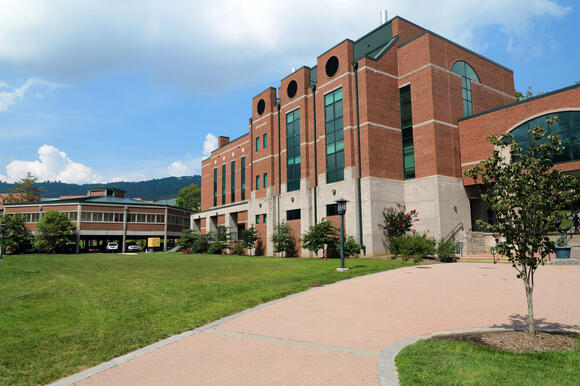
The University of North Georgia maintains a page for students 62 and older, tying into the same statewide waiver. Eligible Georgia residents must meet the university’s admission requirements; books, supplies, and laboratory fees remain their responsibility.
Dahlonega is the site of the 1828 to 1829 gold rush that predated California’s by two decades, and the university grew out of a school established here in the 1870s. Learners can pair a history or geology class with a walk past the gold-leaf dome of the old courthouse downtown.
Valdosta, Georgia

Valdosta State University publishes a document of requirements for its 62-plus waiver, spelling out how older Georgians register. Applicants must be Georgia residents, at least 62, and meet admission requirements. Enrollment is space-available, and extra costs such as laboratory or material fees may apply.
The city is nicknamed the Azalea City, and spring semester there arrives with color that no syllabus can compete with. The waiver requires an admission process, rather than simply a short form, which is worth checking before planning a semester.
Charlottesville, Virginia
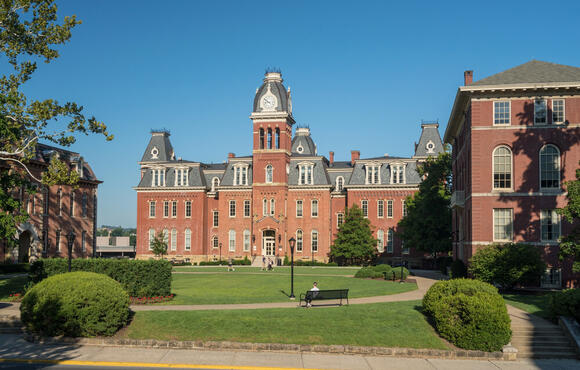
The University of Virginia administers Virginia’s senior citizen tuition waiver, which extends to residents 60 and older who meet eligibility rules. For-credit courses are tuition-free for eligible seniors whose preceding-year taxable income falls below the state threshold; auditing is available regardless of income.
The campus was designed by Thomas Jefferson, and its Academical Village is a UNESCO World Heritage Site, so a class here comes with architecture that most tour groups pay to see. UVA’s financial services office publishes the application steps for older learners.
Blacksburg, Virginia
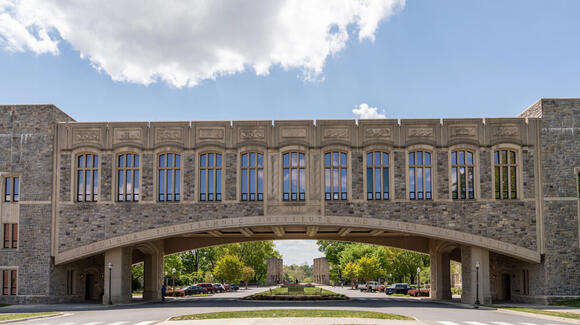
Virginia Tech participates in the same Virginia program for older residents, and its non-degree admissions guidance publishes steps for applying. Campus buildings are faced in Hokie Stone, a locally quarried limestone that gives the Drillfield a look closer to a Gothic monastery than a land-grant engineering school.
Auditing is available without an income limit, while taking credit courses is subject to the state’s taxable-income threshold. Auditing means attending without exams or credit, a bargain for anyone who wants the reading list and none of the grading.
Chapel Hill, North Carolina
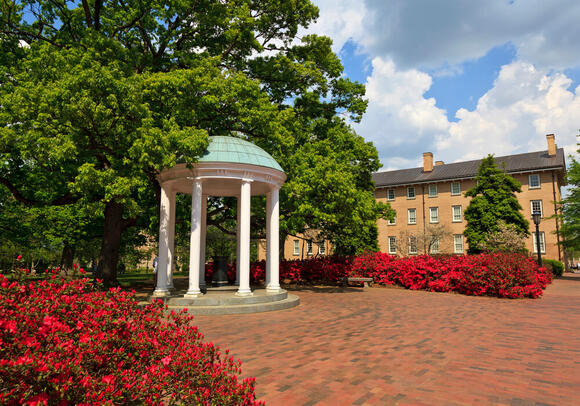
The University of North Carolina at Chapel Hill allows North Carolina residents age 65 and older to audit courses tuition-free on a space-available basis, subject to university policy. UNC claims the title of the first public university in the country to open its doors, in 1795.
The benefit is for auditing rather than general tuition-free degree enrollment, and course approval and restrictions apply. The policy sits in the registrar’s rulebook alongside the rest of campus procedure, so the process is plain and the eligibility terms are written down.
Boone, North Carolina

Appalachian State University lists a senior citizen tuition waiver on its registrar site. The program is for North Carolina residents age 65 and older who audit eligible lecture courses on a space-available basis.
Applicants must complete the required application and course-audit steps; books and course-related fees may still cost extra. Boone sits at more than 3,000 feet in elevation, which makes it one of the highest college towns in the eastern United States and a place where early snow is possible.
A fall semester here pairs a tuition-free audit with some of the best leaf color in the Blue Ridge.
Columbia, South Carolina

The University of South Carolina maintains a senior citizens page and a tuition waiver guide, drawing on a South Carolina regulation for residents age 60 and older. The university’s historic Horseshoe dates to 1801 and is lined with oak trees older than most of the buildings.
Residents must have lived in South Carolina for at least 12 months and be admitted to the university. The tuition waiver is space-available, and technology, laboratory, matriculation, and program fees are not exempt. Students taking the waiver navigate a written guide that walks through each step before the semester begins.
Gainesville, Florida

The University of Florida publishes an audit form for Florida residents 60 and older, part of a state fee waiver policy that also appears at other Florida universities. Eligible residents may audit courses without paying tuition or application fees, subject to space availability and university requirements.
Gatorade was invented here in 1965 by UF researchers, a fact that follows the campus around the way a mascot does. Auditors attend without credit, so the pressure is limited to keeping up with the reading.
Lexington, Kentucky

The University of Kentucky is part of Kentucky’s senior tuition waiver, which applies to state residents age 65 and older admitted to a state-supported institution. The waiver may be denied if classes are full or free admission would require additional instructional resources.
Lexington calls itself the Horse Capital of the World, and the surrounding bluegrass farms make for an unusually scenic commute to class. The state program has been in place for decades, making it an established route for older residents to return to school.
Kent, Ohio
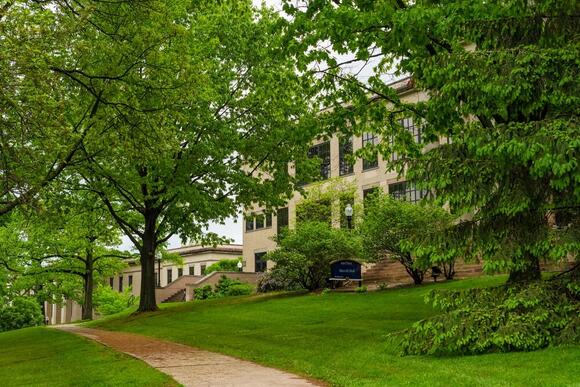
Kent State University runs a Senior Guest Program that lets older Ohioans audit classes, and the offering extends to regional campuses in places such as Ashtabula, Tuscarawas, and Columbiana. The program is for Ohio residents age 60 or older and requires university approval; participation is tuition-free on a space-available basis.
Senior guests do not receive grades or credit and may be responsible for course fees, books, and other costs. The main campus is internationally known as the site of the May 4, 1970, shootings, now commemorated with a dedicated visitors center. Auditing a history or political science course here carries unusual weight for anyone who lived through that era.
Bowling Green, Ohio
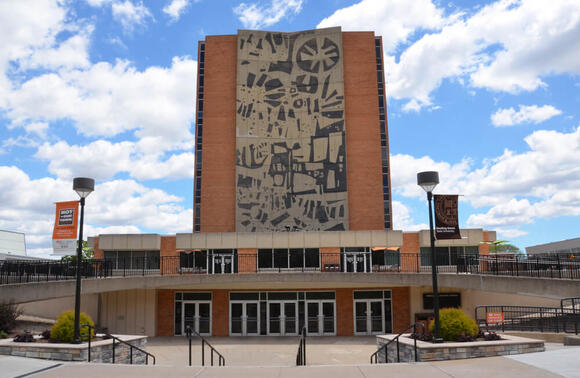
Bowling Green State University offers the Senior Adult Grants for Education program, known as SAGE. The acronym is fitting, since the program is aimed at older adult learners. Eligible Ohio residents age 60 or older who have lived in the state for at least 12 months may request to audit select undergraduate courses.
Participation depends on available space and instructor approval, and students do not receive grades or academic credit. The program is administered through the university’s office for nontraditional students, a good sign that older learners are treated as a regular part of campus life.
Newark, Delaware
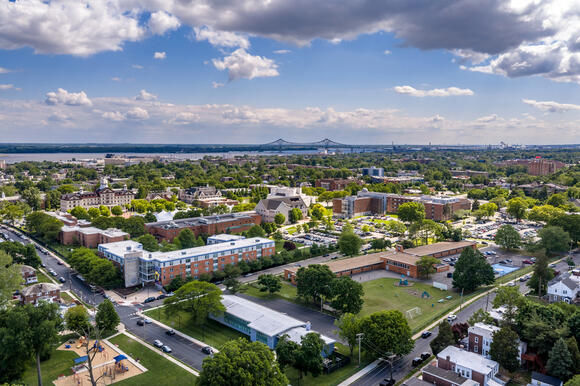
The University of Delaware allows Delaware residents 60 and older to complete an undergraduate or graduate program tuition-free, a step beyond simply auditing a lecture. The details are published by the university’s professional and continuing studies arm, which handles adult enrollment.
Students must apply and be admitted to a degree program; tuition and mandatory fees are waived, but course-related fees, textbooks, supplies, housing, and dining costs are not necessarily covered. A degree earned at this stage is a rare case of a diploma pursued purely for the pleasure of it.
Storrs, Connecticut
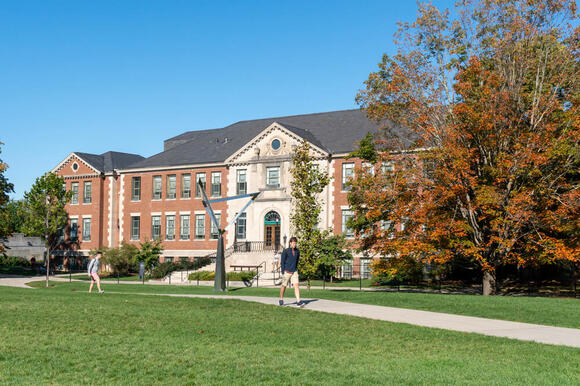
The University of Connecticut publishes FAQs on its Over 62 Tuition Waiver, grounded in Connecticut General Statutes. Connecticut residents age 62 and older who meet admission requirements may qualify. Those enrolled in a degree program are eligible under the waiver, while non-degree students may enroll tuition-free only if space remains after regular registration.
Storrs is a village within the town of Mansfield, which means the campus effectively is the town. Other Connecticut state universities, such as Central Connecticut State in New Britain, list similar waivers for students over 62.
Orono, Maine

The University of Maine advises people 65 and older about senior citizen tuition waivers available across the University of Maine System. Maine residents age 65 or older may receive a waiver for undergraduate courses, including tuition and Board-approved mandatory fees, on a space-available basis.
Orono is named for Joseph Orono, a Penobscot chief who lived in the area during the 1700s. The waiver applies at several System campuses, so an older Mainer can shop for the best course at the best location.
Durham, New Hampshire
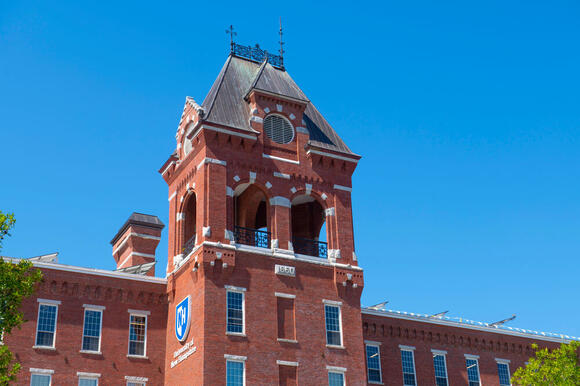
The University of New Hampshire posts a senior citizen waiver form through its business services office. New Hampshire residents age 65 and older who are not enrolled in a degree program may take up to two credit-bearing courses per academic year tuition-free on a space-available basis.
Other fees and attendance costs remain the student’s responsibility. UNH moved to Durham in 1893 from Hanover, where it had been affiliated with Dartmouth College, after a donor left land and money to the state. The form is a one-page document, which fits the town’s general scale.
Missoula, Montana

The University of Montana lists a senior citizen tuition waiver among its financial aid documents, based on a Montana law governing charges for tuition. The Golden College Program is available to Montana residents age 65 and older for undergraduate courses; students must apply each semester, and fees are not waived.
The giant M on the slope of Mount Sentinel is a hike that older students can take between classes. Other Montana public universities may offer similar benefits, but students should check each campus’s specific rules.
Fayetteville, Arkansas
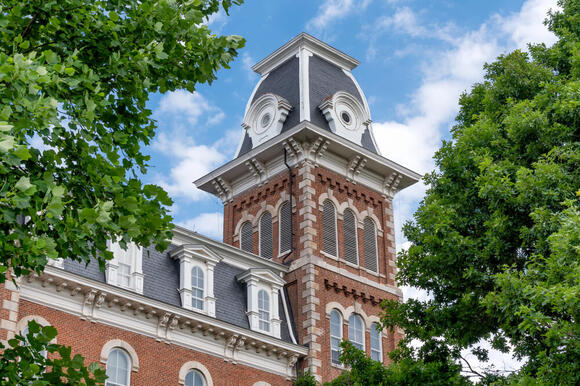
The University of Arkansas has waived tuition for senior citizens, a policy announced repeatedly in campus news over the years and governed by a published university policy. Arkansas residents age 60 and older may enroll in credit courses tuition-free on a space-available basis, subject to admission and registration requirements.
Old Main, the campus landmark, dates to the 1870s and anchors a hillside overlooking the Ozarks. Fayetteville rewards students who attend in the fall, when the hillside turns red and gold.
Starkville, Mississippi
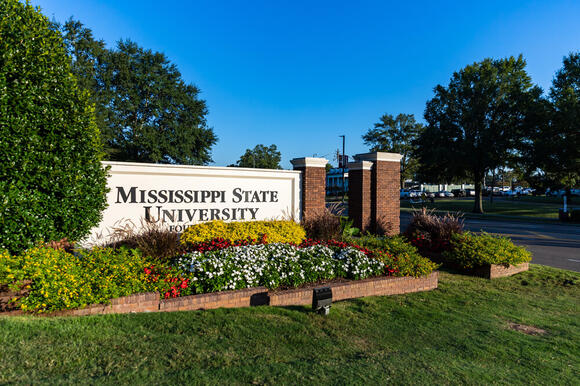
Mississippi State University offers a Senior Citizen Tuition Waiver for Mississippi residents age 60 or older. The program allows enrollment in up to six credit hours per semester, with an annual maximum of 18 credit hours, on a space-available, first-come, first-served basis.
Additional fees may apply, particularly for online courses. The campus is known for the cowbells that fans ring at games, a tradition that has caused its share of rule debates over the years. The program is a rare place where a retiree can attend a lecture and then walk to a stadium that sounds like a pasture.
Maryville, Missouri

Northwest Missouri State University lists a senior citizen fee waiver in its catalog. Missouri residents age 65 and older may qualify for tuition exemption on a space-available basis, though additional fees may remain.
Maryville is a small town that is also home to a campus designated as a state arboretum, which makes the walk between buildings part of the education. Missouri State University in Springfield runs a comparable waiver of its own called MSU62, which is available to qualifying Missouri residents age 62 and older for one audited class each fall and spring semester, subject to space and prerequisites.
The Cheapest Seat in the Lecture Hall
Every one of these programs rests on the same quiet bargain: public universities have empty seats, and states have decided that older residents should fill some of them. The cost to the institution is modest, and the benefit is a campus populated by people who actually did the reading.
The best programs treat older learners as students first and a special category second. Anyone planning a move, a road trip, or a second act in a college town should check the registrar’s current rules before the semester begins, because waivers shift with legislatures and budgets.
Eligibility, registration windows, course restrictions, and additional fees can make the difference between a free class and an unexpected bill. The shelf of options is long, and the price of admission is usually a form.
More from Travel Pug

- Underrated Italian Towns That Beat the Tourist Crowds
- Las Vegas Tourist Traps to Skip
- Prettiest Towns in Every US State
- 18 passport-free countries for Americans
- Signs Your Cruise Is Not Worth The Cost
Like Travel Pug’s content? Follow us on MSN.
 Add to Preferred Sources
