undefined
Posts
undefined
Followers
Hidden Food Capitals Beyond NYC
By adam Garcia,
2026-03-04New York City gets a lot of credit for its food scene — and sure, it’s earned. But the U.S. is a big place, and some of the most exciting eating happens in cities that don’t make the front page of food magazines.
From a Midwestern city with more craft breweries than you can count to a desert town that UNESCO officially declared a City of Gastronomy, America’s culinary map goes way beyond the five boroughs. Here is a list of 16 hidden food capitals that deserve a seat at the table — no reservations required.
Detroit, Michigan
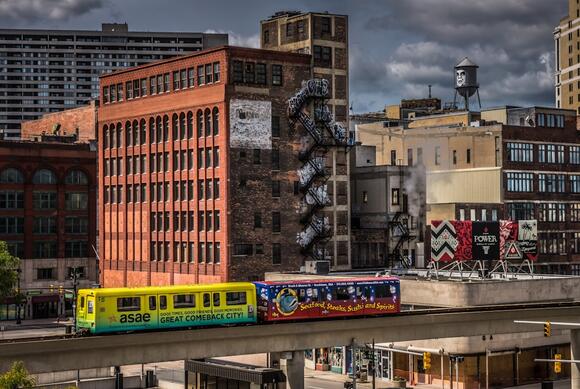
Detroit’s food story is one of reinvention — what once looked like a city in decline has transformed into one of the most creatively charged dining scenes in the Midwest, fueled by young chefs, neighborhood pride, and serious access to fresh local ingredients. Eastern Market, one of the largest historic public markets in the U.S., draws vendors and chefs every Saturday who are committed to farm-fresh everything, and it sets the tone for the whole city.
Corktown has become a hub of Michelin-rated restaurants tucked into repurposed industrial spaces, Detroit-style pizza — thick, square, and crispy-edged — has become a culinary category of its own, and Lafayette Coney Island has been serving coney dogs since 1914 and still draws lines. The city is not pretending to be something it’s not; it’s just cooking really well.
Houston, Texas

Houston doesn’t get nearly enough credit for its food scene, possibly because people are too busy talking about Austin, but it’s genuinely one of the most diverse dining cities in the country, with a restaurant landscape shaped by Vietnamese, West African, Colombian, and Mexican communities, among dozens of others. You can eat pho and bánh mì one afternoon and authentic Colombian arepas the next — all within a few miles of each other — and then stumble onto Da Gama, a Portuguese-Indian restaurant that sounds like a concept and turns out to be a revelation.
Houston rewards curious eaters, and there’s enough variety here to keep you busy for weeks without repeating a cuisine.
Tucson, Arizona

Tucson is not just an underrated food city — it’s technically the oldest food city in the U.S., with the country’s oldest continuously cultivated soil and crops that have been grown for over 4,000 years. Indigenous peoples, Spanish settlers, cowboys, and Chinese immigrants all left their mark on the local cuisine, and in 2015, Tucson became the first U.S. city to receive a UNESCO City of Gastronomy designation — which is not a minor detail.
Local chefs take that legacy seriously, incorporating traditional ingredients like tepary beans, cholla buds, and heritage corn into modern menus, because the farm-to-table movement here isn’t a trend; it’s just how people have always cooked.
Boise, Idaho
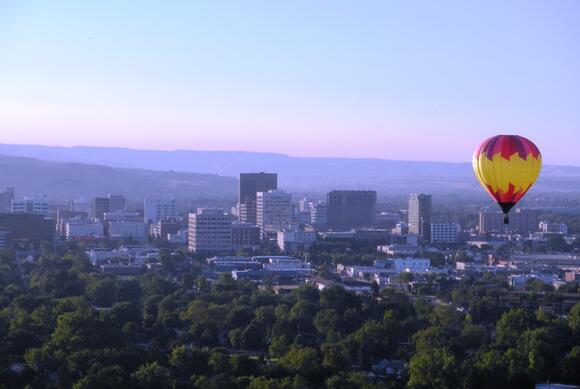
Most people think of potatoes when they think of Idaho, but Boise has a lot more going on — the city is home to one of the largest Basque communities in the United States, a legacy of Basque shepherds who settled in the region in the 19th century, and that community brought its flavors with it. Epi’s Basque Restaurant serves recipes passed down from the owner’s grandmother, Bardenay holds the distinction of being the first restaurant-distillery combination in the U.S., and State & Lemp grew from a pop-up into the city’s premier tasting menu destination.
For a city that’s not usually on food lovers’ radar, Boise keeps delivering.
Buffalo, New York
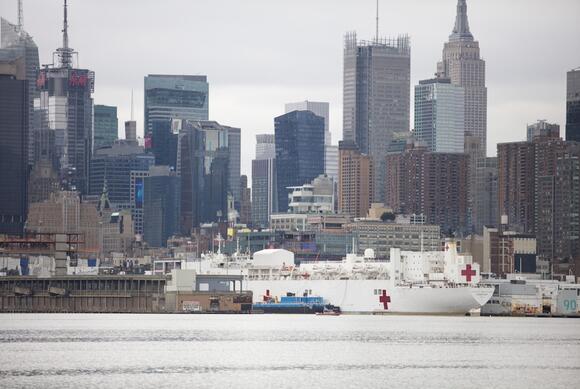
Yes, Buffalo gave the world the Buffalo wing, but reducing this city’s food scene to a bar snack does it a serious disservice — the culinary identity here runs deep and wide, from beef on weck (thin-sliced roast beef on a caraway-seeded roll dipped in au jus) to a distinctive cup-and-char pepperoni pizza style where the pepperoni curls into little crispy cups. Southern Junction has earned two James Beard Award nominations for its barbecue, Las Puertas offers French-Mexican fusion with a rotating tasting menu, and Buffalo even has its own self-guided Ultimate Buffalo Food Trail that lets visitors work through the city’s greatest hits.
It’s the kind of place that’s proud of what it is, and it has every reason to be.
Columbus, Ohio
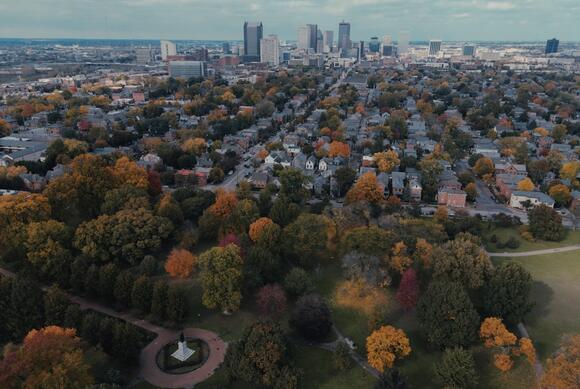
Columbus has quietly become one of the most food-forward cities in the Midwest, with a restaurant scene that covers everything from acclaimed tasting menus to epic breakfast sandwiches and some of the best bagels in the country — Chapman’s Eat Market was named one of the nation’s best new restaurants by The New York Times, and its sister jazz bar, Ginger Rabbit, is the kind of place that makes you want to cancel your flight home. The city also has a self-proclaimed ‘Pizza Trail’ with enough unique spots to fill a whole weekend, plus a rooftop bar scene that gives Chicago a run for its money.
Columbus is not up-and-coming; it’s already arrived.
Indianapolis, Indiana
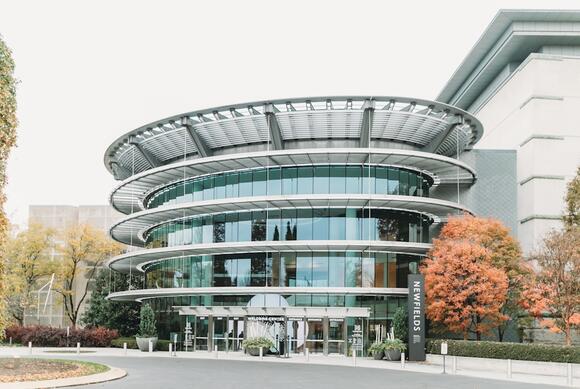
Indianapolis has deep food history and serious current momentum, with St. Elmo Steak House — opened in 1902 — still serving its legendary horseradish-forward shrimp cocktail, and Shapiro’s Deli consistently ranked among the best Jewish delis in the entire country.
The newer wave is just as compelling: Tlaolli has been recognized by the Food Network for its tacos, and the city’s dining industry now employs around 10% of Indiana’s entire workforce, which says a lot about how seriously people here take their food. Indianapolis is not flashy about any of it, which somehow makes it even better.
Birmingham, Alabama
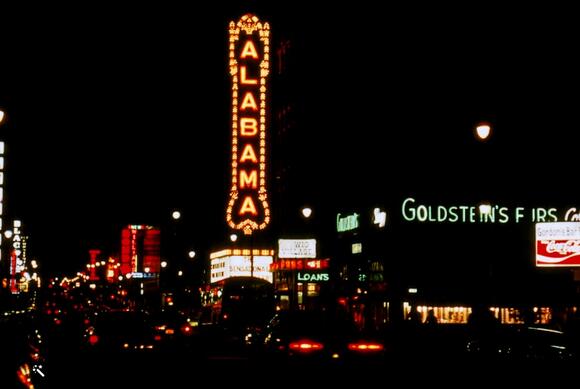
Birmingham has become one of the South’s most exciting food cities, flying under the radar precisely because Nashville and Charleston get all the Southern food headlines — but Birmingham has a farm-to-table culture rooted in Alabama’s rich agricultural land and a generation of chefs who chose to stay and build rather than move to bigger markets. The James Beard Foundation has repeatedly recognized Birmingham chefs, locally sourced seasonal cooking is the standard rather than a selling point, and a meal here that would cost $150 in a comparable Manhattan restaurant might run $50.
That combination of quality and value is increasingly rare, and Birmingham has both.
Louisville, Kentucky
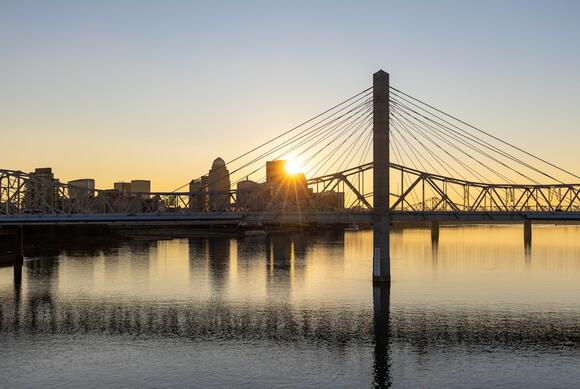
Louisville is best known for bourbon and the Kentucky Derby, but its food scene is far more layered — the city has been a regional food hub since before the Civil War, shaped by German, Irish, and Italian immigrant communities, and that history shows up on the plate in ways that give Louisville a distinct culinary identity that doesn’t borrow from Nashville or Cincinnati. The Urban Bourbon Trail weaves through dozens of restaurants and bars that pair Kentucky’s most famous product with serious cooking, Seviche does a tuna ‘old fashioned’ ceviche with bourbon that sounds strange and tastes excellent, and MilkWood blends Kentucky and Asian flavors in brisket dishes that have earned national attention.
Louisville is the kind of food city that locals guard protectively, and once you eat there, you understand why.
Minneapolis, Minnesota
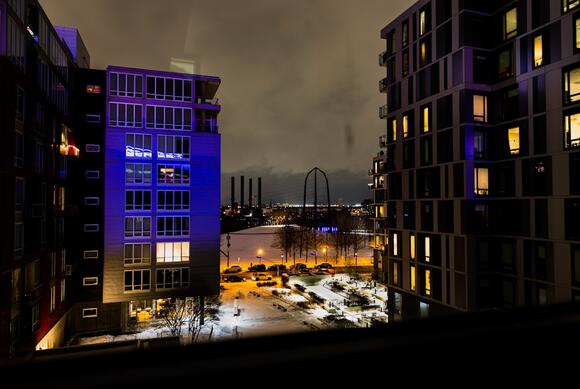
Minneapolis is one of the most underrated food cities in America, and locals know it — the Twin Cities are home to the largest urban Hmong population in the world, a thriving Somali community, and an Argentine dining scene that produces some of the best empanadas in the country, and none of it is watered-down airport-style cuisine. The city also has a serious fine dining tradition, house-brewed sake, and innovative local beers you won’t find anywhere else, and Minnesotans support their food artisans so fiercely that the good stuff rarely gets exported.
That’s how they’ve kept the secret this long.
Denver, Colorado
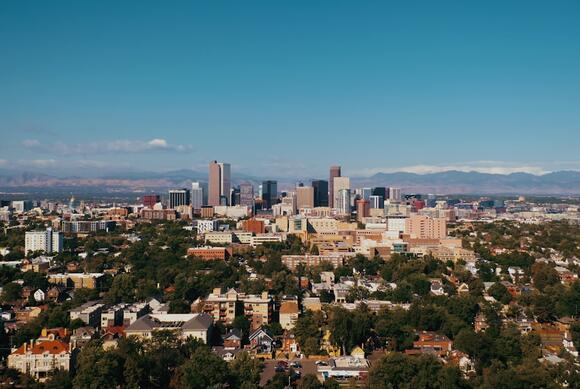
Denver’s food scene tends to get overshadowed by its mountains, which is understandable but unfortunate, because the city has over 150 craft breweries — many of which win international awards — and a dining culture built on local ingredients and regional pride. Bison steak is a genuine staple here, not a novelty, and green chili shows up in everything from eggs to soups to craft beer as the city’s population grows and chefs get increasingly adventurous about blending regional tradition with global influence.
Denver has developed a food identity that belongs entirely to the Rocky Mountain West, and it’s more interesting for it.
Asheville, North Carolina

Asheville is a city of around 90,000 people that punches well above its weight in the food department, with surrounding farms and food producers that supply a tight-knit chef community where quality is the shared standard rather than the exception. The craft brewery scene has made it one of the most recognized beer towns in the country, restaurants change their menus seasonally because the local supply demands it, and that keeps things fresh in every sense.
Asheville is the kind of place where a random Tuesday dinner at a mid-range restaurant turns into a meal you talk about for years.
Portland, Oregon
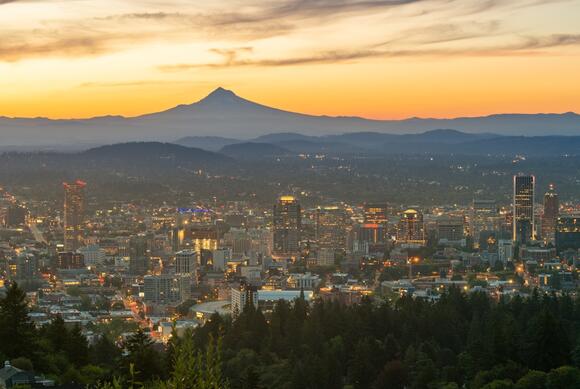
Portland has a reputation as a food city, but it still gets passed over in favor of the coasts’ bigger players — which is a mistake, because the combination of passionate chefs, hyper-local sourcing, and a culture that genuinely rewards creativity produces something special. Michelin-starred restaurants sit comfortably next to food cart pods where excellent Thai and Ethiopian food costs less than a movie ticket, and Portland has hundreds of those carts organized into pods across the city at a consistently high quality that other cities have tried to replicate without quite capturing the same energy.
It grew organically out of a community that cares deeply about what it eats, and every meal reflects that.
Santa Fe, New Mexico
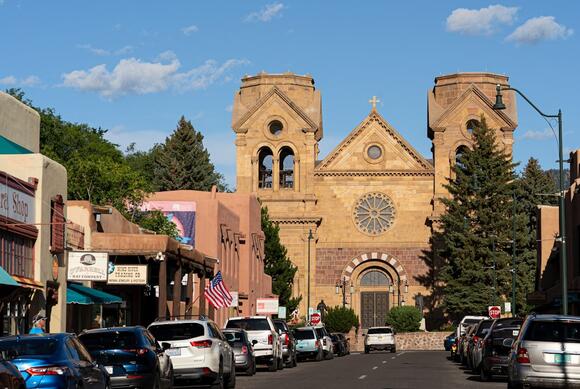
New Mexican cuisine is one of the most distinct regional food traditions in the United States, and Santa Fe is its spiritual home — the debate over red chile versus green chile, or ‘Christmas’ (which means both), is taken as seriously here as any fine dining decision. Hatch green chiles form the backbone of a cuisine that has no real equivalent anywhere else in the country, and places like Radish & Rye blend New American cooking with those deep regional flavors in ways that feel both rooted and inventive.
The downtown area clusters most of the best restaurants within easy walking distance, and the food is as vibrant as the adobe architecture surrounding it.
El Paso, Texas

El Paso sits directly across the Rio Grande from Juárez, Mexico, and that proximity shapes everything about its food scene — the Tex-Mex here is rooted in the culinary traditions of both sides of the border, developed over generations of cultural exchange rather than invented for a menu. L&J Cafe has been serving queso and flautas for nearly a century, and chef Emiliano Marentes earned a James Beard Foundation nod for his hand-pressed tortillas at ELEMI.
The food here carries an authenticity that’s hard to manufacture: regional, layered, and informed by Sonoran traditions that have been evolving longer than most American food trends have existed.
Oklahoma City, Oklahoma
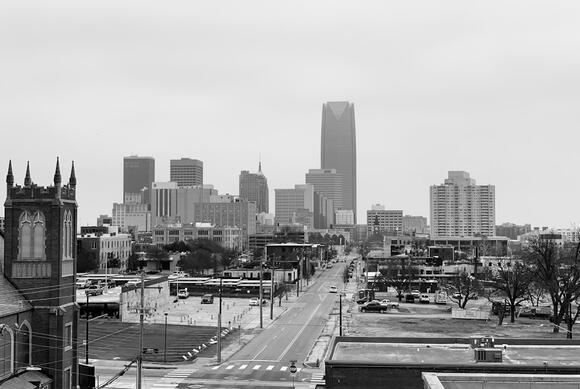
Oklahoma City has come a long way from its days as strictly a chicken-fried steak town — the city grew from a land rush in 1889 and developed a deep relationship with the land, and while that foundation is still visible at Cattlemen’s Steakhouse (open since 1910 and the oldest restaurant in the state), the newer generation of chefs has added serious range on top of it. Stock & Bond is a modern steakhouse that looks like it belongs in Manhattan, and The Jones Assembly has become known for creative takes on comfort food, including chicken-fried carrots that somehow make a vegetable feel indulgent.
Oklahoma City is now the 20th most populous city in the country, and its food scene is growing fast enough to match.
The map is bigger than you think

The cities on this list have one thing in common: they stopped waiting for the national food press to discover them and just got really good at cooking. From Tucson’s UNESCO-recognized heritage to Buffalo’s no-nonsense comfort food pride to Minneapolis’s quietly extraordinary international dining scene, the best meals in America are not always where you expect to find them.
The next time a food trip is on the agenda, it might be worth skipping the usual suspects and eating somewhere that hasn’t been talked to death yet — those are often the places that surprise you most.
More from Travel Pug

- Underrated Italian Towns That Beat the Tourist Crowds
- Las Vegas Tourist Traps to Skip
- Prettiest Towns in Every US State
- 18 passport-free countries for Americans
- Signs Your Cruise Is Not Worth The Cost
Like Travel Pug’s content? Follow us on MSN.
 Add to Preferred Sources
