undefined
Posts
undefined
Followers
18 Smart Tips for Navigating Busy US National Parks
By adam Garcia,
2026-02-25The U.S. national park system broke its own records in 2024, drawing nearly 332 million visits across more than 400 sites. Whether it’s the Great Smoky Mountains pulling 12 million people a year or Zion’s red canyon walls attracting nearly 5 million, the crowds are real — and growing.
But a packed parking lot doesn’t have to mean a ruined trip.
With a little planning, you can sidestep the worst of it and actually enjoy these places the way they were meant to be experienced. Here is a list of 18 smart tips for navigating the busiest U.S. national parks.
Arrive before 9 AM

The single most effective move you can make is getting there early. Most popular trailheads and viewpoints are practically empty before 9 AM, and that window shrinks fast once the tour buses roll in.
Getting to Old Faithful or Bridalveil Falls at sunrise means you’re already heading out as the crowds are just arriving.
Visit on weekdays

Tuesdays and Wednesdays are consistently the least crowded days across most parks. Weekend traffic, especially Saturdays, can turn a scenic drive into something resembling rush hour on a freeway — except you’re surrounded by pine trees and there’s nowhere to turn off.
Travel in the shoulder season
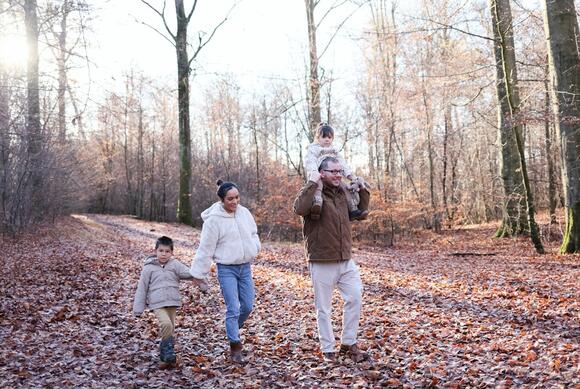
Summer gets all the attention, but spring and fall are often the better choice. The trails are less packed, lodging is easier to book, and in many parks the scenery is arguably more interesting — think fall foliage in the Smokies or wildflowers in Death Valley after a wet winter.
Use the park’s shuttle system
Many busy parks like Zion and Acadia run free shuttle systems specifically designed to cut down on car traffic. Using the shuttle saves the headache of circling for parking and puts you at trailheads without the stress.
In Zion, private vehicles are actually restricted from the main canyon during peak season, so the shuttle isn’t just convenient — it’s mandatory.
Book campsites and permits well in advance
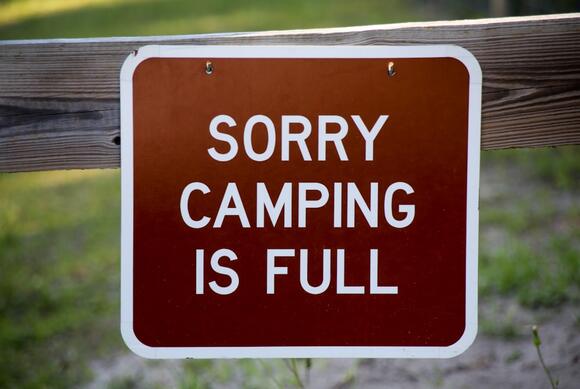
Reservations at popular parks can open up six months ahead of time, and they fill fast. Yosemite, Glacier, and Rocky Mountain all require timed-entry permits during peak months.
Missing that window means turning back at the gate, which is a very long drive home for nothing.
Use a less popular park entrance
Most parks have more than one entrance, and most visitors default to the main one. At Yosemite, for example, far fewer people come in from the eastern Tioga Road entrance compared to the western gates.
Choosing a secondary entrance means shorter lines and a completely different introduction to the park.
Hit the iconic spots first

If you have a must-see list, knock out the highlights early in the day before the crowds settle in. Spend the midday hours — typically the busiest stretch from around 10 AM to 3 PM — on longer hikes, scenic drives, or just taking a break outside the park altogether.
Then head back out in the late afternoon or evening when the light is better anyway.
Camp inside the park
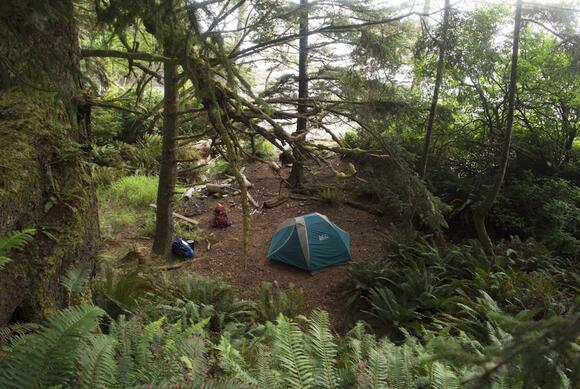
Staying inside the park means you’re already there when everyone else is still driving in. It’s a head start that money can’t easily buy, and waking up inside a national park at dawn — with the mist still on the valley floor — is the kind of thing that makes the early alarm worth it.
Choose trails beyond the first two miles
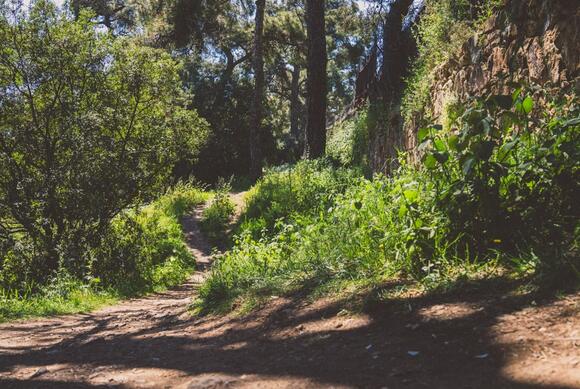
The majority of day visitors stick to the first mile or two from the trailhead. Go further than that and the crowd thins dramatically.
Longer and more strenuous trails in parks like Glacier and Grand Canyon see a fraction of the foot traffic despite offering scenery that’s just as impressive, sometimes more.
Check the park’s recreation.gov page for timed-entry updates

The National Park Service has been rolling out timed-entry reservation systems at a growing number of parks. Checking recreation.gov before you visit is the easiest way to know whether you need a pass, when slots open, and how many are left.
Showing up without one during a restricted period means you won’t get in at all.
Explore lesser-known areas of the same park
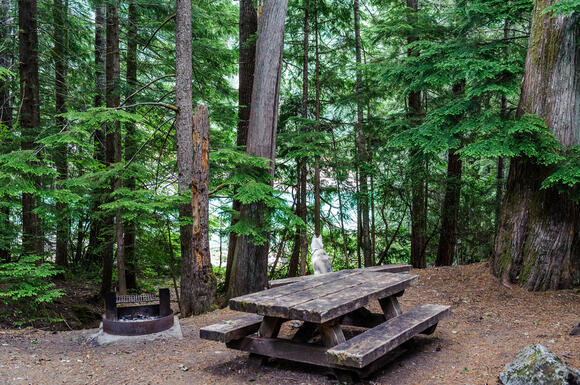
Every major park has corners that most visitors never reach. Schoodic Peninsula in Acadia, for instance, offers the same rugged coastline as the main island but sees a fraction of the traffic because it requires a longer drive.
These overlooked sections often deliver the same wow factor with none of the crowds.
Picnic instead of dining at park restaurants

The biggest indoor crowds in many parks cluster around visitor center cafes and village restaurants at lunchtime. Packing your own food and finding a quiet spot off the main drag eliminates a huge chunk of the midday chaos.
It also tends to be cheaper and puts you somewhere more scenic than a cafeteria.
Download offline maps before you go
Cell service inside national parks is notoriously unreliable, and getting lost without a signal wastes time you could spend enjoying the place. Apps like AllTrails and Gaia GPS let you download trail maps for offline use, so you always know where you are even in a dead zone deep in the backcountry.
Consider nearby national forests and state parks
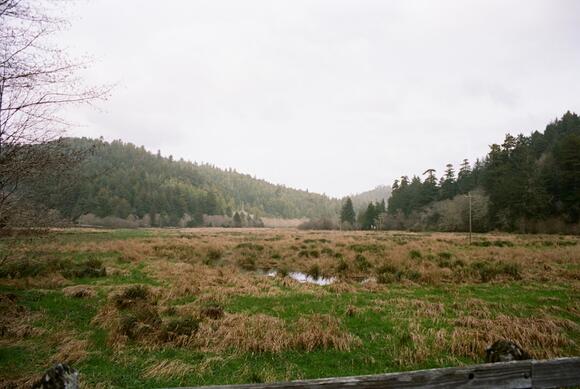
On peak weekends, the areas surrounding busy parks often go completely unvisited. National forests, state parks, and BLM land adjacent to popular parks frequently offer similar landscapes — waterfalls, alpine lakes, canyon views — without the reservation requirements or entrance fees.
The views from just outside a national park boundary can be just as good.
Talk to a ranger when you arrive
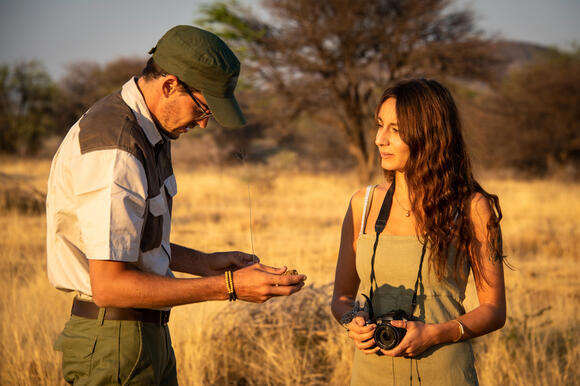
Park rangers know the current conditions better than any app or guide. They can tell you which trails are unusually crowded that day, where a wildlife sighting has been drawing attention, and which alternate routes are quieter.
A two-minute conversation at the visitor center can reshape your whole itinerary for the better.
Stay just outside the park if inside lodging is full
Inside lodging books out months in advance and costs a premium. Staying in a town just outside the park — like Gatlinburg near the Smokies or Springdale near Zion — is more affordable and still gives you quick access.
The key is avoiding hotels right at the main entrance, since that’s where the morning traffic bottleneck tends to form.
Go out in the rain

A rainy morning empties out most trails faster than a ‘closed’ sign. People who came for the Instagram shot head back to their cars, and suddenly you’ve got a famous viewpoint almost to yourself.
Pack a waterproof layer and embrace it — overcast skies actually make for better photography without the harsh midday glare.
Try a less-visited park entirely
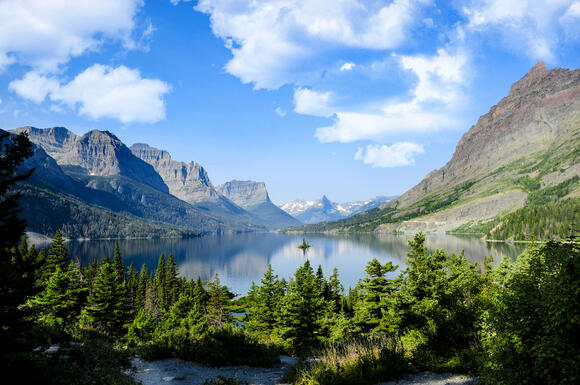
Finding space at popular spots isn’t required just because 63 national parks exist across the country. One could wander into places like Black Canyon of the Gunnison – Colorado’s hidden giant – or explore North Cascades where mountains fold into silence, even Great Basin where desert stillness stretches beyond expectation.
Less traffic shows up on those trails not due to lack of beauty but from extra thought needed ahead of time. Still, arriving well prepared opens doors to land that breathes wild, untouched by constant footsteps.
The parks aren’t going anywhere — but your patience might
Sharing was part of the idea behind national parks, yet crowding changes everything. Those suggestions aren’t meant to hide you from folks – instead, they help navigate things wisely, matching your visit to what drew you there.
Arrive before most do, organize well beforehand, then try paths fewer follow; quiet moments wait where effort leads. Each choice like that pays off, without fail.
More from Travel Pug

- Underrated Italian Towns That Beat the Tourist Crowds
- Las Vegas Tourist Traps to Skip
- Prettiest Towns in Every US State
- 18 passport-free countries for Americans
- Signs Your Cruise Is Not Worth The Cost
Like Travel Pug’s content? Follow us on MSN.
 Add to Preferred Sources