undefined
Posts
undefined
Followers
Towns That Keep Maritime History Alive
By adam Garcia,
2026-01-19The coastlines of America narrate tales that go back centuries, such as the movement of whale oil by wooden ships and the naval battles that influenced the country. Modern resort towns have taken the place of many coastal villages, yet certain destinations are not ready to surrender their maritime stories to museum displays.
These towns and cities continue to enact the seafaring past through their docks, old boats, and the customs of sailors, shipbuilders, and fishermen that have been passed on for centuries. A list of 20 towns that keep the sea stories alive is provided below.
Mystic, Connecticut
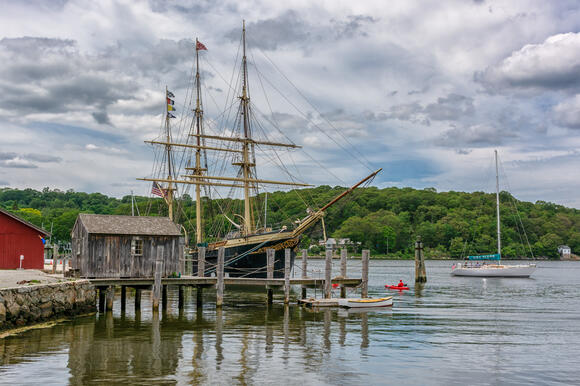
This small town on the Connecticut coast punches way above its weight when it comes to preserving America’s seafaring past. Mystic Seaport Museum sprawls across 19 acres and houses the last wooden whaling ship in the world, the Charles W. Morgan, which actually sailed the oceans from 1841 to 1921.
The town still builds and repairs wooden boats using traditional methods, and you can watch craftspeople work with the same tools their predecessors used two centuries ago.
Salem, Massachusetts
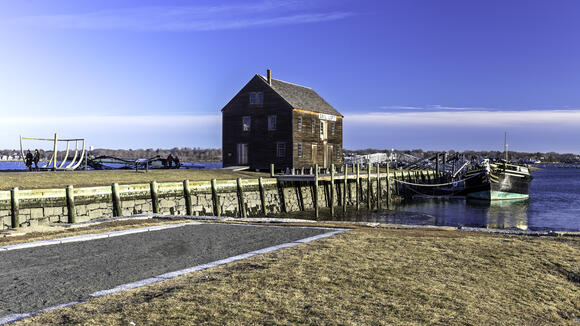
Salem’s witch trial fame often overshadows its real claim to history as one of America’s most important ports during the age of sail. The town’s merchants once traded directly with China, bringing back silk, spices, and porcelain that made Salem one of the richest cities per capita in the young United States.
Today, the Salem Maritime National Historic Site preserves the wharves and warehouses where fortunes were made, and tall ships still dock at Derby Wharf just like they did in 1790.
Annapolis, Maryland
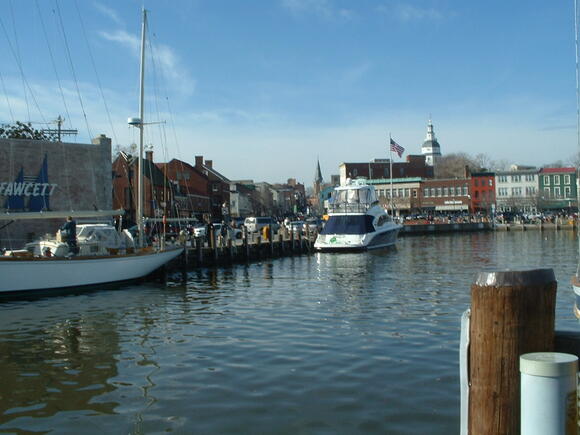
The U.S. Naval Academy calls Annapolis home, but this Chesapeake Bay town’s maritime roots run deeper than military tradition. Annapolis has been a major sailing center since colonial times, and it remains one of the few places where wooden boat building is still a living craft rather than a museum piece.
The town hosts more sailboat races than almost anywhere else in America, and its historic harbor district looks remarkably similar to how it appeared in the 18th century.
Nantucket, Massachusetts
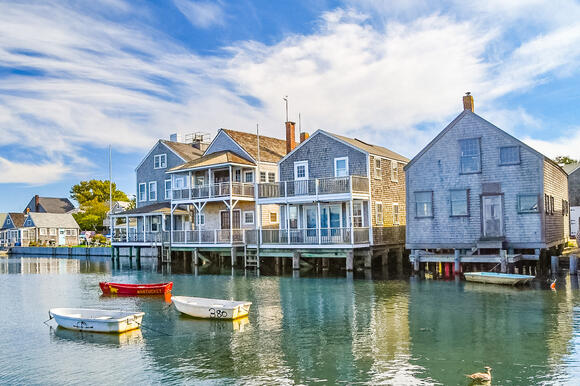
Thirty miles off the Massachusetts coast, Nantucket was once the whaling capital of the world, sending ships on voyages that lasted years and covered thousands of miles. The entire island is basically a preserved 19th-century whaling village, with cobblestone streets, gray-shingled houses, and a whaling museum that sits in an actual candle factory where whale oil was processed.
What makes Nantucket special is that strict preservation laws have kept modern development from destroying the historic character that defined the island’s golden age.
Portsmouth, New Hampshire
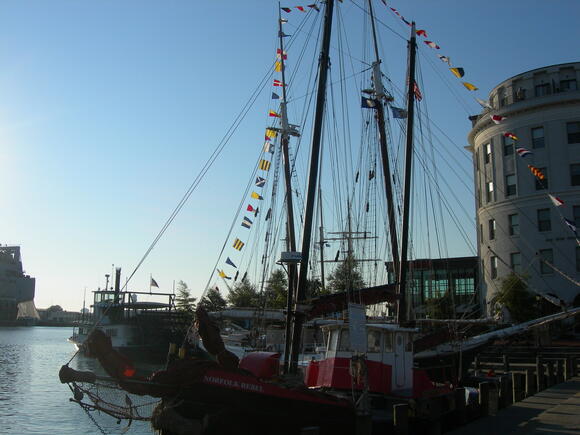
Portsmouth has been constructing ships since 1690, and the tradition carries on at the still-operating Portsmouth Naval Shipyard just across the river. The Strawbery Banke Museum, aside from being a historical attraction, also serves as a research site, as it has preserved ten acres of neighborhoods, which are waterfront and temporal, with the aspect of how maritime trade influenced the entire colonial town’s daily life, showing the process of a port town’s evolution from a small trading post to a major shipbuilding center through the interweaving of historic houses, working craft shops, and restored gardens as a living timeline.
Charleston, South Carolina
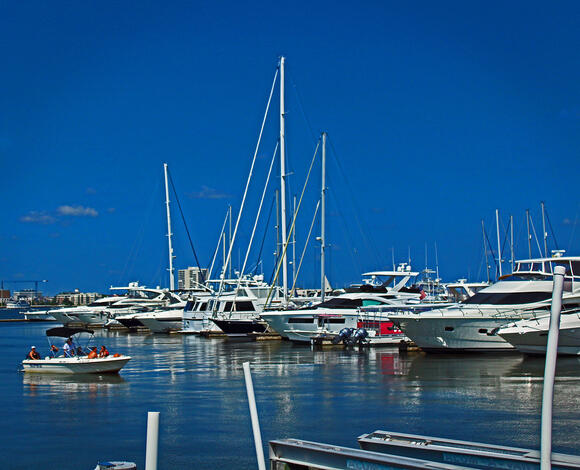
Charleston’s role as a major Confederate port during the Civil War gets plenty of attention, but the city’s maritime history stretches back much further to its founding in 1670. The Patriots Point Naval and Maritime Museum houses the aircraft carrier USS Yorktown, which saw action in World War II and Vietnam, along with a destroyer and a submarine that visitors can actually explore.
Charleston’s historic district preserves hundreds of buildings that once served the maritime trade, from merchants’ homes to warehouses where cotton and rice were stored before shipping overseas.
Bath, Maine
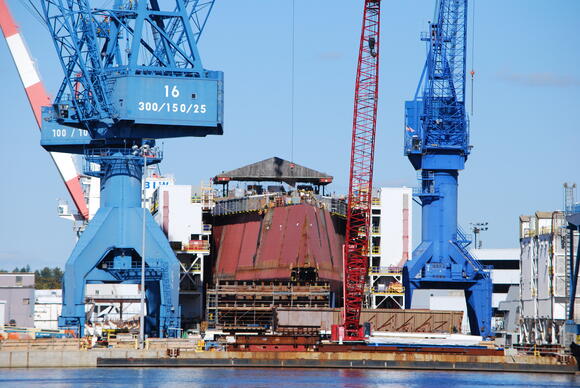
Bath earned the nickname ‘City of Ships’ by building more wooden vessels than any other city in America during the 19th century. The Maine Maritime Museum sits on the grounds of a former shipyard where massive schooners took shape, and it still operates a working boatshop where traditional wooden boats are built and repaired.
Bath Iron Works continues the shipbuilding tradition today, constructing Navy destroyers using methods that would amaze the old-time shipwrights but carry forward their legacy of maritime craftsmanship.
Key West, Florida
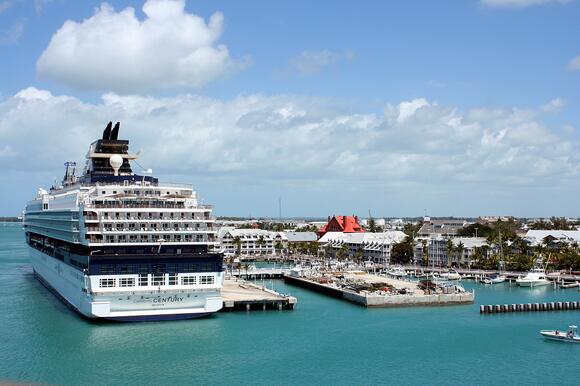
The southernmost point in the continental United States built its early economy on salvaging shipwrecks that ran aground on the dangerous reefs surrounding the island. Key West’s Mel Fisher Maritime Museum celebrates this ‘wrecking’ tradition and displays treasures recovered from Spanish galleons that sank centuries ago.
The town’s connection to the sea remains visible in everything from the commercial fishing fleet that still operates out of the harbor to the naval air station that has guarded American waters since World War I.
San Francisco, California
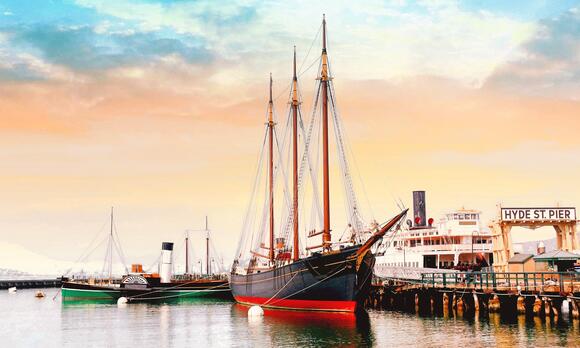
San Francisco Bay became one of the world’s great harbors almost overnight when the Gold Rush brought thousands of ships carrying fortune seekers from around the globe. The San Francisco Maritime National Historical Park preserves an entire fleet of historic vessels, including the 1886 square-rigger Balclutha and several steam-powered ferries that once carried commuters across the bay.
Hyde Street Pier lets visitors board these ships and explore below decks, experiencing what life was like for the sailors who worked them.
Gloucester, Massachusetts
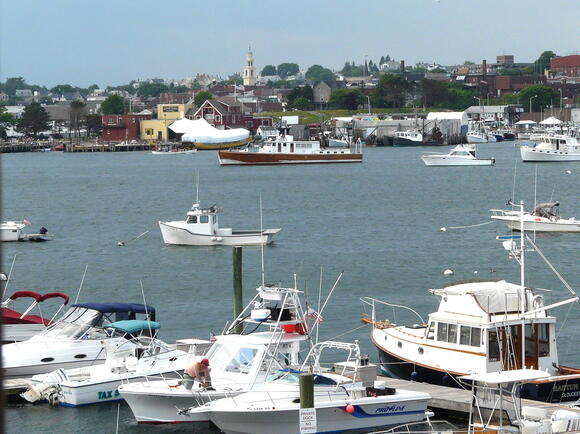
America’s oldest seaport, founded in 1623, Gloucester has sent fishing boats into the North Atlantic for four centuries straight. The famous Fishermen’s Memorial statue on the waterfront honors the more than 10,000 Gloucester fishermen who died at sea, a sobering reminder that maritime history wasn’t all adventure and glory.
While the fishing industry has declined from its peak, Gloucester still operates as a working port where you can watch boats unload their catch just as they’ve done for generations.
Newport, Rhode Island
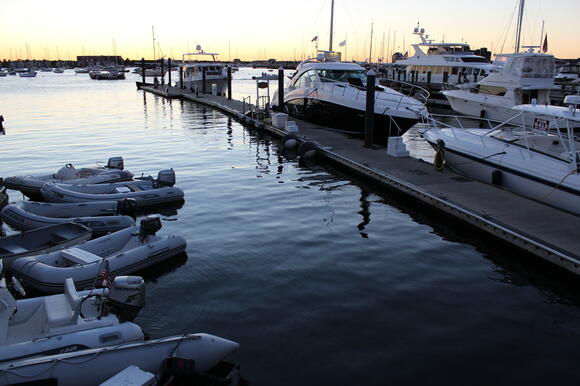
Colonial Newport rivaled Boston and New York as a trading powerhouse, and the town’s preserved waterfront tells that story through dozens of 18th and 19th-century buildings. The Museum of Newport History and the Newport Restoration Foundation maintain historic properties that show how maritime wealth shaped everything from architecture to social customs.
Newport remains one of America’s premier sailing destinations, hosting major regattas that attract competitors from around the world and keeping alive the competitive spirit that defined the age of sail.
Beaufort, North Carolina
Blackbeard the pirate met his end near Beaufort in 1718, and the town embraces this swashbuckling past while also preserving its respectable maritime traditions. The North Carolina Maritime Museum displays artifacts from Blackbeard’s flagship Queen Anne’s Revenge, which ran aground just offshore and was rediscovered in 1996.
Beaufort’s historic district features more than 100 preserved structures from the 18th and 19th centuries, many built by ship captains and merchants who made fortunes in the coastal trade.
Astoria, Oregon
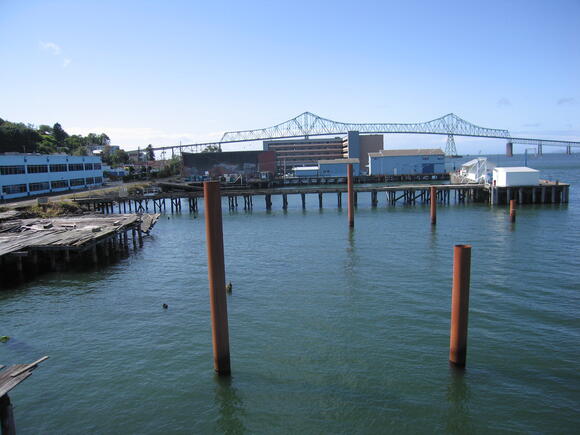
Perched where the Columbia River meets the Pacific Ocean, Astoria grew up as a fishing and cannery town that processed millions of pounds of salmon every year. The Columbia River Maritime Museum chronicles the dangerous history of the river’s mouth, known as the ‘Graveyard of the Pacific’ for the hundreds of ships that wrecked trying to navigate its treacherous bar.
Astoria still operates as a working port, and the Victorian-era houses climbing the hillside above the river were built by the cannery owners, ship captains, and merchants who made the town prosperous.
St. Augustine, Florida
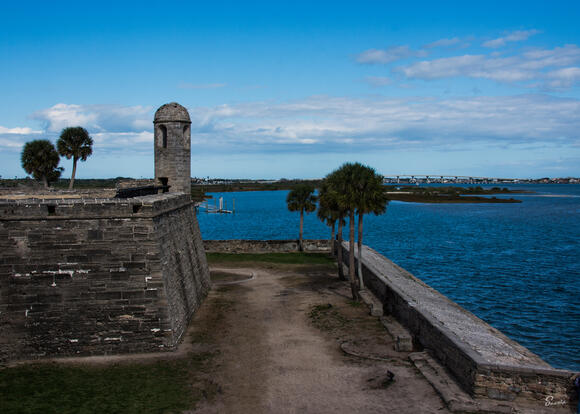
Founded by the Spanish in 1565, St. Augustine is America’s oldest continuously occupied European settlement, and its maritime heritage reflects centuries of colonial competition for control of Atlantic shipping lanes. The Castillo de San Marcos, a massive stone fortress built to protect Spanish treasure fleets, still dominates the harbor entrance.
The city’s Spanish colonial architecture and narrow streets remind visitors that maritime defense shaped urban planning long before the United States existed as a nation.
Newburyport, Massachusetts
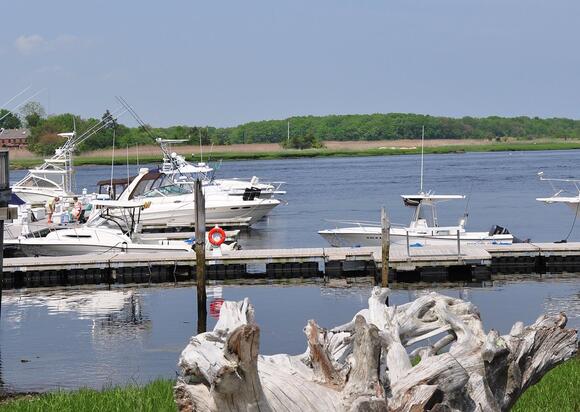
This Merrimack River port town built clipper ships that set speed records, sailing to China and California during the mid-1800s. Newburyport’s downtown historic district preserves the brick commercial buildings and Federal-style homes that maritime prosperity built, and the Custom House Maritime Museum occupies the actual building where customs officials once inspected cargo from around the world.
The waterfront has been carefully restored rather than redeveloped, maintaining the scale and character of a working 19th-century port.
Marblehead, Massachusetts
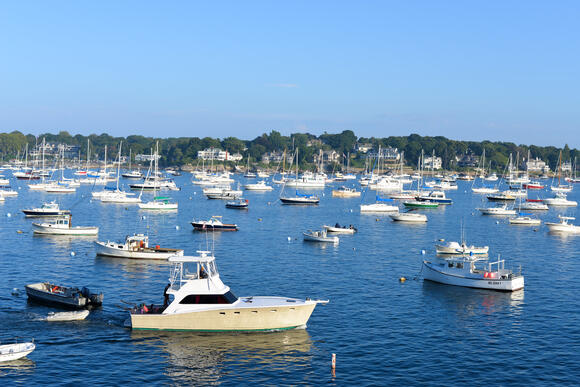
Often called the birthplace of the American Navy, Marblehead sent privateers to harass British shipping during the Revolution and contributed more sailors per capita than any other American town. The town’s harbor remains packed with sailboats, and Marblehead Race Week is one of the largest sailing competitions in North America.
Historic houses dating to the 1600s cluster along narrow streets that follow the same paths sailors walked centuries ago, and the town has resisted modern development that would compromise its colonial character.
Port Townsend, Washington
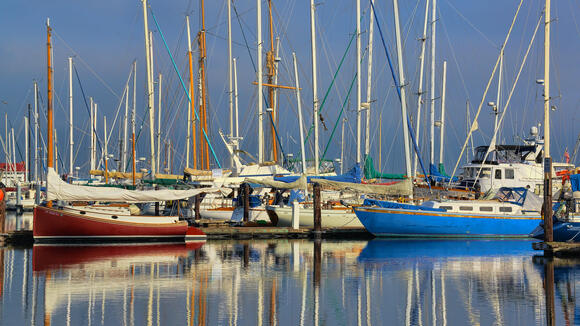
This Victorian seaport on Puget Sound was expected to become the major West Coast terminus for transcontinental railroads in the 1880s, which led to a building boom that created dozens of ornate commercial buildings and mansions. When the railroad chose Seattle instead, Port Townsend’s economy collapsed, but that failure preserved the Victorian architecture that makes the town special today.
The Northwest Maritime Center keeps traditional boat-building skills alive through classes and apprenticeships, and the town’s location on the Strait of Juan de Fuca means sailing remains central to local culture.
Savannah, Georgia
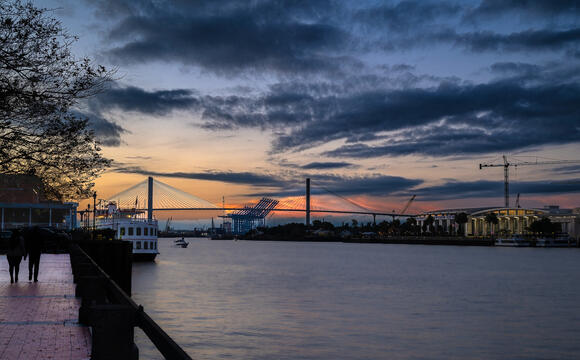
Savannah’s deep natural harbor made it Georgia’s most important port from colonial times through the present day. The Ships of the Sea Maritime Museum occupies an 1819 mansion and displays ship models, paintings, and maritime artifacts that chronicle the port’s evolution.
Savannah’s historic riverfront, once lined with cotton warehouses, has been preserved and adapted for modern use while maintaining the brick structures and cobblestone streets that defined the working waterfront in the 1800s.
New London, Connecticut
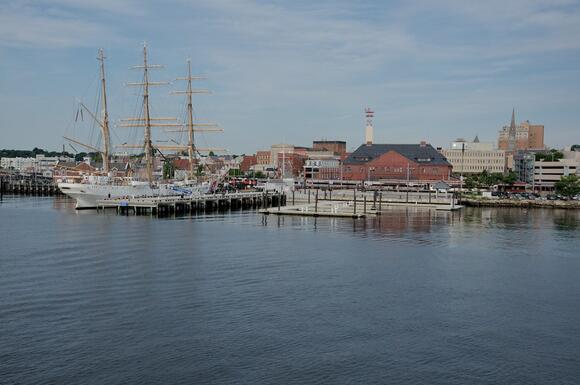
Since 1910, the U.S. Coast Guard Academy has been located in New London, which at that time was the 19th century’s third biggest whaling port, and it was as important as Nantucket and New Bedford. The Custom House Maritime Museum keeps the 1833 building where customs agents weighed the oil, spermaceti, and whalebone with which the town became rich.
Furthermore, Fort Trumbull State Park is able to explain the military part of maritime history, that coastal defenses evolved from the Revolutionary War era to the Cold War period.
Portsmouth, Virginia
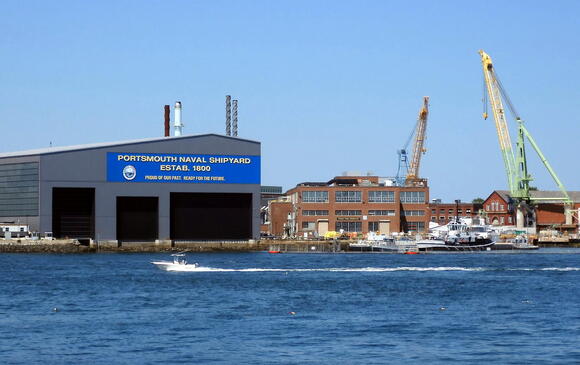
Not to be confused with its New Hampshire namesake, Portsmouth sits across the Elizabeth River from Norfolk and has built, repaired, and serviced naval vessels since 1767. The Norfolk Naval Shipyard, despite its name, actually operates in Portsmouth and remains one of the oldest shipyards in continuous operation in the United States.
The Lightship Portsmouth Museum, housed in an actual lightship that guided vessels into Chesapeake Bay, helps visitors understand the navigation challenges that made safe harbor so important to maritime commerce and naval operations.
Where the past meets the present
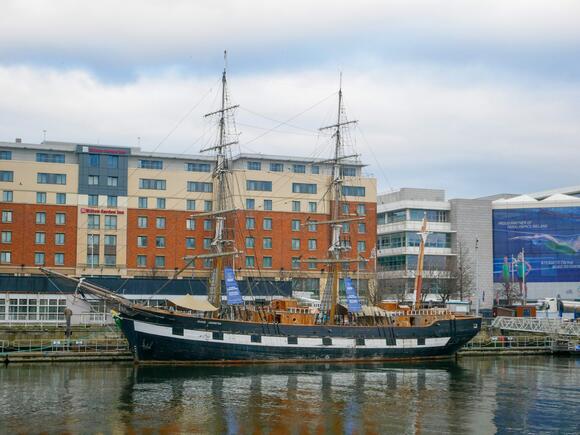
These towns are clear examples that history doesn’t have to be static or a thing of the past. They have managed to respect their maritime legacy and, at the same time, modernized their ways through turning old shipyards into museums, preserving traditional skills with contemporary industries, and teaching the young ones about the importance of the sea to the growth of America.
Even if the ships are smaller and the catches are not so many as they used to be, the bond with the water is still very active in these towns that are determined not to lose their maritime identity.
More from Travel Pug

- Underrated Italian Towns That Beat the Tourist Crowds
- Las Vegas Tourist Traps to Skip
- Prettiest Towns in Every US State
- 18 passport-free countries for Americans
- Signs Your Cruise Is Not Worth The Cost
Like Travel Pug’s content? Follow us on MSN.
 Add to Preferred Sources
