undefined
Posts
undefined
Followers
Ways To Spot A Bad Tour Guide
By adam Garcia,
2025-11-16It’s exciting to plan a trip to a new place, but how well you get a tour can make or ruin the experience. While a bad guide leaves you feeling hurried, frustrated, and wondering where your money went, a great guide makes history come to life and shows you hidden places you’d never discover on your own.
Finding warning signs before making a reservation or early enough in the tour to make adjustments is often what makes the difference. Knowing what to watch for protects both your wallet and your vacation time. Here is a list of 20 ways to spot a bad tour guide.
They have no credentials or a license
Tour guides must possess official licenses or certifications at many well-known locations, which attest to their familiarity with the history, customs, and safety measures of the area. When someone is unable to provide you with the necessary credentials, it’s usually a sign that they are either operating illegally or lack the expertise to provide you with a genuine experience.
Before making a reservation, ask to see their license. If they avoid the question or become defensive, find someone proud to present their credentials.
Their reviews are suspiciously vague
Instead of merely stating “great guide” or “nice tour” without providing any details, online reviews ought to provide detailed accounts of what made a tour noteworthy. Generic compliments that could be applied to anyone are frequently a sign of phony reviews or a guide who doesn’t make a big impression.
Seek out reviews that highlight particular locations visited, fascinating information discovered, or the way the guide handled unforeseen circumstances.
Communication is poor from the start
The way a guide responds to your initial messages reveals a lot about how they’ll handle your actual tour. If they take days to reply, give unclear answers, or seem annoyed by basic questions about the itinerary, that behavior won’t magically improve once you’ve paid.
Professional guides understand that good communication builds trust and sets clear expectations for everyone involved.
The price seems too good to be true

Tour guides price their services based on expertise, licensing and insurance costs, and the quality of the experience they provide. When someone offers rates dramatically lower than competitors, they’re often cutting corners somewhere, whether that’s skipping major sites, lacking proper insurance, or planning to make up the difference through commission stops.
Compare prices across several guides to understand what’s reasonable for your destination.
There’s no clear itinerary provided
A professional guide should give you a detailed plan showing which sites you’ll visit, approximate timing for each stop, and what’s included in the price. Vague descriptions like ‘we’ll see the best spots’ or ‘trust me, it’ll be great’ leave too much room for disappointment and disagreements.
Without a clear itinerary, you have no way to hold them accountable if half the promised attractions never materialize.
They show up late without explanation

Since your vacation time is limited and many attractions have set hours or crowd patterns, being on time is important. When a guide is thirty minutes late to your meeting place, it’s a sign that they don’t respect your time or realize how delays can cause problems all day long.
Professionals schedule buffer time for traffic and communicate right away if something goes wrong.
Their local knowledge is obviously shallow

You can usually tell within the first hour whether someone truly knows their city or just memorized a script from the internet. Bad guides recite basic facts you could find on Wikipedia, can’t explain the significance of what you’re seeing, or stick to the most obvious tourist spots without offering any insider perspective.
The best guides connect historical events to current local life and know stories that don’t appear in guidebooks.
They can’t answer basic questions

When you ask about the best local restaurant for dinner or how public transportation works, a knowledgeable guide should have helpful recommendations ready. Guides who respond to reasonable questions with ‘I don’t know’ or ‘just Google it’ clearly haven’t done their homework on the destination.
This becomes particularly problematic if you need help with practical matters, such as finding an ATM or navigating back to your hotel.
The tour becomes a shopping expedition
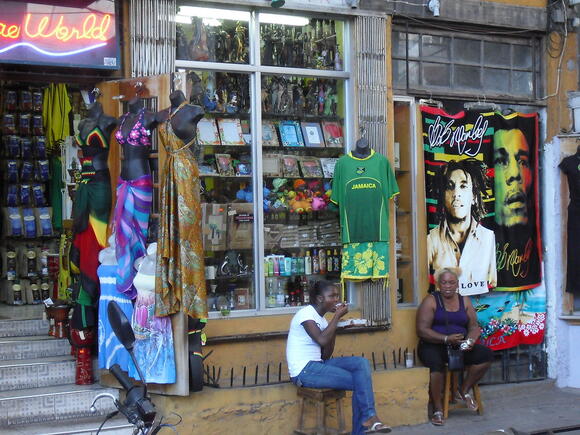
Some guides prioritize taking you to souvenir shops, jewelry stores, or textile markets where they earn commission on anything you buy. You’ll notice this when the tour spends more time in shops than at actual cultural or historical sites, or when the guide becomes pushy about you making purchases.
Legitimate guides might point out authentic markets as part of the cultural experience, but they won’t pressure you or waste half your day chasing their commission.
They pressure you to spend money
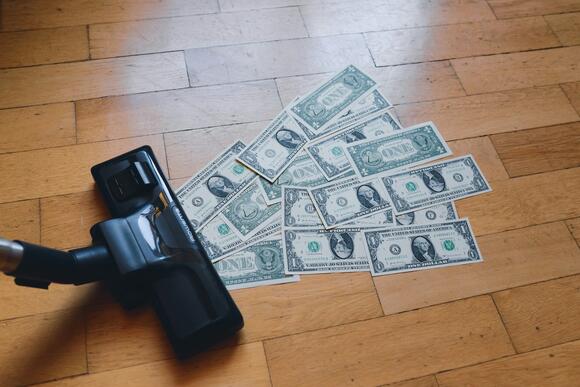
Beyond shop commissions, bad guides find creative ways to extract extra cash throughout the day. This might include sudden ‘required’ fees for sites that should be included, suggesting expensive restaurants where they get kickbacks, or implying they deserve a huge tip for basic service.
Professional guides are upfront about all costs from the beginning and never make you feel uncomfortable about spending decisions.
Their phone gets more attention than you do
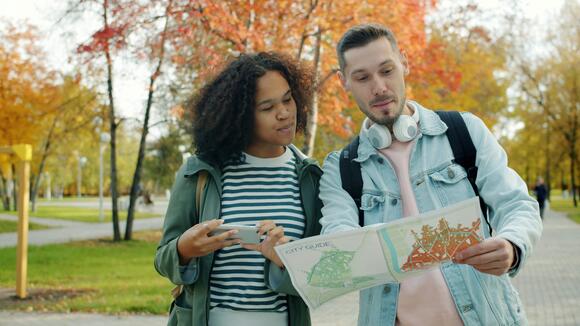
A guide who constantly checks messages, takes personal calls, or scrolls social media during explanations clearly isn’t focused on giving you a quality experience. This behavior is not only rude but also means you’re missing out on the information and insights you paid for.
Occasional quick checks for emergencies are understandable, but chronic phone use signals disrespect for the group.
They’re disrespectful toward locals
Pay attention to how your guide interacts with vendors, restaurant staff, or other locals you encounter. Guides who are rude, dismissive, or culturally insensitive toward their own community create uncomfortable situations and often provide inaccurate information shaped by their biases.
Respectful guides treat everyone with dignity and help bridge cultural understanding rather than reinforcing stereotypes.
Time management is nonexistent
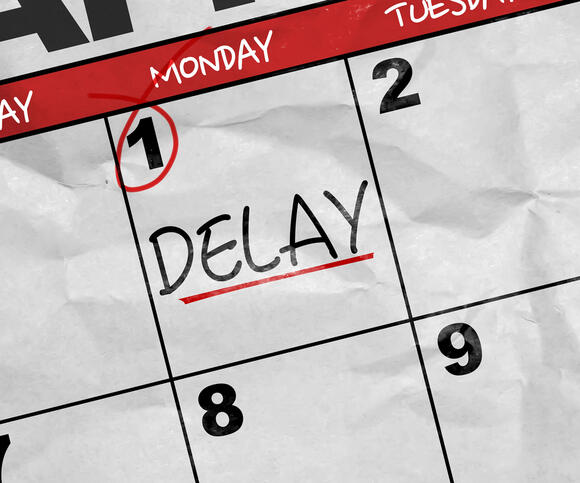
Poor guides either rush you through important sites to stay on their arbitrary schedule or waste time with unplanned detours that eat into your day. You might arrive at a museum 20 minutes before closing or spend an hour stuck in traffic because they didn’t account for rush hour.
Good guides understand pacing, know when attractions are least crowded, and adjust timing based on the group’s energy and interests.
Safety protocols are never mentioned

Before any tour involving physical activity, transportation, or unfamiliar neighborhoods, a responsible guide discusses basic safety measures. This includes emergency contacts, what to do if someone gets separated, any physical requirements for activities, and the location of first aid supplies.
Guides who wave off safety concerns or fail to mention protocols put you at unnecessary risk.
Hidden fees keep appearing
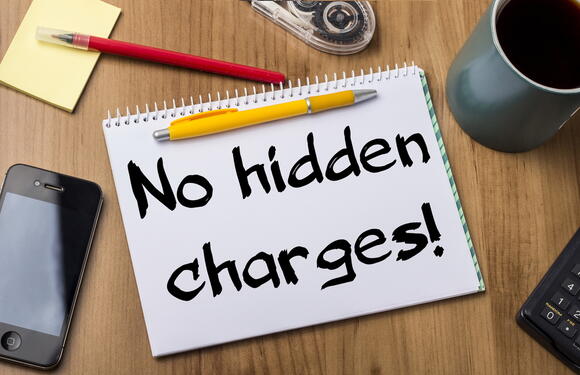
The tour price should include everything promised in the itinerary, but bad guides surprise you with entrance fees, parking costs, or mandatory tips that were never mentioned upfront. These unexpected charges add up quickly and often happen at moments when you feel you have no choice but to pay.
Always ask for a complete breakdown of costs before booking, and get it in writing if possible.
Their attitude screams disinterest
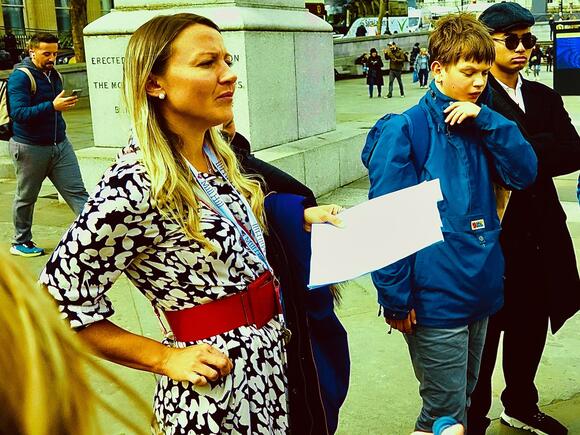
Some guides treat tours like a boring day job, showing zero enthusiasm for the destination or the people they’re leading. They go through the motions in a monotone, check their watches constantly, and seem annoyed when anyone asks questions or wants to take photos.
This lack of passion kills the energy of the entire experience and makes you wonder why they chose this profession.
The information they share is wrong

Guides who provide inaccurate historical dates, made-up stories, or completely false information about local culture do serious damage to your understanding of a place. You might not catch these errors in the moment, but later research or conversations with other locals will reveal the guide was either poorly trained or simply making things up to fill time.
Misinformation isn’t just disappointing, it’s disrespectful to the destination’s actual history.
There’s no cancellation or refund policy

Professional tour operators have clear policies about cancellations, weather-related changes, and refunds for unsatisfactory service. Guides who refuse to discuss these terms or claim everything is non-refundable regardless of circumstances are protecting themselves at your expense.
A lack of policy usually means you’ll have no recourse if they cancel at the last minute or fail to deliver what was promised.
Their behavior crosses professional lines
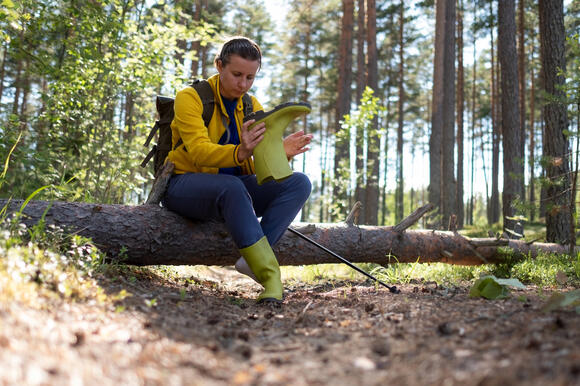
A professional tour environment is not the place for offensive remarks, unwelcome flirtation, or any other behavior that makes you feel uneasy. This is especially true for lone travelers, who might feel exposed in strange places with someone they cannot trust.
Follow your gut: if something doesn’t feel right, stop the tour and inform the local tourism authorities or the guide’s employer.
They refuse to adjust anything

A strict guide who refuses to comply with reasonable requests demonstrates that they are more concerned with maintaining their routine than with your experience. You should spend more time at one location and less time at another, or someone in your group might have mobility issues and require a slower pace.
While rigid guides treat you like you’re on an assembly line, good guides strike a balance between structure and flexibility, realizing that customization makes tours unforgettable.
From street corners to smartphones

From straightforward street corner scams to intricate online operations using phony websites and credentials that have been stolen, tour guide scams have changed over time. The basic warning signs haven’t changed in decades, despite the tactics differing: vague communication, coercive tactics, a lack of transparency, and prioritizing the guide’s profit over your experience.
Modern tourists have more tools than ever before to research and verify guides before making a reservation, thanks to the introduction of review websites and video tours that highlight a guide’s experience and style. It is crucial to actively use these resources rather than making snap decisions based only on price because the cheapest option almost always ends up costing you more in the long run due to lost time, missed experiences, and frustration that lingers long after you return home.
More from Travel Pug

- Underrated Italian Towns That Beat the Tourist Crowds
- Las Vegas Tourist Traps to Skip
- Prettiest Towns in Every US State
- 18 passport-free countries for Americans
- Signs Your Cruise Is Not Worth The Cost
Like Travel Pug’s content? Follow us on MSN.
 Add to Preferred Sources