undefined
Posts
undefined
Followers
6 Restaurant Red Flags That Should Send You Packing
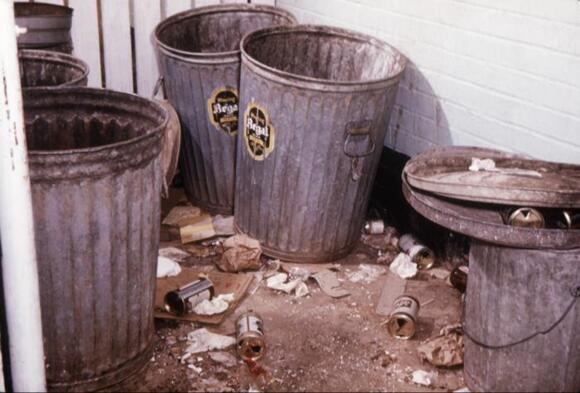
Before you order, the room is already telling you a story. More than half of U.S. foodborne illness outbreaks are linked to restaurants and other food service places, according to CDC summaries of food safety guidance for managers. CDC
Here are six signs you should consider walking out before you ever pick up a fork.
1. The bathroom (and dining area) is gross
If the public bathroom is dirty -- trash overflowing, no soap, grime on the floor, sticky counters -- that is a huge red flag. Health inspectors and food safety experts say a filthy restroom often means the back of house is not much better. In other words, if they cannot keep the part you see clean, imagine the part you do not. Kidspot
You can do a 30 second audit: Is there soap? Are paper towels stocked? Are the floors and sink wiped down? If the answer is no, consider leaving. A dirty bathroom is consistently named as one of the top signs of an overall dirty operation. Tasting Table
2. The menu is a novel and it serves everything
A menu that reads like a phone book -- burgers, sushi, pad thai, omelets, BBQ ribs, lobster ravioli, 17 salads, 12 desserts -- is not just annoying. Chefs and restaurant owners say it is a practical red flag.
Here is why. A giant, all-over-the-place menu can mean the kitchen is stretching too far to cover multiple cuisines, which often means frozen or pre-prepped food instead of fresh cooking. Celebrity chefs and industry veterans warn that when a place tries to be everything to everyone, quality usually drops and corners get cut. The Takeout
High end restaurants tend to do the opposite: tight, focused menus with a clear point of view. When the concept is fuzzy or the menu is 6 pages long and weirdly global, that is your signal. Chowhound
Bonus mini red flag: menus with sticky plastic covers or smudges all over them. Food safety dietitians point out that menus are touched by lots of hands and often never cleaned. If yours feels greasy, that is evidence they are ignoring basic sanitation. GE Latam
3. Food is sitting out at unsafe temperatures
Lukewarm soup. Room temperature potato salad. Sushi sitting in an un-chilled case. A buffet where trays are just topped off instead of swapped for fresh pans.
All of that matters, because bacteria grow fastest in what food safety agencies call the danger zone -- roughly between 40 F and 140 F. Food held in that range too long can let germs multiply to levels that can make you sick. Hot food should stay at or above about 140 F, and cold food should stay at or below about 40 F. U.S. Food and Drug Administration
Buffets are especially risky. Experts say understaffed buffets where no one is actively monitoring trays, swapping them for new ones, or keeping lids on are basically bacteria farms. If you see staff dumping fresh food on top of old food instead of replacing the whole pan, or food that just looks tired and dried out, walk. 7NEWS
4. The staff looks sick or miserable
Watch the people handling your food. Are they actively coughing, wiping their nose, or looking feverish while still serving plates? Certified food safety trainers and public health guidance say workers with symptoms like vomiting, diarrhea, fever, jaundice, or constant coughing should not be prepping or serving food at all, because those are classic ways foodborne illness spreads. MN Dept. of Health
Also pay attention to vibe. Food inspectors say if everyone looks stressed, angry, or openly unhappy to be there, that often points to deeper management problems. Bad management tends to show up in other corners, like poor cleaning, ignored food safety rules, and sloppy handling. 7NEWS
If the crew clearly does not want to be there, you probably do not want to eat there.
5. Cross-contamination and basic hygiene are not happening
A couple of fast tells:
- Your server takes cash or a credit card, then immediately starts assembling your food with the same gloves.
- The table is wiped with a gray, sour-smelling rag that clearly has been used all day.
- The ketchup bottle and salt shaker are sticky.
Food safety experts call these out as contamination risks. Money is dirty, so anyone who handles payment should change gloves or wash hands before touching ready-to-eat food. Reusing the same wipe rag over and over can spread bacteria from one table (or spill) directly onto your silverware and plate. And grimy condiment bottles are an easy sign the place is not staying on top of basic cleaning. GE Latam
If they are not even doing the simple stuff you can see, assume they are not doing the complicated stuff you cannot see.
6. They blow off allergies or basic safety questions
Ask a simple question like: "Does this sauce have peanuts?" or "Is there egg in that batter?" If the server seems annoyed, unsure, or says something like "I think it's fine" without checking, that is another leave-now moment.
Registered dietitians who dine out with severe allergies say that if a restaurant cannot answer calmly, accurately, and respectfully about ingredients, you should not take the risk. Food allergies can be life threatening in seconds. A restaurant that shrugs instead of checking with the kitchen is telling you their systems are sloppy. GE Latam
Bottom line: cleanliness, focus, temperature control, healthy staff, and respect for safety are not extras. They are the basics. If a place is failing the basics before you even order, you are allowed to walk.
 Add to Preferred Sources


