undefined
Posts
undefined
Followers
Getting ready for Scout: More Midlands industrial development in pipeline after construction lull
By Caleb Bozard,
19 hours ago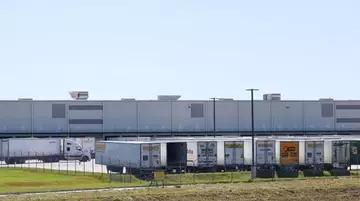
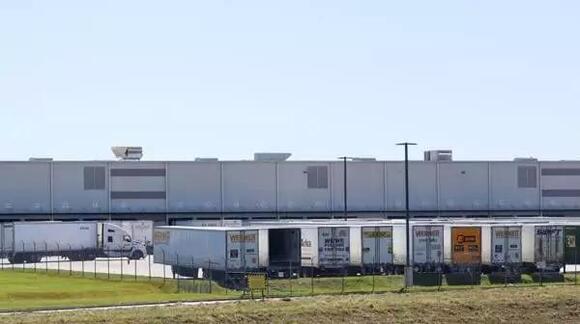
COLUMBIA — After a brief slowdown, development of new industrial properties is picking up in the Columbia region.
The market has been defined by consistent demand and rising rents, especially as Scout Motors’ $2 billion manufacturing plant in Blythewood nears production.
Scout’s arrival has industrial developers and tenants paying more attention to Columbia than ever before, but some headwinds at the local and national level are still at play. While construction of new industrial space in the area had slowed down, that’s picking back up as the need to house Scout suppliers looms and demand increases.
A manufacturing town
Columbia and the wider Midlands region have long been a manufacturing stronghold, providing slow but steady job and economic growth.
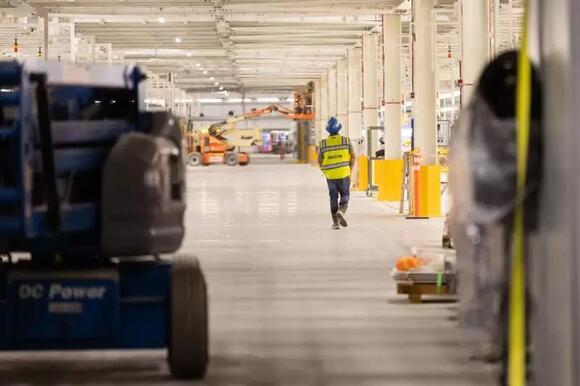
Demand for new manufacturing and industrial square footage in the region has been on the rise since Scout Motors announced its 1,100-acre plant in Blythewood in 2023. The factory is nearing completion and is expected to begin producing hybrid vehicles in 2028.
Rents are up and vacancy is down for industrial space across much of the Columbia market, according to recent reports from commercial real estate firms Colliers and NAI.
The overall vacancy rate for industrial space in the market has hovered around 5 percent in the third quarter of 2026, according to those reports. That’s compared to an over 7 percent average nationwide in the same period.
Richland County alone has quadrupled its asking price for square footage in its industrial parks in some cases, said Jeff Ruble, CEO of the Columbia Area Development Partnership.
Developers that formerly avoided investing in Columbia have now begun expressing interest. Offers that would have been lucrative a decade ago are now being turned down in favor of higher bids, he said.
“We've gotten absolutely more selective in who we recruit,” he said.
What’s driving the growth?
That interest is being driven in large part by Scout planting roots in the market, local experts said.
Companies looking to supply Scout with parts for its cars, as well as those lured by increased publicity for the strong and steady market, are looking to enter the Midlands. Other existing users are looking to expand.
The potential for Scout to draw other industry to the region has been a major selling point for both company leaders and elected officials.
“When Scout Motors chose South Carolina, the promise was always bigger than a single factory. It was about creating an economic engine that could attract new investment, strengthen the state’s manufacturing base and create opportunity well beyond our Production Center,” Scout spokesperson Jamie Lovegrove said in a statement. “That's now taking shape in real time as suppliers invest, companies expand, and new industrial activity takes root around us.”
“We're proud to see that momentum building in the Midlands and across South Carolina, and we expect the impact to continue to grow as we ramp up towards production,” he said.
Scout is building its own 2 million-square-foot supplier park to lease manufacturing space to partners neighboring its 3 million-square-foot Blythewood factory. Polish car seat manufacturer Brose Sitech announced a $30 million operation in the supplier park in October. Scout declined to provide overall leasing figures for the park.
The supplier park space won’t be enough to satisfy demand for those flocking to or expanding in the region, so it’s not really competition for county-owned industrial parks or private developments, Ruble said.
“I think if they get up to the volumes that they've projected, then there'll be plenty more suppliers to come,” he said. “So I can't be greedy about one or two or three suppliers going on site.”
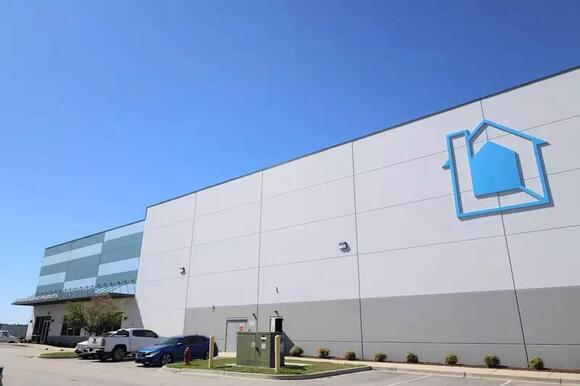
Beyond the draw of Scout, industrial developers and tenants are also flocking to the Midlands to take advantage of the region and the state’s population boom. The state has seen one of the fastest growth rates in the nation in recent years.
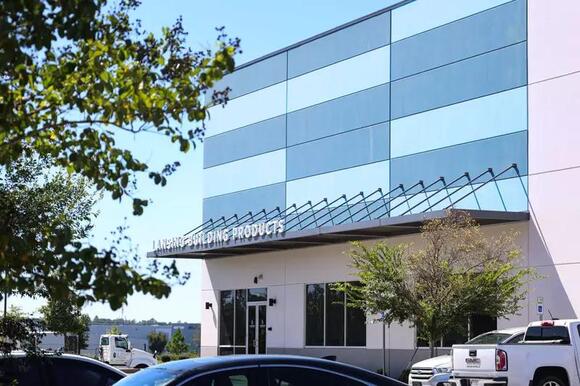
Interested parties are becoming more aware of the region’s selling points — strong workforce, established manufacturing base and connectivity to major interstates and the port in Charleston — said Thomas Beard, a Colliers vice president who specializes in the industrial market.
“Our phones are ringing multiple times a day from new developers that don't currently have a presence in this market that are all of a sudden very interested in learning more about Columbia and how they can be successful here,” Beard said. “And those weren't calls that we were getting five, six, seven years ago.”
What happens next?
Along with increasing interest, some of those figures have been driven by a lull in construction of new industrial space, experts said.
Hesitation over inflation and the economic impact of tariffs slowed construction of new square footage in recent quarters, but more has come online in the past few months as developers begin breaking ground on new projects.
Over 1.1 million square feet of industrial space broke ground in the third quarter of 2026, according to Colliers. Those projects are expected to be completed in 2027.
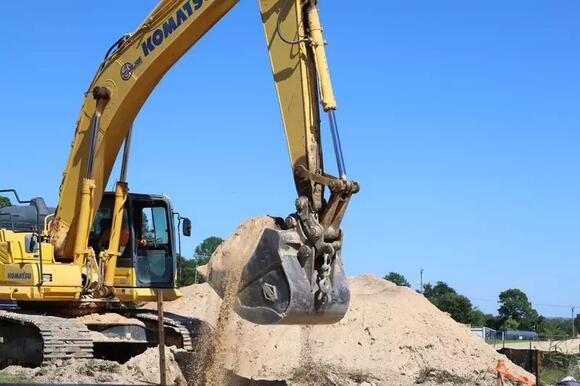
As more of that new stock enters the market and more options are available, industrial tenants may seek out space in outlying counties like Lexington and Calhoun to take advantage of lower property taxes than in Richland, some experts said.
“If there's only one option that really works for them, then they're just going to go wherever that is, and they're going to suck it up because there's no competition within the three core counties … but that could change as more product is introduced to the market, and there's a larger variety of options for these users that are considering locating here,” Beard said.
Richland County has worked to offset those tax rates by offering incentive packages to developers. As the county continues to become more discerning in what industrial projects it courts, those incentives may be more suited for projects with higher employee bases, Ruble said.
Richland is in “friendly competition” with other counties in the market — including Lexington, Calhoun, Orangeburg, Fairfield, Kershaw and others — for industrial developments and tenants, Ruble said.
As Richland becomes more selective with which projects it prioritizes recruiting, those other counties stand to continue to benefit from the market’s overall growth, he said.
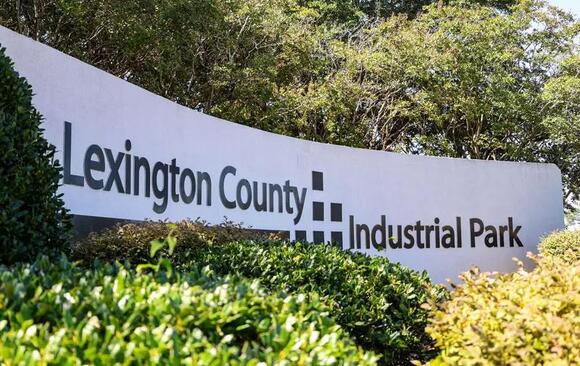
“We understand that we're one big market,” he said. “When a company comes in, they don't look at governmental lines; they're just looking at the market. So when Lexington County does well, I'm on the first email congratulating them because that helps the Richland County market.”
Richland is also developing more space. The county currently owns and markets multiple industrial parks and is developing another near the Scout plant to open when the factory comes online, Ruble said. Lexington and Calhoun counties also operate their own parks.
The county is also looking ahead to a time when real estate for new industrial developments or county industrial parks may be harder to come by, Ruble said.
“We still have land we can develop, but 10 years from now that might not be the case,” he said. “For any economic development agency or any community, I think you've got to just be ever vigilant that you're not on yesterday's strategy.”
 Add to Preferred Sources