undefined
Posts
undefined
Followers
Early detection is key with diabetes
By Jeff Moore,
9 days ago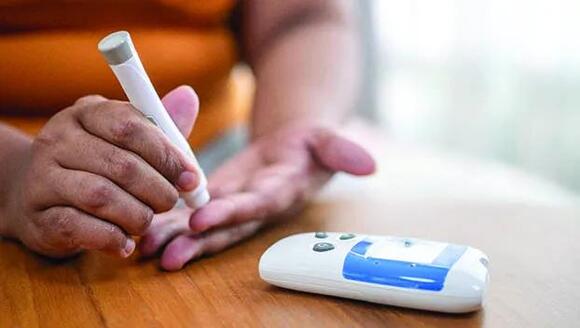
Nearly one in five adults in the Piedmont Health District had diabetes in 2024, the second-highest percentage among Virginia’s health districts, according to a state health analysis.
As World Diabetes Day approaches Nov. 14, the Virginia Department of Health is urging residents to understand their risk factors, get tested and take steps to prevent or manage a disease that can cause serious complications before symptoms appear.
The Virginia Department of Health’s Chronic Disease Dashboard placed the district’s diabetes prevalence at 19.7% in 2024.
The International Diabetes Federation, which organizes World Diabetes Day, selected “early action on diabetes” as this year’s campaign theme.
One of the challenges is that people can have diabetes without realizing it.
Diabetes can develop without noticeable symptoms, allowing elevated blood sugar levels to damage the heart, kidneys, eyes and nerves before a person realizes something is wrong. A blood test can identify the disease early, allowing treatment to begin before serious complications develop.
Dr. Maria Almond, director of the Piedmont Health District, urged residents to discuss diabetes screening with their doctors before symptoms appear.
“You can have diabetes and still feel well, so do not wait for signs to get tested. Talk with your doctor, especially if diabetes runs in your family. Small steps, like drinking water instead of sugary drinks and moving more each day, can help lower your risk of type 2 diabetes. You do not have to do it alone,” Almond said.
KNOWING THE RISKS
Risk factors for type 2 diabetes include increasing age, excess body weight, physical inactivity and a family history of the disease.
Access to healthy food and medical care also can affect a person’s risk, according to the Virginia Department of Health.
Having a parent or sibling with type 2 diabetes increases a person’s risk, although a family history does not mean the disease is inevitable.
Possible symptoms include increased thirst, frequent urination, blurry vision and sores that heal slowly.
Testing also can identify prediabetes, a condition in which blood sugar levels are higher than normal but have not reached the threshold for diabetes.
Identifying prediabetes allows patients to make changes that may prevent or delay the development of type 2 diabetes.
The Virginia Department of Health also recommends healthier eating habits and regular physical activity to reduce the risk of type 2 diabetes.
Losing a modest amount of weight also may help reduce the risk for some individuals.
Information about diabetes prevention classes and other resources is available through the Virginia Department of Health at vdh.virginia.gov/diabetes.
TESTING ANDTREATMENT OPTIONS
For residents without health insurance, the cost of medical care can be an obstacle to getting tested.
Community health centers offer services to uninsured patients, with fees generally based on income and family size.
Central Virginia Health Services operates locations in Buckingham, Prince Edward and Charlotte counties and can provide information about diabetes testing and associated costs.
Residents can contact Central Virginia Health Services at 434-581-3271 or visit cvhsinc.org to learn more.
Proper medical care and blood sugar management can help prevent or reduce those complications.
VDH advises people with diabetes to seek immediate medical attention for serious warning signs, including vomiting, confusion or difficulty breathing.
Managing diabetes may involve changes in diet and physical activity, regular medical appointments, blood sugar monitoring and prescription medications.
Insulin is one medication used to lower blood sugar, although its cost can be a concern for some patients.
Managing diabetes may involve changes in diet and physical activity, regular medical appointments, blood sugar monitoring and prescription medications.
Patients can find information about Medicare’s insulin coverage at medicare.gov/coverage/insulin.
Some pharmaceutical manufacturers also offer financial assistance programs, and pharmacists may be able to help patients identify savings options.
Health officials caution patients against skipping insulin doses or changing their prescribed treatment without consulting their doctors.
UNDERSTANDINGNEWER MEDICATIONS
Newer diabetes medications have received considerable attention for their ability to help some patients control blood sugar and lose weight.
Some of these medications also may reduce the risk of certain heart or kidney complications, according to VDH.
However, the drugs are not appropriate for everyone.
The medications are not appropriate for everyone, and patients should discuss potential side effects, costs and other considerations with their health care providers before beginning treatment.
Additional information about diabetes prevention, testing and treatment is available through the Centers for Disease Control and Prevention at cdc.gov/diabetes, the Virginia Department of Health at vdh.virginia.gov/diabetes and the American Diabetes Association at diabetes.org.
 Add to Preferred Sources