undefined
Posts
undefined
Followers
Mayor names end user for proposed Oregon data center
By KELLY KACZALA,
2026-07-28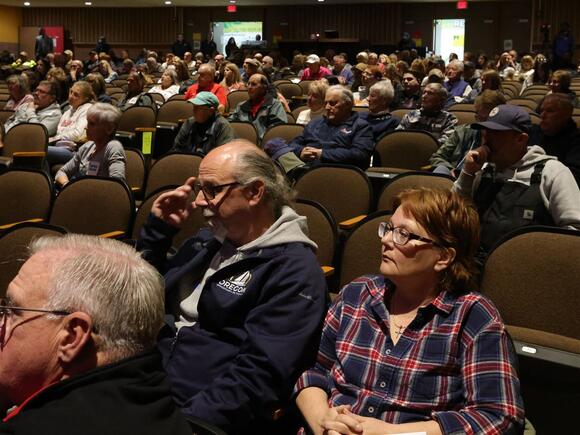
Vantage Data Centers, a leading global provider of hyperscale data center campuses, will be the end user of the one proposed at Wynn and Corduroy roads in Oregon.
The city for the last several months had been in talks with the developer, who had promised to name the end user within days.
Will Turner, of Capacity Infrastructure LLC, a site selector and intermediary developer for the project, and three representatives from Vantage made a presentation at the municipal building that provided a company overview of the project Tuesday, City Administrator Brody Walters said.
In addition to Mr. Walters, Mayor Steven Salander, Councilman Steve Hornyak who is chairman of the Economic Development & Planning Committee, Public Service Director Paul Roman, Finance Director Nick Roman, and Dean Monske, president and CEO of the regional growth partnership, attended the meeting.
“They talked about the company, and some of their priorities, including green energy and community investment,” Mayor Salander said of Vantage. “They also showed the possible layout of the three buildings in a preliminary site plan.”
An economic development agreement, and a permanent site plan must be approved by the city council before the data center moves forward. Vantage would then buy the 170-acre property, and lease space in the building to tenants, the mayor said.
“They will then rent space to the top 10 companies they deal with, something like Meta,” Mr. Salander said.
The company plans to build an electric substation as a backup to First Energy to provide electricity to the data center. The company would be responsible for paying its own utility bills, Mr. Walters said.
“At the very beginning of the meeting, they went out of their way to explain they will be paying their own way,” he said. “They said it was very important to them it’s not on the backs of the community. They’re going to pay their own electric bills. They will not ask the community to pay.”
Mark Freeman, vice president, global marketing at Vantage, said the project remains in the early phases.
“We are excited about the opportunity to further expand our presence in Ohio, and support the region’s continued economic growth and digital infrastructure needs. We look forward to sharing additional details as the planning process progresses,” Mr. Freeman said.
Vantage is also developing a data center in New Albany, Ohio. According to the company’s website, they have data centers on five continents and 41 campuses.
The data center in New Albany will provide “secure, high density digital infrastructure, cloud computing capabilities, and artificial intelligence support for major tech and enterprise firms,” according to the Vantage website.
In Oregon, the proposed $2 billion data center has had considerable opposition from the community with concerns about possible utility rate hikes, noise, and environmental impacts.
The company representatives addressed some of those concerns at the meeting, Mr. Salander said.
“They discussed ways to minimize sound, like building 8-foot earth mounds with evergreens on top of those mounds as buffers for residential housing south and east of the site, and the use of soundproof boards on the buildings’ walls,” the mayor said.
The company would support strict zoning regulations on noise at the site, Mr. Walters said.
“The data center site has two different zonings associated with it. A portion is advanced manufacturing, the other part is industrial type zoning,” he said.
“They agreed to accept the stricter zoning of the two — advanced manufacturing — and apply that to both portions of the site,” the city administrator continued. “Oregon has fairly strict standards for noise, and the company said they would accept the more strict standards, and that it was their intention to exceed those standards.”
The data center was a central issue of the mayor’s race in November. Mr. Salander defeated former Mayor Mike Seferian, who supported it.
The main draw, according to Mr. Seferian, was that the data center would add another $20 million to the $20 million in annual revenue the city collects from its 2.25-percent payroll income tax.
 Add to Preferred Sources