undefined
Posts
undefined
Followers
Man’s New Truck Repossessed Before First Payment Due
By Gary Wood,
10 days ago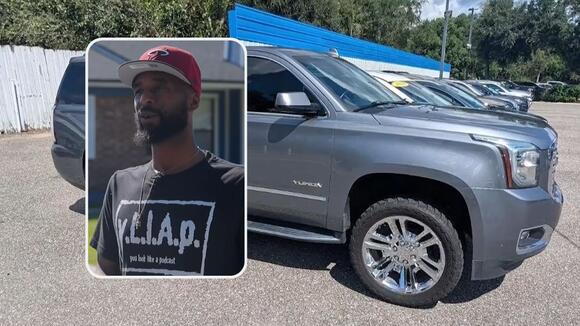
A Florida man walked outside expecting to find his recently purchased SUV in the driveway, only to discover that it had vanished. His first thought was that someone had stolen it, but police soon revealed an even more confusing explanation: the vehicle had been repossessed before his first loan payment was due.
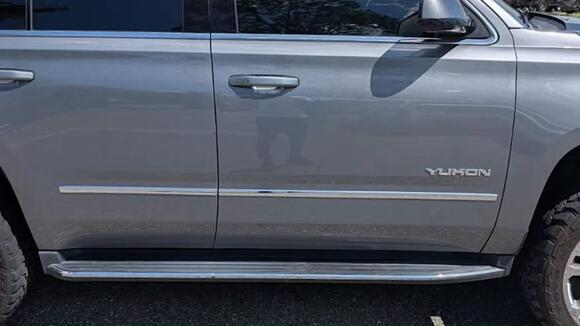
The incident involved Jacksonville resident Joel Sumlin, who had purchased a used 2019 GMC Yukon from Duval Ford. His first payment was scheduled for October 25, but the vehicle disappeared on October 6.
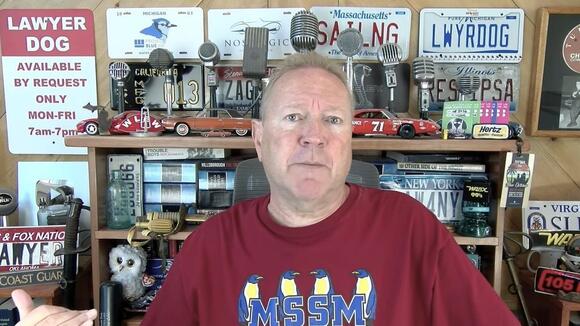
American attorney and YouTuber Steve Lehto, host of the legal commentary podcast Lehto’s Law, examined the unusual case after a viewer named Ken alerted him to an article by Moneywise writer Kit Pulliam.
Lehto explained that the repossession resulted from an undisclosed lien attached to the vehicle before Sumlin purchased it, raising questions about how the dealership had been able to sell the SUV in the first place.
SUV Disappears Before the First Payment
Sumlin initially believed he had become the victim of car theft when he noticed the empty space in his driveway.
“I just came out and I’m like, something looks different in the driveway, and I noticed the truck was gone,” he told First Coast News, according to the account Lehto discussed.
“I went into full panic mode thinking somebody stole my truck.”
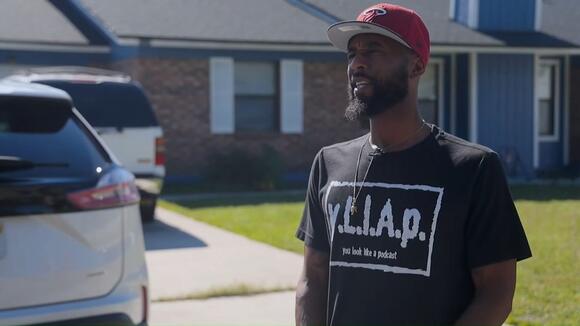
Sumlin contacted police, who informed him that the vehicle had been repossessed rather than stolen.
The explanation was especially surprising because he had not missed any payments.
His first installment was still nearly three weeks away.
The sudden disappearance created another immediate problem: several important personal belongings remained inside the SUV.
Sumlin said his driver’s license, wallet, debit card, and work badge were among the items taken with the vehicle.
The situation left him without transportation and without access to possessions he needed for daily life.
Lehto observed that repossession companies can remove vehicles quickly and without attracting attention, which helps explain why Sumlin initially had no idea what had happened.
However, the real issue was not how the SUV disappeared, but why another lender still had a legal claim to it.
Hidden Lien Traced Back to Previous Owner
According to Lehto, the Yukon had an outstanding lien when it was traded in to Duval Ford.
A lien gives a lender a legal interest in a vehicle until the debt secured by it has been satisfied.
If the previous loan remains unpaid, the lender may have the right to repossess the vehicle under applicable law, even if it has since been sold to another person.
In Sumlin’s case, the creditor was Santander Consumer, which repossessed the SUV because of the earlier outstanding obligation.
Duval Ford reportedly had not known about the lien when it accepted the vehicle and subsequently sold it.
The dealership told First Coast News that it had also been victimized by fraud.
“In this instance, Duval Ford was the victim of fraud which then caused an inconvenience to a customer,” the company stated.
Lehto acknowledged that the dealership may have been deceived, potentially through inaccurate or fraudulent ownership documents.
However, he questioned why the existing lien had not been discovered before the vehicle was sold.
He also emphasized that a dealership’s lack of knowledge does not necessarily remove its legal responsibility to the customer.
The case demonstrates how problems originating with a previous owner can affect an entirely innocent buyer, particularly when title information is not properly verified.
Dealership Provides Replacement Vehicle
Fortunately for Sumlin, the situation did not end with him losing both his vehicle and the money committed to purchasing it.
Duval Ford arranged for him to recover his personal belongings and provided him with another vehicle.
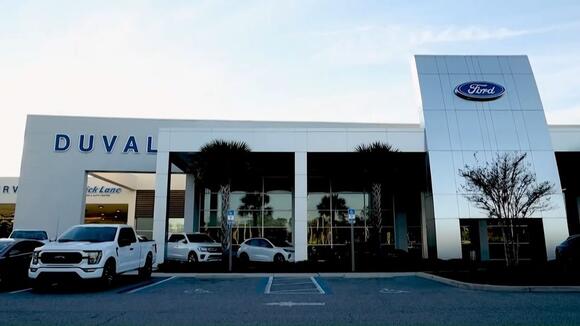
Lehto praised the dealership for resolving the immediate problem rather than leaving the customer to fight the repossession alone.
However, he also suggested the dealership had strong legal reasons to make things right.
The responsibility for dealing with the repossessed Yukon now rests with Duval Ford.
According to the account Lehto reviewed, the dealership contacted law enforcement about the suspected fraud involving the vehicle’s previous ownership.
The specific details of that alleged fraud were not established in the report.
Sumlin’s experience ended more favorably than many disputes involving undisclosed liens, but it also highlighted the importance of having a reputable seller willing to address problems after a transaction.
Lehto Explains the Warranty of Title
A central part of Lehto’s discussion concerned a legal protection that many used-car buyers may not recognize: the warranty of title.
He explained that Article 2 of the Uniform Commercial Code generally requires sellers to provide goods with valid ownership rights and without undisclosed liens or other encumbrances.
An encumbrance is a legal claim or restriction affecting property, and an outstanding vehicle lien is one common example.
If a dealership sells a vehicle that is subject to an undisclosed lien, the transaction may breach this warranty even when the dealer did not know about the problem.
Lehto compared the situation to a dealership unknowingly selling a stolen vehicle.
In either case, the seller cannot simply provide ownership rights it does not possess.
He stressed that dealerships have a professional responsibility to verify the titles of vehicles they acquire and resell.
“They didn’t know” is not necessarily a sufficient defense when a dealer has failed to deliver clear title.
Lehto also described situations from his legal career in which dealerships promised to pay off trade-in loans but failed to do so.
In those cases, previous owners continued receiving payment demands because their names remained on the original loan agreements.
Such problems show why both buyers and people trading in vehicles need confirmation that outstanding financing has actually been resolved.
How Buyers Can Protect Themselves
Lehto recommended several precautions for anyone purchasing a used vehicle, drawing on guidance from Pulliam’s reporting.
One is obtaining a vehicle history report through a service such as Carfax, which can provide information about ownership history, accidents, and other potential concerns.
However, buyers should not assume that a commercial vehicle history report alone guarantees a lien-free title.
Lehto also recommended checking title information through the Department of Justice’s National Motor Vehicle Title Information System.
Buyers can use the vehicle identification number, or VIN, to request available records for a relatively small fee.
He explained that selling a car with an existing lien is not automatically illegal, provided the lien is properly disclosed and handled during the transaction.
For example, money from the purchase can be used to satisfy the outstanding loan before the buyer receives clear ownership.
Lehto described personally arranging such a transaction earlier in his legal career.
The important point is ensuring the lender’s claim is resolved and obtaining appropriate documentation.
Buyers Can Also Complain to Dealer Regulators
For customers who discover an undisclosed lien after purchasing a vehicle, Lehto suggested contacting the dealership first and giving it an opportunity to correct the problem.
If the dealership refuses, buyers may consider filing a complaint with the state agency responsible for licensing and regulating automobile dealers.
Depending on the state, that authority may be the Department of Motor Vehicles or another regulatory body.
Lehto said he had seen regulatory complaints encourage dealerships to resolve disputes that initially appeared difficult to settle.
He also recommended consulting an attorney when necessary, although legal expenses can make smaller disputes costly to pursue.
Sumlin ultimately received a replacement vehicle, but the original repossession illustrates the risks of incomplete title verification.
As Lehto emphasized, checking ownership records is not merely a precaution for buyers. It is also a fundamental responsibility of dealerships selling used vehicles to the public.
 Add to Preferred Sources
