undefined
Posts
undefined
Followers
The Chocolate Chip Cookie Was Born at a Massachusetts Inn
By Matthias Binder,
13 days agoFew foods feel as universally familiar as the chocolate chip cookie. It shows up at school bake sales, holiday tables, and late-night kitchens across the world. Yet most people reaching for one have no idea they’re holding the legacy of a single woman, one historic inn, and a decision made somewhere in a small Massachusetts town during the 1930s.

A Cookie with a Very Specific Address

The first chocolate chip cookie was invented by Ruth Wakefield at the Toll House Inn in Whitman, Massachusetts, during the 1930s. The town sits in Plymouth County, roughly halfway between Boston and New Bedford. In 1930, Ruth and her husband Kenneth Wakefield purchased a Cape Cod-style toll house located halfway between Boston and New Bedford, on the outskirts of Whitman, Massachusetts.
The Toll House Inn was established in 1930 by Kenneth and Ruth Graves Wakefield. The building itself was much older, with roots dating back to 1709. Its location on a well-traveled route made it a natural stop for travelers, and the Wakefields built it into something of a destination.
Who Was Ruth Wakefield?

The famous chocolate chip cookie was invented by Ruth Graves Wakefield (1903–1977), a teacher and dietitian. She was not an amateur home cook filling time between guests. Ruth graduated from Framingham State Normal School with a degree in Household Arts. She worked as a dietitian in a hospital and taught Home Economics at Brockton High School for a short time.
Ruth’s formal training in the domestic arts gave her the perfect background for deciding on the inn’s menu. She brought real professional knowledge into that kitchen. Using her skills in the kitchen, Ruth Wakefield soon gained a reputation for excellent meals, especially desserts, and she enjoyed improving traditional Colonial recipes.
The Inn’s Reputation for Desserts

Ruth and her cooking assistant Sue Brides built the Toll House Inn menu and recipes into a regional attraction. Guests traveled considerable distances specifically for the dining experience. Owned by Ruth Wakefield and her husband, the inn quickly gained a reputation for its hospitality and delicious meals.
Prior to her new creation, Wakefield served a thin butterscotch nut cookie with ice cream at her restaurant. It was a reliable crowd-pleaser, but Ruth was always looking for something new to offer. She served her “Toll House Chocolate Crunch Cookie” as a free accompaniment for the restaurant’s vanilla ice cream desserts.
The Moment the Recipe Was Created
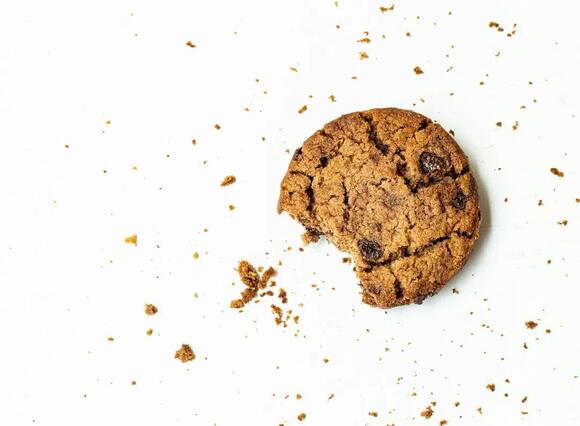
One of Ruth Wakefield’s favorite recipes was for “Butter Drop Do” cookies. The original recipe called for baker’s chocolate. While making a batch of these cookies, Ruth Wakefield substituted “bits” from a semi-sweet chocolate bar, because she did not have the baker’s chocolate.
The chocolate bar had been a gift from Andrew Nestle of the Nestle Chocolate Company. When baked, the results were not what she expected at all. The chocolate pieces retained their individual form, softening to a moist, gooey melt, and the world had its first known chocolate chip cookie.
Accident or Intention? The Debate Still Lingers

A myth holds that Wakefield accidentally developed the cookie, and that she expected the chocolate chunks would melt, making chocolate cookies. This version of the story has been repeated for decades, and it’s a good story. While there are numerous apocryphal stories about the cookie recipe’s origins, Ruth Wakefield was no amateur baker running out of ingredients. In fact, she had a degree in household arts and built Toll House’s reputation for outstanding desserts. The iconic chocolate chip cookie was likely the result of diligent testing and recipe development.
Ruth herself said she invented the cookie on purpose. She wanted to offer something new and different to her customers. She said she was trying to give them “something different” from their usual butterscotch nut cookie. The truth is probably somewhere in the middle of the two stories.
The Recipe Goes Public
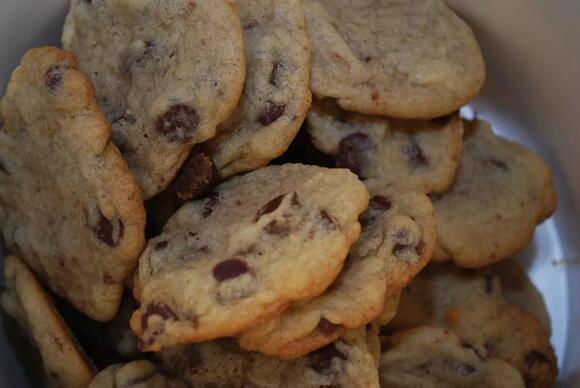
Ruth Wakefield’s cookbook, Toll House Tried and True Recipes, was first published in 1936. The 1938 edition was the first to include her famous recipe. She called it “Toll House Chocolate Crunch Cookie.”
The recipe made its way to a Boston newspaper, and as its popularity grew, so did the sale of Nestlé chocolate bars. The recipe became so popular that it showed up on Betty Crocker’s influential radio program, further cementing its reputation as America’s go-to cookie. Word spread faster than Ruth could have anticipated.
The Nestlé Deal That Changed Everything
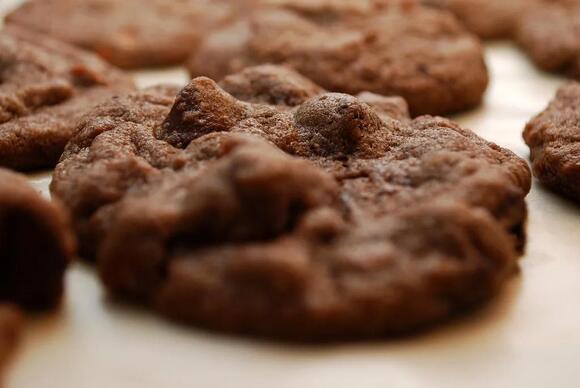
As the “Toll House cookie” became more and more popular, sales of Nestlé semi-sweet chocolate bars increased. Nestlé began packaging a special chopper to help cooks “chip” the chocolate bar. The company recognized it had something extraordinary on its hands.
In exchange for Wakefield offering Nestlé permission to print the recipe and market their semi-sweet chocolate as a key ingredient, Wakefield received a $1 payment for recipe rights, a lifetime supply of baking chocolate, and a consulting deal with Nestlé. With Ruth’s permission, Nestlé began printing the recipe on the bar’s wrapper, and in 1939, they started selling the chocolate bits on their own in bags, calling them “morsels.”
Soldiers, Care Packages, and Wartime Fame

Sue’s daughter, Peg, remembers Massachusetts soldiers fighting in World War II being sent care packages from home containing the now-famous chocolate chip cookies. The Toll House Inn began receiving letters from all over the country complimenting the treats.
Soon enough, hundreds of soldiers were writing back home, requesting the Toll House chocolate chip cookies for their own care packages. The wartime demand turned a regional specialty into something the whole country wanted. During World War II, the cookie’s popularity accelerated. Requests for the recipe multiplied, and so did demand for the specific chocolate used to make it. As sales of semisweet chocolate bars surged, Nestlé approached Wakefield about formally linking the cookie to its products.
America’s Cookie by the Numbers
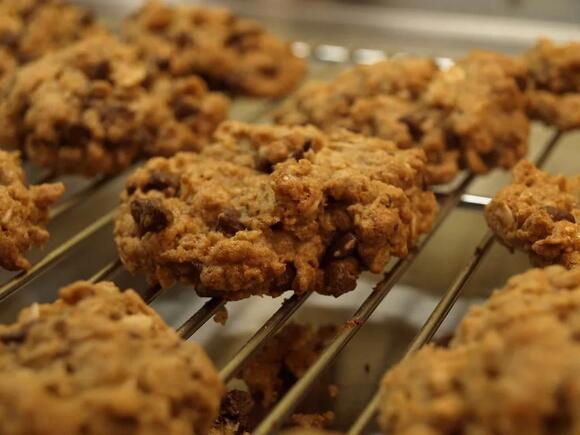
Americans consume 7 billion chocolate chip cookies annually. Chocolate chip cookies also represent nearly half of all homemade cookies baked in the U.S. Those are numbers that dwarf most other baked goods in the country.
The Chocolate Chip Cookie is the official state cookie of both Massachusetts and Pennsylvania. Massachusetts claiming it makes obvious historical sense. Chocolate chip cookies are closely associated with the United States, where they are the most popular cookie.
The Inn Burns Down, the Cookie Lives On
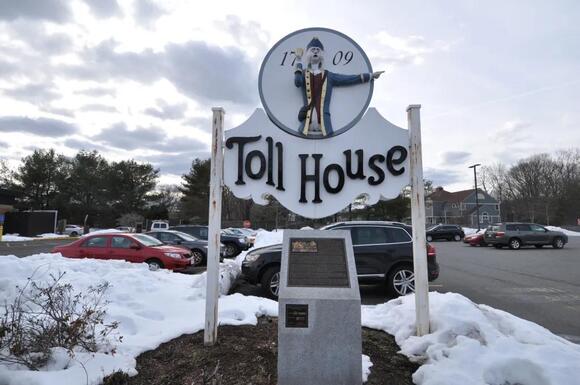
The Toll House Inn operated successfully until New Year’s Eve 1984 when a suspected arson fire destroyed the building completely. The inn was never rebuilt. Ruth herself had already been gone for several years by then, having passed away in January 1977.
Today, while retail stores occupy the site, a plaque and the restored original sign mark where Ruth Wakefield’s culinary invention transformed American baking history. The recipe, nearly identical to the original Toll House Cookie recipe, is still printed on each bag today. The inn is gone, but every bag of chocolate chips sold in America carries its name.
A Legacy Measured in Billions of Cookies
Ruth continued to cook up a storm, producing a series of cookbooks including “Ruth Wakefield’s Recipes: Tried and True,” which went through thirty-nine printings. Prior to her death in 1977, Ruth Wakefield donated her collection of cookbooks to her former school, Framingham State College. It was a quiet, fitting gesture from a woman who never sought much attention for herself.
Nearly a century later, the chocolate chip cookie remains a fixture of American kitchens, and every bag of Nestlé Toll House chips still carries the legacy of a baker who changed dessert history with a single experiment. The Toll House Inn no longer stands, but what Ruth Wakefield started in that Massachusetts kitchen is baked into everyday life in a way few inventions ever manage to be.
AI Disclaimer: This article was created with the assistance of AI tools and reviewed by a human editor.
 Add to Preferred Sources

