undefined
Posts
undefined
Followers
The U.S. State Capital Without a McDonald's
By Marcel Kuhn,
8 days agoThere’s a city in America where the Golden Arches simply do not exist. No drive-thru. No value meal. No familiar red-and-yellow sign glowing from a strip mall. While this might sound like a quirk from a small town somewhere off the beaten path, this city is actually a state capital – the seat of government for one of New England’s most beloved states. That city is Montpelier, Vermont. Its story says something interesting about small-city identity, local economics, and what a community chooses to protect.
The One Capital That Broke the Pattern
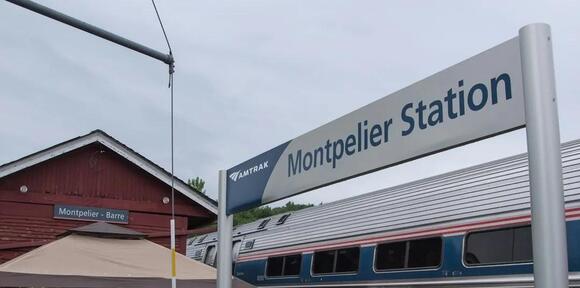
In 49 out of America’s 50 state capitals, there is a McDonald’s within the city limits. Montpelier is the single exception. Montpelier is the only state capital that has neither at least one Starbucks location nor one McDonald’s store.
The fact that every other state capital, from massive cities like Phoenix to smaller ones like Pierre, South Dakota, has at least one McDonald’s location makes Montpelier’s absence even more notable.
America’s Smallest State Capital
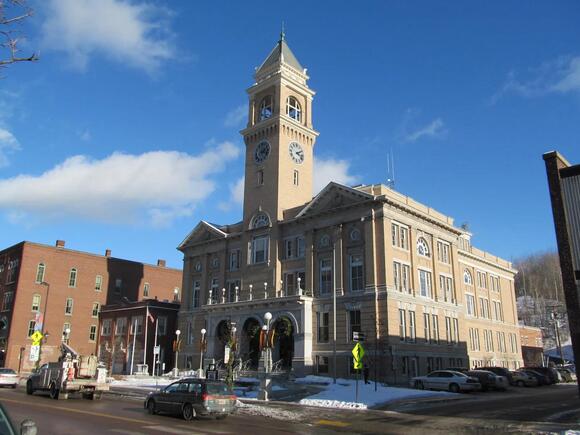
Montpelier is the capital city of the U.S. state of Vermont and the county seat of Washington County. It is the least populous state capital in the United States.
Named after the French city of the same name, Montpelier is the least populated state capital, with a population of just 7,900. That is a remarkably small number for a government seat. To be fair, it’s not as glaring an omission as it might seem – in more than half of U.S. states, the capital is actually not the biggest city.
Why There’s No McDonald’s: The Real Reasons
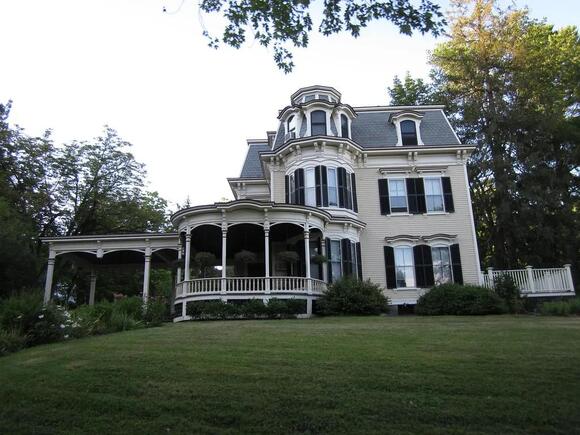
The absence isn’t due to an outright ban on fast-food restaurants. It comes down to the city’s small size and the economics of fast-food expansion. For a company like McDonald’s that depends heavily on high-traffic volume, these low numbers can make the location far less attractive from a business standpoint.
One prevailing theory attributes Montpelier’s McDonald’s deficiency to the city’s unique blend of local values and zoning regulations. Vermont as a whole is renowned for its commitment to sustainability and support of local businesses, and Montpelier is no exception.
The Time Someone Actually Tried to Bring McDonald’s Here
In 1996, McDonald’s applied to open a store on Montpelier’s main drag, but the city’s planning commission said no. Someone did try to spare Montpelier’s residents from making the nearly four-mile trek to Barre every time they wanted some McNuggets – Jeff Jacobs tried to bring a McDonald’s to Montpelier in 1995, into a historic downtown building, but the city denied the request.
Over the years, the idea of opening a McDonald’s in Montpelier has occasionally surfaced, but it has never materialized into an actual restaurant. The community’s resistance has been consistent and clear.
It’s Not Just McDonald’s
Montpelier is the only U.S. capital city that doesn’t have a McDonald’s or Starbucks within its city limits, and there aren’t any Burger Kings or Walmarts in the city either.
Montpelier doesn’t have any other chain businesses like Walmart or Burger King; instead, it focuses on and emphasizes small local companies to supply the city’s integrated economy. It’s a pretty consistent stance, not a coincidence.
The Nearest McDonald’s Is Closer Than You Think
The nearest McDonald’s and Starbucks to Montpelier are located in the city of Barre, VT, just a 12-minute drive away. So residents aren’t exactly stranded.
There is a McDonald’s three miles down the road from Montpelier in Barre, Vermont, but Barre, although nearby, is politically distinct from the state capital. That boundary matters when it comes to the distinction Montpelier holds.
How Vermont Compares to the Rest of the Country
Vermont also has the distinction of having a grand total of only 27 McDonald’s in the entire state, out of a total of nearly 16,000 branches nationwide. Along with Alaska, Wyoming and North Dakota, Vermont has the least number of such establishments in the United States.
Baton Rouge, Louisiana, by contrast, has 23 McDonald’s locations in a single city. The difference in scale between Vermont’s whole-state count and one Louisiana capital’s count is striking. Pierre, South Dakota and Juneau, Alaska are close seconds with only one McDonald’s each, while Augusta, Maine, Helena, Montana, and Frankfort, Kentucky have two each.
A State That Rejects Corporate Visual Clutter, Too
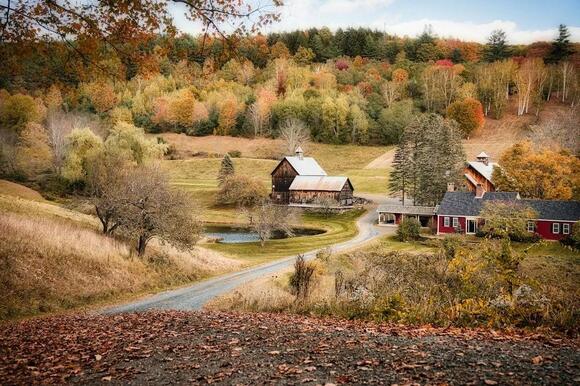
Fifty-five years ago, Vermont became the first state in the United States to ban roadside billboards. In 1968, this law narrowly passed the Vermont Legislature and roadside billboards began to disappear from the state’s landscape.
Vermont joins Alaska, Hawaii, and Maine as one of four states to ban billboards, and billboard-free Vermont boasts a three-billion-dollar tourism industry. The philosophy runs deep: keep Vermont looking like Vermont.
What Montpelier Eats Instead

Despite the absence of McDonald’s, Montpelier residents enjoy a wealth of dining options that cater to diverse tastes and dietary preferences. From cozy cafes serving organic coffee and pastries to upscale restaurants highlighting Vermont’s agricultural bounty, Montpelier’s culinary landscape reflects the city’s commitment to quality, sustainability, and community.
In terms of restaurants, Montpelier offers everything from Italian and Thai food to farm-to-table American fare and classic Vermont comfort food. Montpelier reflects Vermont’s well-known ethos of emphasizing local businesses and farm-to-table dining. Many locals take pride in maintaining a food scene dominated by small businesses rather than national chains.
A Point of Civic Pride, Not Just a Fun Fact
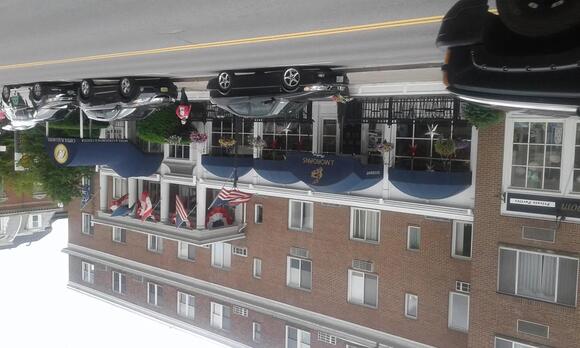
In many ways, Montpelier’s lack of a McDonald’s has become part of its identity. The lack of a McDonald’s is a fun fact about Montpelier, but what stands out more is its historic downtown and abundance of independent businesses for a city its size.
Montpelier is home to the most significant historic urban district in Vermont and has plenty for visitors and natives to do. Montpelier was selected as state capital in 1805, and citizens of the town donated funds to build the first state house. That civic investment clearly hasn’t faded.
What Montpelier’s Choice Tells Us
AI Disclaimer: This article was created with the assistance of AI tools and reviewed by a human editor.
 Add to Preferred Sources

