undefined
Posts
undefined
Followers
Four States Ban Candy and Soda for SNAP Users
By Lucas Hayes,
2026-05-18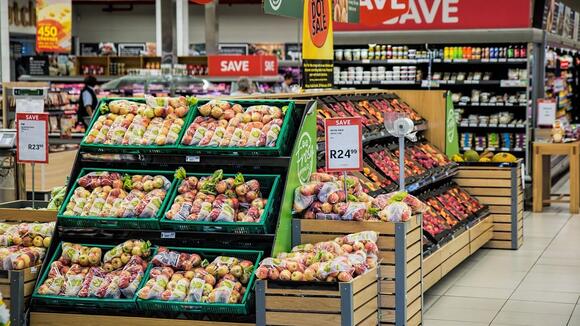
Sugar Crackdown: 4 States Ban Candy & Soda for SNAP Users – Are More Restrictions Coming? – Image for illustrative purposes only (Image credits: Pixabay)
Families who rely on SNAP benefits are encountering new limits at checkout counters across several states this year. What once counted as an ordinary grocery purchase now triggers questions or outright refusals for items such as soda and candy. The changes mark a shift in how public food assistance is administered, with direct effects on daily shopping routines for millions of households.
States Already Enforcing New Limits
Indiana, Iowa, Idaho, and Utah have moved ahead with restrictions on sugary items paid for through SNAP. Indiana blocks soft drinks and candy outright. Idaho applies similar limits to the same categories. Iowa took a wider approach by excluding many taxable snack foods, which effectively removes soda, candy, and several other processed items from eligible purchases. Utah narrowed its initial plan and now focuses on sugary soft drinks while leaving candy definitions for later review.
These early rollouts began in 2026 and serve as the first real-world tests of the policy. Retailers in each state must update their systems to flag restricted products, and SNAP users are learning which items no longer qualify.
More States Prepare to Follow
Additional states have received federal approval to introduce comparable rules over the coming years. Arkansas, Texas, Louisiana, Missouri, Nebraska, North Dakota, South Carolina, and Tennessee are among those scheduled for phased implementation through 2028. Some will target only beverages, while others plan to include candy, energy drinks, and certain desserts.
Arkansas, for instance, intends to prohibit sugary drinks, candy, and selected sweetened beverages starting July 1, 2026. Federal officials are treating these efforts as pilot programs to track spending patterns and health outcomes before considering wider adoption.
Everyday Confusion at the Register
Product definitions vary from one state to the next, creating practical problems for both shoppers and store staff. A chocolate bar containing flour may remain eligible in one location while an identical item without flour is blocked in another. Flavored sparkling waters and certain sports drinks face inconsistent treatment depending on how individual retailers interpret the guidelines.
SNAP recipients have described moments of embarrassment when items are declined without advance notice. Store managers worry about accidental violations that could jeopardize their ability to accept EBT payments. These day-to-day frictions add time and stress to trips that many families already plan carefully around limited budgets.
Health Goals Versus Practical Concerns
Supporters maintain that limiting taxpayer-funded purchases of low-nutrition items can support better eating habits and help address rising rates of obesity and diabetes. They note that sugary beverages offer little nutritional value yet contribute significantly to chronic health conditions. Officials in participating states argue that SNAP was designed to promote nutrition, not to subsidize ultra-processed snacks.
Critics counter that the rules place extra burdens on low-income households while leaving higher-income shoppers unaffected. Many families already use cash for occasional treats, so the restrictions may simply shift spending rather than change behavior. Advocacy groups have raised questions about fairness and have begun legal challenges in several states, pointing to inconsistent rules and unclear definitions.
What Comes Next for the Program
Federal agencies are collecting data on purchasing changes, retailer compliance, and any measurable health effects from the current pilots. Lawmakers in some states are already discussing whether to expand limits beyond soda and candy to include other heavily processed foods. The outcome of these early efforts will shape whether similar restrictions appear in additional states over the next several years.
For households that depend on SNAP, the immediate result is a more complicated shopping experience whose long-term effects on diet and health remain under study.
 Add to Preferred Sources


