undefined
Posts
undefined
Followers
Oklahoma to expand tech-driven feral hog, eastern redcedar tree removal
By Anna Pope,
6 days ago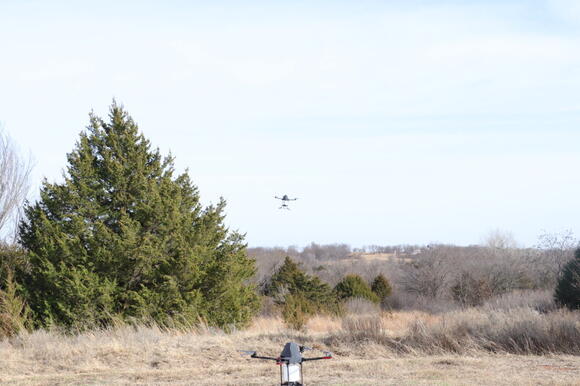
Oklahoma is getting federal funding for projects to reduce feral hog and eastern redcedar populations.
The Cimarron, Neosho and North Canadian Feral Swine Eradication and Control Pilot Program is receiving about $2.2 million through the USDA’s Feral Swine Eradication and Control Pilot Program.
The Oklahoma project will focus on three areas and involves deploying remote-monitored smart trapping systems for hogs and rehabilitating damaged cropland, stabilizing eroded streambeds and repairing fencing and water infrastructure.
Estimates suggest 600,000 to 1.5 million wild hogs in Oklahoma, according to the Oklahoma Department of Wildlife Conservation. The invasive animals compete with native species, transmit disease and destroy property.
“Through coordinated federal-state partnership, modern technology, and landowner engagement, Oklahoma is advancing a proactive, landscape-scale approach to feral swine management—one that strengthens the environmental and economic foundations upon which Oklahoma agriculture depends,” according to the USDA’s pilot projects page.
A project through the Oklahoma Conservation Commission also received a federal Conservation Innovation Grant award totaling about $789,000.
The Grass-Ag Agnostic Geo-Spatial Mapping Software System project is through the Oklahoma Conservation Commission. The project will continue developing and expanding Grass-Ag to map invasive species, evaluate plant health, and gauge crop nutrient and water stress – all with a focus on woody plant encroachment.
Earlier this year, conservationists used the technology to scan land and treat cedar trees with drones carrying pesticide pellets.
Eastern redcedars slurp up billions of gallons of water, take over native habitat and cause wildfires to burn hotter for longer. In a press release, Trey Lam, commission executive director, said the money will help improve their understanding of the threat wood encroachment poses.
“We are excited to work with Grass-Ag to gain new insights and use new technologies to strengthen our fight against invasive woody species," Lam said in the release.
 Add to Preferred Sources

