undefined
Posts
undefined
Followers
EMS Week 2026: Modern EMS Is Far More Than an Ambulance Ride
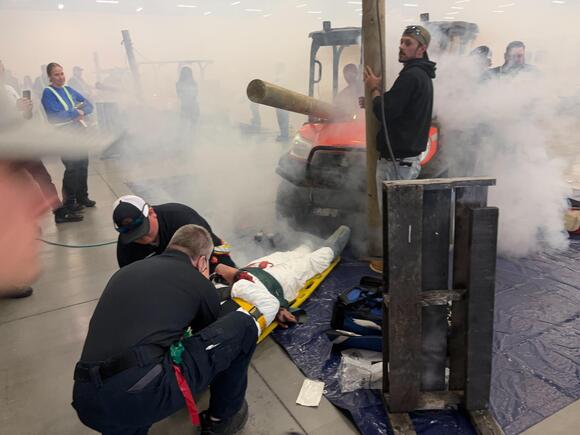
JOHNSON CITY, Tenn. - National EMS Week 2026 is underway, running May 17–23 under the official theme “Improving Outcomes, Together,” according to the American College of Emergency Physicians and the National Association of Emergency Medical Technicians, which coordinate the annual observance.
For most people, EMS Week means social media tributes, station cookouts, challenge coins, and thanking EMTs and paramedics for the work they do every day. Those gestures matter. Emergency medical personnel work long hours under difficult conditions while responding to everything from heart attacks and severe trauma to overdoses, strokes, mental health emergencies, and natural disasters.
But EMS Week should also serve another purpose: helping the public understand what modern EMS has actually become.
For many Americans, emergency medical services are still viewed through the lens of the 1970s television show Emergency!, where paramedics Johnny Gage and Roy DeSoto raced to scenes, stabilized patients, and transported them quickly to the hospital. The show helped introduce paramedics to the public and inspired generations of EMS professionals.
The problem is that today’s EMS environment barely resembles that world anymore.
Modern EMS is no longer simply transportation with first aid attached. Today’s paramedics and critical care crews operate in a highly technical mobile healthcare environment that increasingly resembles emergency departments and intensive care units on wheels.
According to the National Highway Traffic Safety Administration’s Office of EMS, EMS systems now play critical roles not only in emergency response but also in public health, disaster preparedness, and healthcare system coordination.
Many advanced EMS crews routinely perform and interpret 12-lead electrocardiograms in the field to identify heart attacks before hospital arrival, allowing hospitals to activate cardiac catheterization labs sooner and improve patient outcomes. Critical care transport teams manage ventilators, medication infusions, and critically ill patients who once rarely left intensive care units during transport.
Some EMS systems across the country have also begun carrying and administering blood products in the field for patients suffering severe traumatic hemorrhage. The practice, once largely associated with military medicine and trauma centers, is now expanding into civilian EMS systems because of growing evidence that earlier blood administration can improve survival in critical trauma patients. Organizations such as the National Association of Emergency Medical Technicians and numerous regional trauma programs have increasingly highlighted the growth of prehospital blood programs nationwide.
Meanwhile, community paramedicine initiatives continue expanding in many states, with EMS clinicians helping manage chronic illnesses, conduct wellness checks, reduce avoidable emergency department visits, and provide follow-up care after hospital discharge.
The technology behind modern EMS has evolved dramatically as well.
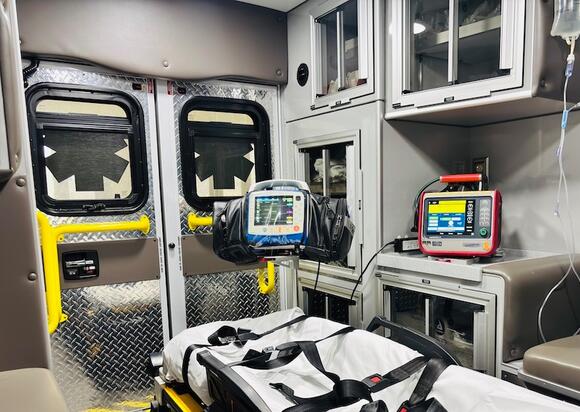
Today’s ambulances are equipped with advanced cardiac monitors, transport ventilators, infusion pumps, power-load stretcher systems, electronic reporting systems, and sophisticated communications equipment. Replacing a frontline ambulance can now cost several hundred thousand dollars before staffing, training, fuel, medications, insurance, and maintenance are even considered.
Yet much of the public still sees EMS primarily as “the ambulance service.”
That misunderstanding matters.
EMS agencies across the United States continue facing staffing shortages, burnout, recruitment problems, reimbursement challenges, and rising call volumes. At the same time, EMS increasingly absorbs healthcare demands that once fell to primary care offices and clinics, particularly in underserved or rural communities.
EMS Week provides one of the few opportunities each year for agencies to not only recognize their personnel but also educate the public and policymakers about the realities facing modern EMS systems.
Recognition is important. Providers deserve appreciation for the difficult work they perform every day.
But understanding matters too.
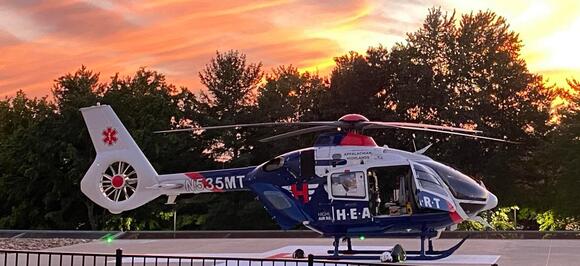
Communities that better understand the sophistication, cost, and complexity of modern EMS are more likely to support sustainable funding, workforce development, updated equipment, and programs that improve patient outcomes long before someone reaches the hospital.
Johnny and Roy helped introduce America to paramedics more than fifty years ago. Today’s EMS professionals are carrying blood products, managing ventilators, transmitting cardiac data directly to hospitals, and operating in ways that would have seemed almost unimaginable in the early days of the profession.
EMS Week is a reminder that emergency medical services have evolved far beyond the public image many people still carry in their minds — and that the future of EMS depends not only on recognizing providers, but understanding what they truly do.
 Add to Preferred Sources
