undefined
Posts
undefined
Followers
A Houston Postal Worker Built an Entire Attraction Dedicated to Oranges
By Kathy Haan,
16 hours ago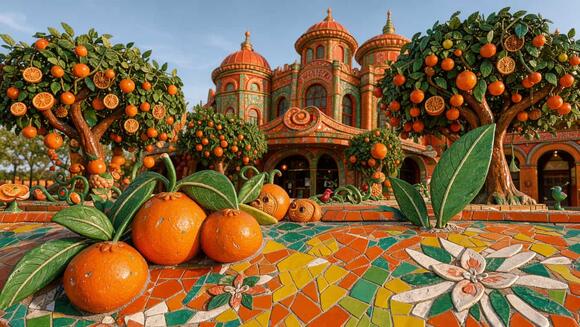
The Orange Show is a hand-built folk-art landmark in Houston for visitors curious about unusual, up-close art. A folk art environment is a site-specific work built over time by an individual using found or discarded objects. This one grew from a personal vision, not a museum plan.
In Houston’s East End, the landmark offers a different kind of art visit: close, winding, and full of things to notice. You can learn what makes it distinctive, understand its current access limits, and decide whether an outside view fits your plans.
Its small scale makes it easier to take in than a large museum, though the handmade details invite a slower look. You do not need an art background to enjoy its odd shapes, bright colors, or unusual setting. Its creator’s personal vision is what makes the place unlike a conventional museum.
Key Takeaways
- Jeff Davis McKissack created the landmark.
- The Orange Show is in Houston’s East End.
- The site blends art with a personal message about oranges.
- Indoor visits are paused during restoration.
- You can view the monument from outside at 2441 Munger St.
Who Built the Orange Show Houston, and Why?
Retired Houston postman Jeff Davis McKissack spent more than two decades turning a personal idea into a public attraction. He worked on the orange show at 2401 Munger Street from 1956 until May 1979. His long, solo project grew from an idea he chose to share with Houston.
Born on January 28, 1902, McKissack worked as a Houston postman until he retired in 1966. He opened the attraction on May 9, 1979, then died of a stroke on January 26, 1980. His death came less than a year after the public opening.
His death left a handmade landmark without its maker. In 1981, 22 citizens formed the Orange Show Foundation to preserve the property. The restored monument reopened in September 1982, giving the public a way to keep experiencing his creation.
Local support turned a personal project into a landmark that could outlast its creator.
The nonprofit organization is now called the Orange Show Center for Visionary Art. It preserves the monument and runs folk-art programs across Houston. Those programs include workshops, music, storytelling, performances, and the Houston Art Car Parade.
The monument joined the National Register of Historic Places on November 21, 2006. That status recognizes its place in the country’s historic record. Houston supporters kept the monument alive after McKissack’s death.
What Can You See Inside the Orange Show?
Across 3,000 square feet, the Orange Show combines winding paths with stages, seating, and colorful handmade details. The maze-like folk art environment sits in Houston’s East End, just off the Gulf Freeway. Every turn brings a different view of its art and objects.
Concrete, brick, and steel form a sturdy frame for its many details. Two performance stages and amphitheater seating give the compact site places for events. Hand-cut metal birds and whirligigs add movement and shape to the setting.
A maze of stages, decks, and displays
Visitors move along winding paths through connected spaces, rather than through a straight gallery. The routes lead past displays and open views of the stages. Upper decks add another level to explore, with sightlines down into the maze.
The two stages support performances, while amphitheater seating gives visitors a place to sit. Some seats are set around performance areas, making the displays feel close at hand. Look for the hand-cut birds overhead and whirligigs among the visual details.
Found objects turned into architecture
McKissack worked everyday and salvaged objects into the structure itself. Decorative tile carries tiled messages, while ornamental fencing serves as a decorative feature. The mix makes the building feel built by hand, not designed from a standard plan.
Tractor seats become seating around performance areas, and metal buggy wheels remain visible as found objects. Their unusual uses are part of what makes the place fun to inspect. See how these details fit into the structure:
| Found object | Documented use or form | What visitors can notice |
|---|---|---|
| Decorative tile | Tiled messages | Colorful tilework |
| Ornamental fencing | Decorative feature | Ornamental metal fencing |
| Tractor seats | Seating | Seats mounted around performance areas |
| Metal buggy wheels | Incorporated found object | Visible metal wheels |
Look up as well as along the paths, since the monument includes upper decks.
How Did Oranges Shape McKissack’s Vision?
McKissack built the Orange Show to make his conviction about oranges, good nutrition, and energy visible. He treated the fruit as a personal symbol of health and strength. That belief shaped both the theme and the displays.
His interest began after he transported oranges from Florida during the Great Depression. The fruit became more than a subject for decoration. He saw oranges as a source of energy and a sign of good nutrition.
The displays turn that outlook into a message visitors can read and see. Slogans and scenes make oranges the focus, while the surrounding setting gives the ideas a physical form. The bright fruit is both the monument’s subject and the thread connecting its different displays.
McKissack also privately published How You Can Live 100 Years And Still Be Spry in 1960. The book fits with his interest in long life and the food he believed could support it. His words and visual art came from the same personal point of view.
His claims reflect his own convictions, not tested medical guidance. The monument records what McKissack believed about fruit and nutrition, rather than giving visitors a diet plan. Read the displays as a record of McKissack’s personal philosophy, not as health advice.
How Can You Visit the Orange Show Now?
The Orange Show is not open for indoor visits during restoration, but you can view the monument from outside. For an exterior look, use 2441 Munger St., Houston, TX 77023. The site sits in Houston’s East End, just off the Gulf Freeway.
Keep the addresses distinct: McKissack worked at 2401 Munger Street, while 2441 Munger St. is the stated viewing address. Tickets for indoor entry are not available during restoration. An outside view is the visit option at present.
Address and exterior viewing
You can see the monument from outside without entering the site. The street view gives you a chance to notice its unusual shape and colorful details from the public side. Plan for an exterior visit, not a walk through the winding interior.
The Orange Show Houston tickets search often points visitors toward admission details, but indoor tickets are unavailable during restoration. Past hours do not describe current entry. The same rule applies if you are looking up Orange Show Houston in 2021: dated trip details do not change today’s restoration closure.
Planning around restoration
Use this short checklist to keep your plans realistic:
- Treat the visit as exterior-only during restoration.
- Use 2441 Munger St. as the viewing address.
- Do not plan around old indoor hours.
- Allow 1-2 hours for an interior visit when the monument is open.
A visitor listing gives an interior visit duration of 1-2 hours for times when the monument is open. That estimate is useful for a future visit, but it does not mean the site is currently open. Check the current restoration status before you build an indoor stop into your day.
Use the Gulf Freeway as a broad landmark, then navigate to the Munger Street viewing address.
What Do Visitors Say About the Orange Show?
Visitor ratings are positive overall, but the small and differently sized samples matter when you compare them. Tripadvisor lists 4.0 out of 5 from 57 reviews. WhichMuseum’s score is 4.51, based on just one rating.
The single-rating score cannot stand for a broad visitor consensus. Tripadvisor’s larger set offers more individual views, though 57 reviews still represent a limited sample. The written reactions point to a memorable handmade place, but visitors differ on how much there is to explore.
Many visitors respond to the unusual folk art atmosphere and the way everyday objects appear in unexpected roles. The setting feels unlike a standard museum room. Its handmade quality can be a highlight for people who enjoy looking closely at details.
Reactions to the amount of material vary. Some visitors find plenty to examine in the maze, while others may expect a larger attraction. A review score cannot show how long someone stayed or what kind of art they enjoy.
Tripadvisor divides its 57 reviews across five rating groups:
| Tripadvisor rating category | Review count | Bubble score |
|---|---|---|
| Excellent | 22 | 5 |
| Good | 21 | 4 |
| Average | 7 | 3 |
| Poor | 4 | 2 |
| Terrible | 3 | 1 |
The review mix includes praise and less favorable reactions, rather than one shared response. Treat each score as a snapshot, and check the number of ratings before reading it as a consensus.
Is the Beer Can House Worth Adding Nearby?
The Beer Can House makes a natural companion stop for visitors interested in Houston’s handmade folk art. John Milkovisch began changing his house in 1968 and spent the next 18 years covering it with flattened beer cans. More than 50,000 cans are estimated to adorn the house.
The Orange Show turns McKissack’s interest in oranges into a maze of displays. Milkovisch made his own home the artwork, with beer cans covering its exterior. The contrast gives you two very different takes on personal folk art.
The Beer Can House is at 222 Malone St. in Houston’s Rice Military neighborhood. It is open Wednesday through Sunday from 10 a.m. to 4 p.m., and admission is free. Its can-covered walls make the home’s surface part of the art.
Use this quick reference when planning the stop:
- Address and neighborhood: 222 Malone St., Rice Military, Houston
- Hours: Wednesday-Sunday, 10 a.m.-4 p.m.
- Admission: Free
- Construction: Began in 1968 and continued for 18 years
Milkovisch’s long home project suits visitors drawn to unusual roadside and neighborhood landmarks. You can find more ideas among offbeat roadside attractions, including hand-built sites beyond Houston. The two Houston stops differ in subject, but both turn everyday materials into a personal vision.
Plan these as distinct art stops, not as two versions of the same attraction.
The two sites show how found materials can become personal, unmistakable architecture.
Conclusion
The Orange Show’s lasting appeal is the way one person’s belief became a place you can see and explore. McKissack made oranges and his ideas about health tangible through a singular Houston landmark. Its handmade details invite a close look, even from outside.
The site also shows how personal art can become part of a city’s story. Save 2441 Munger St. as a Houston map stop for an exterior look.
FAQ
Is the Orange Show a good stop if I only have an hour?
An hour works for an exterior look, but an indoor visit usually takes about 1-2 hours when the monument is open. Restoration currently limits visits to the outside. You can still stop at the Munger Street viewing address, though you cannot explore the interior paths or displays during the closure.
Can children visit the Orange Show?
Yes, children can enjoy the Orange Show when public entry is available. McKissack intended his message for visitors of all ages, and the unusual shapes and displays can interest younger guests. Public entry is closed during restoration, so families can currently view the landmark only from outside.
Is the Orange Show accessible for visitors with mobility needs?
The facility is listed as ADA accessible, but restoration limits public access. Accessibility for an indoor visit depends on the route and entry conditions available when the monument reopens. Before planning an interior visit, confirm those details with the Orange Show Center for Visionary Art.
Can you see the Orange Show without going inside?
Yes, visitors can view the monument from outside at 2441 Munger St. while it is closed during restoration. The exterior visit does not include access to the interior paths, stages, or displays. Set the viewing address as your destination so you arrive at the correct Munger Street location.
Is the Beer Can House open on Mondays?
No, the Beer Can House is closed on Mondays and Tuesdays. It is open Wednesday through Sunday from 10 a.m. to 4 p.m., with free admission. Its Rice Military location makes it a separate Houston stop, so plan travel time between it and other attractions.
 Add to Preferred Sources
