undefined
Posts
undefined
Followers
13 North Carolina Landmarks That Almost Got Torn Down (and Who Saved Them)
By Jon Dykstra,
4 days ago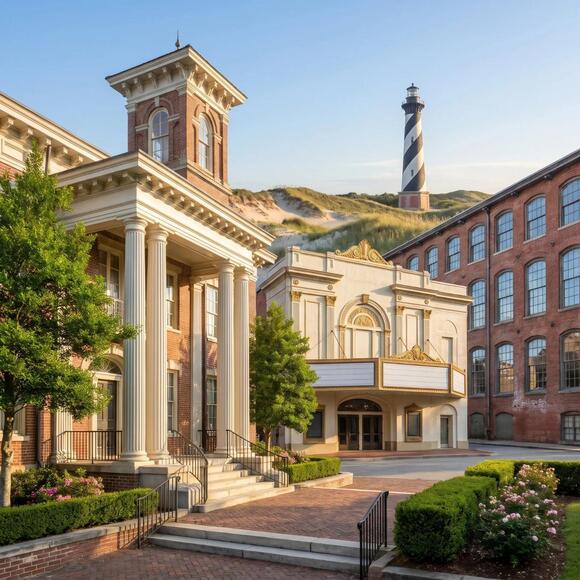
A bulldozer idled in front of a sand dune on the Outer Banks in 1973, and one person stood in the way. That’s preservation in North Carolina, over and over. A wrecking ball scheduled, a deadline looming, and then somebody who couldn’t stand to watch a building or a neighborhood or a dune disappear. These are the places that got a second chance because a lawyer rallied a town, or a church fought a highway, or a museum came apart stone by numbered stone and went back up somewhere else. Here’s where you can still walk through what was almost gone.
13. Mint Museum Randolph, Charlotte: The Building Moved Stone by Stone
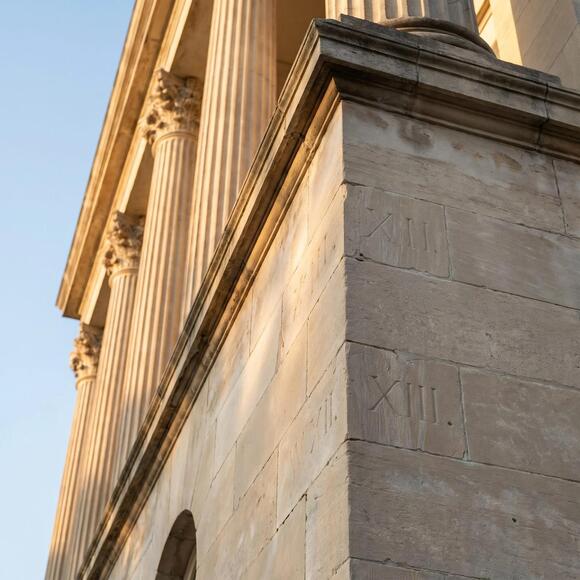
Here’s a fact that sounds made up. This building used to stand in uptown Charlotte, and in the 1930s crews took it apart stone by stone, numbered each one, and rebuilt the whole thing a few miles away in Eastover. That’s what saving it took.
It opened in 1837 as the first branch of the U.S. Mint outside Philadelphia. When a post office expansion put it in line for demolition in 1933, lawyer Julia Alexander rallied residents while Mary Myers Dwelle led the push to turn it into an art museum. It opened as the Mint Museum of Art in 1936 — North Carolina’s first.
History Corner: Dismantling and relocating a stone building was no small feat in 1933. Federal relief money footed much of the bill, which is why the Mint is as much a Depression-era story as an architectural one.12. Blandwood Mansion, Greensboro: The Tower That Launched a Thousand Houses
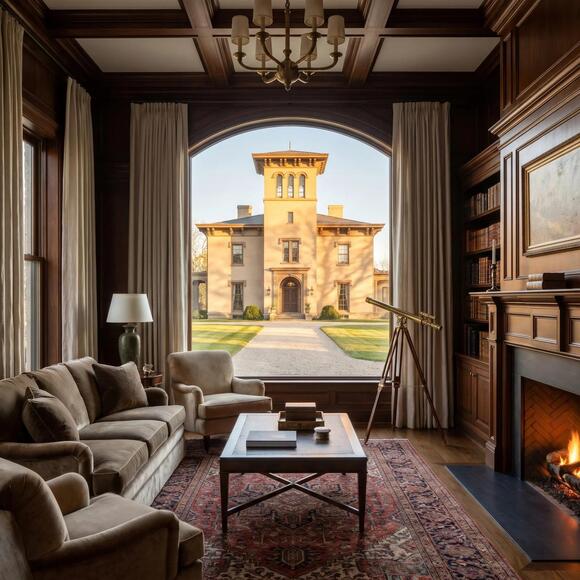
That central tower changed American houses. Architect Alexander Jackson Davis put it there, and builders across the country copied it for their Italianate homes.
Blandwood was the family home of Governor John Motley Morehead, at 447 West Washington Street. Before it was a museum it spent years as the Keeley Institute, a rehab center, until 1961. Greensboro preservationists saved it from demolition in the mid-1960s, it opened to the public in 1976, and Preservation Greensboro runs it now. Worth the stop if you care where a whole style of house came from.
11. International Civil Rights Center & Museum, Greensboro: The Lunch Counter Still Stands
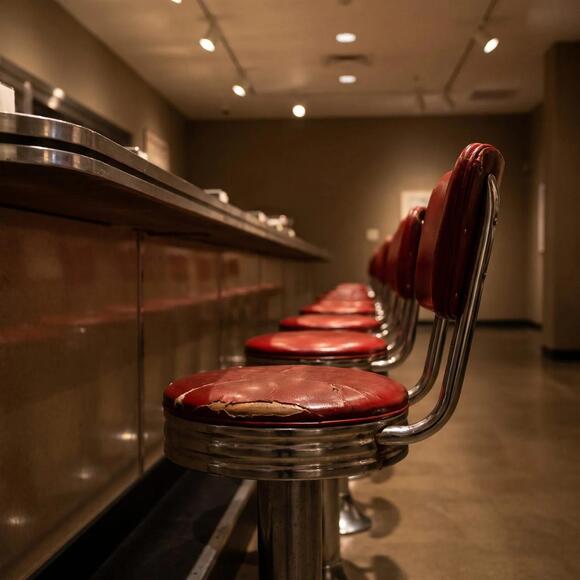
Four N.C. A&T students sat down at this lunch counter in 1960 and wouldn’t leave. The sit-in that followed is one of the reasons the civil rights movement moved the way it did.
Woolworth closed the counter in 1993, the store followed in January 1994, and the building was headed for demolition. Skip Alston and city councilman Earl Jones co-founded Sit-In Movement Inc. to stop it. Days before the store closed, First Citizens Bank agreed to sell. The museum opened in 2010 — fifty years to the day after the sit-ins — and was named a National Historic Landmark in December 2024.
Did You Know: The actual counter where the four students sat is preserved inside the museum. You’re not looking at a replica. You’re standing where it happened.10. Old Salem, Winston-Salem: A Grocery Store Almost Won
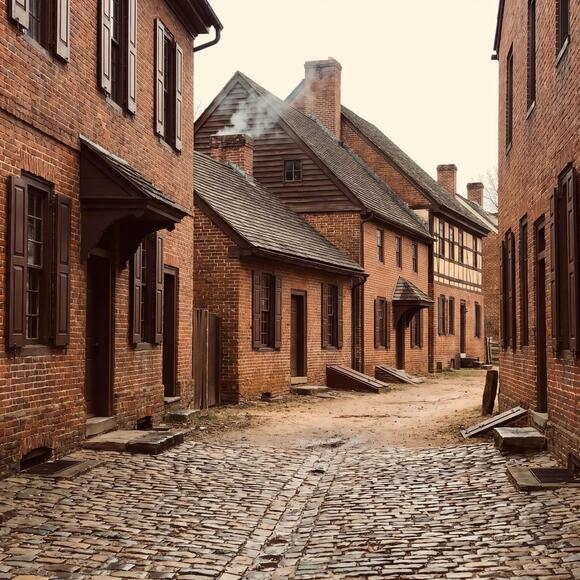
In 1947 a grocer bought a vacant lot — the original site of the Moravian ‘Fifth House’ — to put up a bigger store, and just like that the historic heart of Salem was on the line.
The Citizens Committee for the Preservation of Historic Salem held its first meeting on October 29, 1947. Winston-Salem zoned Salem as a historic district the next year. Volunteers founded Old Salem, Inc. in 1950 to restore and rebuild the Moravian houses, and in 1966 it became the first district created under North Carolina’s new historic-district law. Today it’s Old Salem Museums & Gardens, a full living-history town you can walk through.
9. Carolina Theatre of Durham: Saved From Becoming a Parking Deck
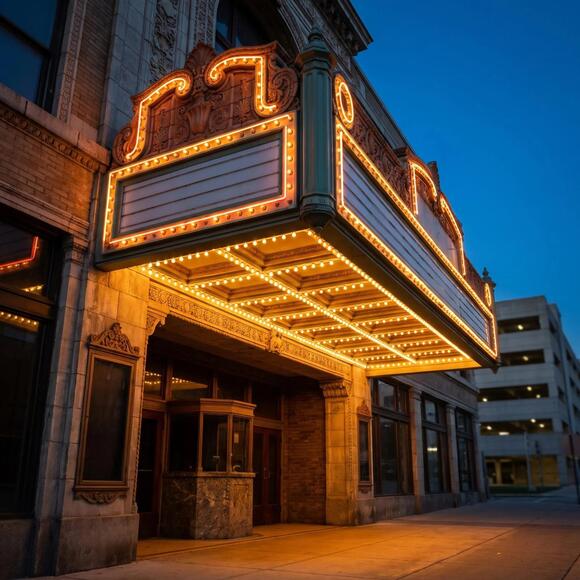
A parking deck. That’s what this theater was slated to become in 1977.
Connie Moses heard the news and told the Durham Sun, ‘That I can’t take.’ She and her husband Monte organized the pushback, and the building became an art-house cinema instead. It closed in 1988 for renovation and reopened on February 2, 1994 with its 1920s look restored. The nonprofit still runs it, and in 2016 it paid off a $1.7 million deficit seven months early — which tells you how seriously the people who saved it took the job.
Editor’s Note: ‘That I can’t take’ might be the best sentence in this whole article. Preservation almost always starts with one person who simply cannot stomach the loss.8. Carolina Theatre, Greensboro: The Showpiece of the Carolinas
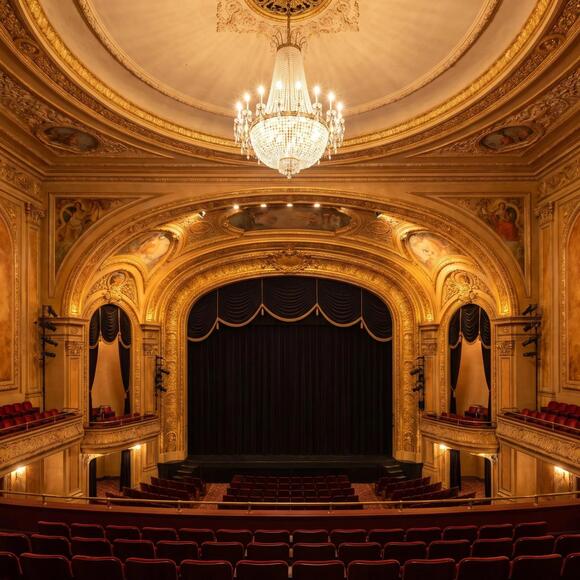
Billed as ‘the showpiece of the Carolinas’ when it opened in 1927, this one was left to decline until Jefferson Pilot Corporation drew up plans to tear it down.
The United Arts Council of Greensboro — now ArtsGreensboro — saved it in 1975 with a half-million-dollar campaign. It reopened as a community and performing arts center in 1978, survived an interior fire in 1981, and wrapped a full restoration with a capital campaign in 1991. A nonprofit owns and runs it today. Fire, decline, demolition plans: it got through all three.
7. Cape Hatteras Lighthouse, Buxton: They Moved an Entire Lighthouse
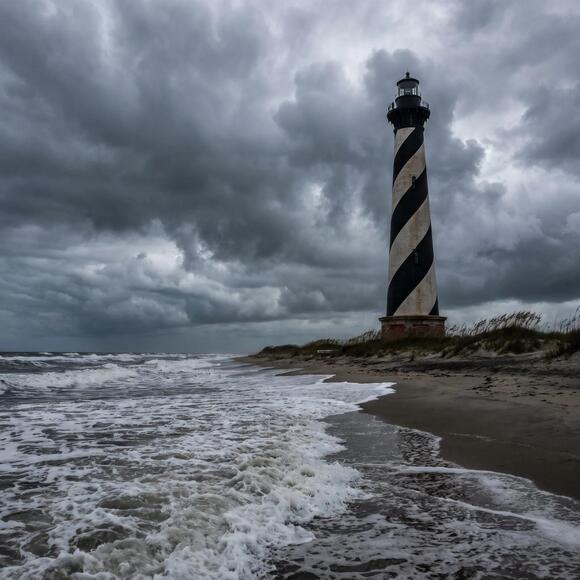
When it was finished in 1870 the lighthouse stood 1,500 feet from the ocean. By 1970 the waves were 120 feet away. The sea, not a wrecking crew, was the threat here.
So in 1999 the National Park Service moved the whole thing. The 198-foot tower — the tallest brick lighthouse in the country — plus seven historic structures rolled 2,900 feet inland. The 23-day move finished on July 9, putting it back a safe 1,500 feet from the water.
One heads-up before you drive out there. A $19.2 million restoration that began in late 2023 was still going as of the July 2026 NPS update. The 269-step climb is closed during the work, though the park store, restrooms, and parts of the grounds stay open. Check the NPS site before you go.
By The Numbers: 198 feet tall, 269 steps, moved 2,900 feet inland in 23 days. It remains the tallest brick lighthouse in the U.S.6. The Cotton Exchange, Wilmington: Eight Buildings That Charleston Saved
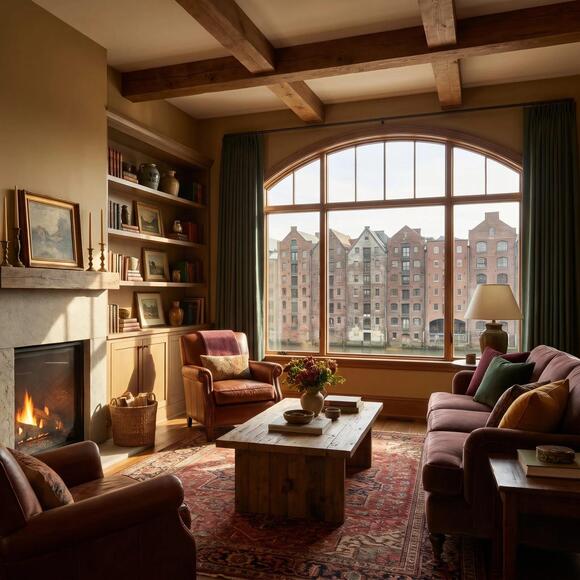
Eight buildings, and once one of the world’s largest cotton export operations, run here by Alexander Sprunt & Son. By the early 1970s the Wilmington Redevelopment Commission was knocking down downtown buildings because demolition cost less than renovation, and this complex was next in line.
Then a partnership led by J.R. Reaves bought it, right as demolition was about to start. The group had watched how Charleston and Savannah reused their old buildings instead of flattening them. Sometimes saving a place just takes looking at what another city already got right.
5. Thalian Hall, Wilmington: Saved From the Wrecking Ball More Than Once
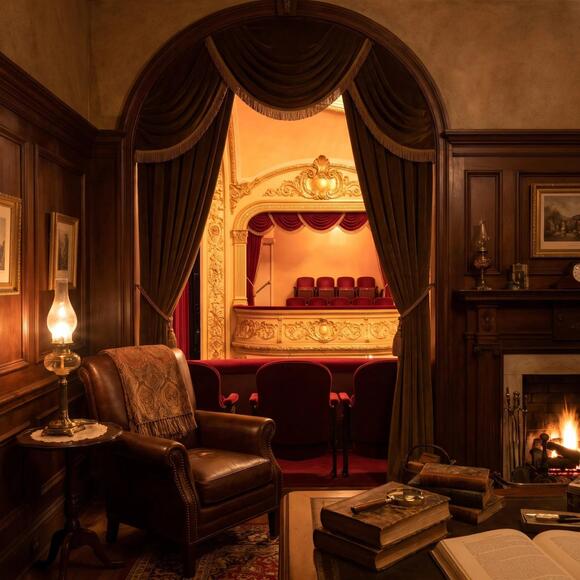
This theater came close to demolition several times in the 1930s and 1940s, and every single time Wilmington residents pushed to keep it and renovate instead.
For more than 160 years Thalian Hall shared its building with Wilmington’s city hall, until city offices recently moved to the Skyline Center. The closest call came during the 1938 WPA renovation. Then, during a 1973 fire, UNCW theatre professor Doug Swink is credited with probably saving the building. It reopened in 1975 and still hosts concerts and community theatre. A place that survives this many near-misses has clearly earned its spot.
Why It Works: Buildings that double as something practical, like a theater sharing walls with city hall, tend to survive. A place still earning its keep is much harder to justify tearing down than one sitting empty.4. Hayti Heritage Center: The Durham Church That Outlasted a Highway
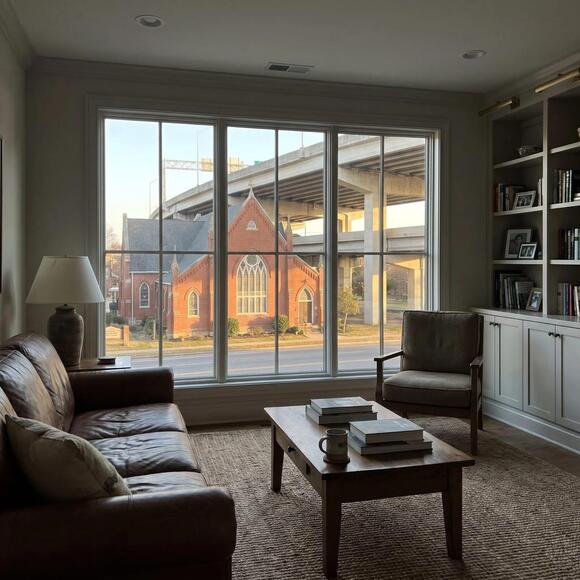
Urban renewal and the Highway 147 project ran straight through Hayti, displacing hundreds of Black-owned businesses and thousands of homes. The 1891 church was slated to go down with the rest of it.
Lyda Moore Merrick and her daughter helped stop the wrecking ball. The St. Joseph’s Historic Foundation opened the center here in 1975, and that Gothic Revival brick still stands at 804 Old Fayetteville St. General admission is free, and most years in March the building fills for the Hayti Heritage Film Festival.
History Corner: The church went up in 1891 with donations from John Merrick, Washington Duke and Julian Carr. Funded across old racial lines, then nearly erased by a highway, now a cultural anchor. That tension is baked into the brick.3. Historic Oakwood: The Raleigh Neighborhood That Beat a Freeway
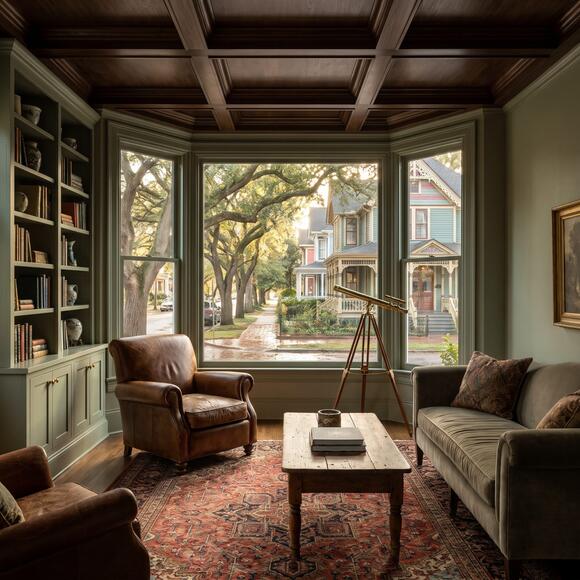
On October 5, 1972, Raleigh announced a North-South Expressway that would have carved through Oakwood between East and Bloodworth streets. The Victorian blocks would have become a road.
So the residents fought. They gathered 1,034 signatures and founded the Society for the Preservation of Historic Oakwood that same year. Oakwood made the National Register on June 3, 1974, and the very next day the city council voted unanimously against the expressway. By 1975 it was Raleigh’s first local historic district.
The society still runs the annual Historic Oakwood Candlelight Tour, when the porches glow and strangers get to walk through the houses they saved.
A thousand signatures beat a bulldozer by one day.
2. Jockey’s Ridge State Park: The Woman Who Stood in Front of the Bulldozer
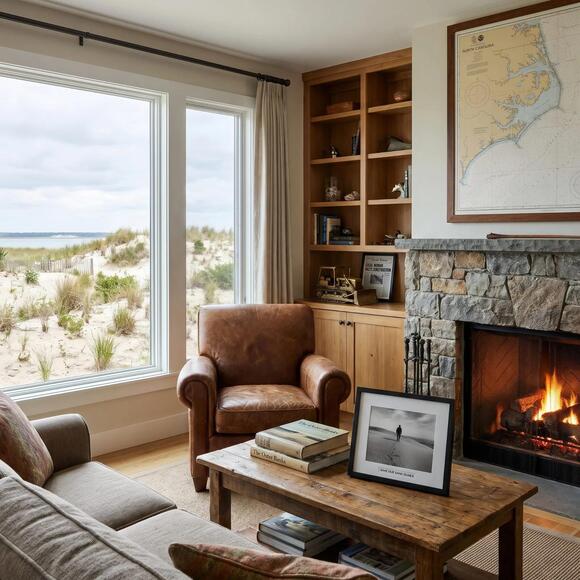
August 15, 1973. A bulldozer was hauling sand off Jockey’s Ridge, and Carolista Fletcher Baum walked out in front of it and refused to move.
That one stand turned into a movement. People to Preserve Jockey’s Ridge sold ‘Save Our Sand Dunes’ bumper stickers and honorary ‘buy a piece of the Ridge’ deeds. The dune earned National Natural Landmark status, and in 1975 the General Assembly funded a state park to protect it for good.
Try This: A state highway historical marker to Baum stands on U.S. 158 at Carolista Drive in Nags Head. Pull over, read it, then climb the dune she saved. The view off the top is the whole argument in one glance.1. Carr Mill Mall: A Cotton Mill That Dodged the Strip-Mall Fate
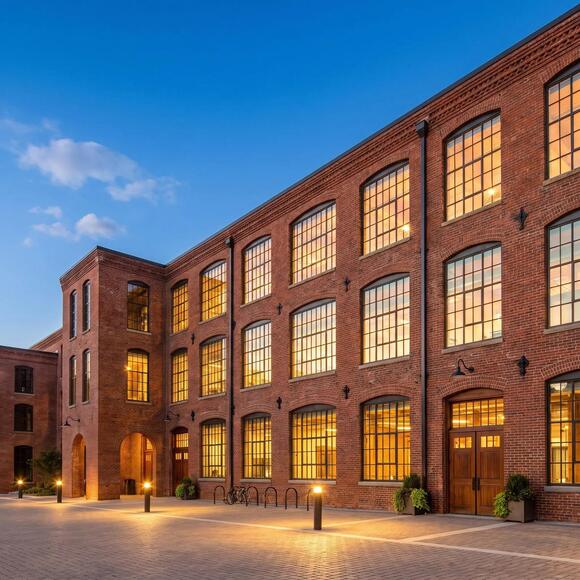
Thomas Lloyd built this cotton mill in 1898, and Julian Carr, the town’s namesake, bought it in 1909. By the 1970s it sat empty.
Then in the mid-1970s came plans to flatten the place for yet another strip mall. Locals pushed back, got the building designated a historic landmark, and owner Ed Yaggy’s multimillion-dollar renovation turned it into shops, offices and restaurants instead. Tall factory windows and exposed brick walls are the kind of bones a new build can’t fake, which is the whole case for adaptive reuse: keep the character, change the use.
Why It Works: Old mills convert beautifully because they were built for light and air. Those banks of tall windows and open floor plates give shops and offices like these exactly what they need without a single new wall. The brick does the decorating for free. Add to Preferred Sources
