undefined
Posts
undefined
Followers
Why Minnesota has a tradition of eating this unusual fish dish
By Alicia Thompson,
11 days ago
Lutefisk is one of Minnesota’s most recognizable heritage foods. The dish stands out for 3 things people rarely forget, its smell, its gelatin-soft texture, and a taste often described as plainly, unmistakably fishy.
Why lutefisk stuck in Minnesota
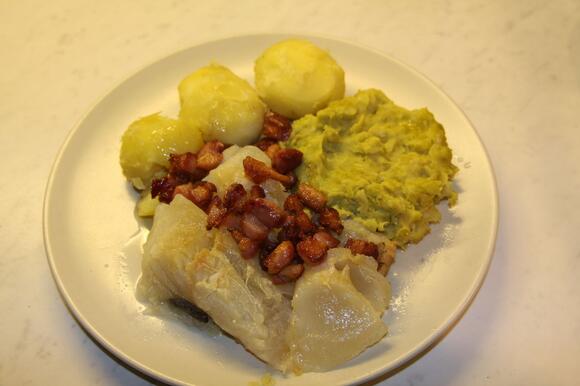
Minnesota’s lutefisk tradition makes sense once you look at the state’s Scandinavian roots. Norwegian immigrants brought the dish with them, and in Minnesota it stayed on church tables, holiday spreads, and community dinners long after it faded from everyday eating in many places.
That long memory matters because lutefisk was never just about flavor. In Minnesota, the dish became a food marker for families with Norwegian ties, and the fact that it is unusual only made it more memorable from one generation to the next.
Its staying power also comes from repetition. When a food appears at Christmas dinners, lodge suppers, and local gatherings year after year, it becomes part of the culture even for people who do not eat large portions of it.
The smell and texture people talk about most
It is hard to talk about lutefisk without talking about odor first. Even after multiple soakings in water to reduce the smell of lye, a residual chemical smell can remain, and that quality is one reason the dish has such a strong reputation.
Bob Sturgeon, president of the Vegas Viking Lodge, said 2 factors may affect how strong that smell is. He noted that authentic Norwegian cod is much more potent than newer versions made with pollock or haddock.
He also said producers using birch ash instead of lye create a more palatable product. That detail helps explain why one plate of lutefisk can seem far stronger than another, even when both are prepared as the same traditional dish.
Why some people love it and others never do

Once you get past the aroma, the texture is usually the next big hurdle. The rehydration process creates a very moist fish, and the result is less like a flaky fillet and more like a Jell-O shot, which gives lutefisk its famously divisive feel.
For some diners, that softness is the whole point. For others, even people who like tender fish such as halibut, lutefisk feels completely different, and that difference is often enough to turn them away after 1 bite.
As for flavor, the simplest description may be the most accurate. Lutefisk tastes like a fishy fish, and people who grew up with preserved seafood such as pickled herring are often more likely to enjoy it than people meeting it for the first time.
 Add to Preferred Sources

