undefined
Posts
undefined
Followers
7 Fireplace and Wood-Burning Rules That Can Bring a Fine
By Glory Oj,
2 days ago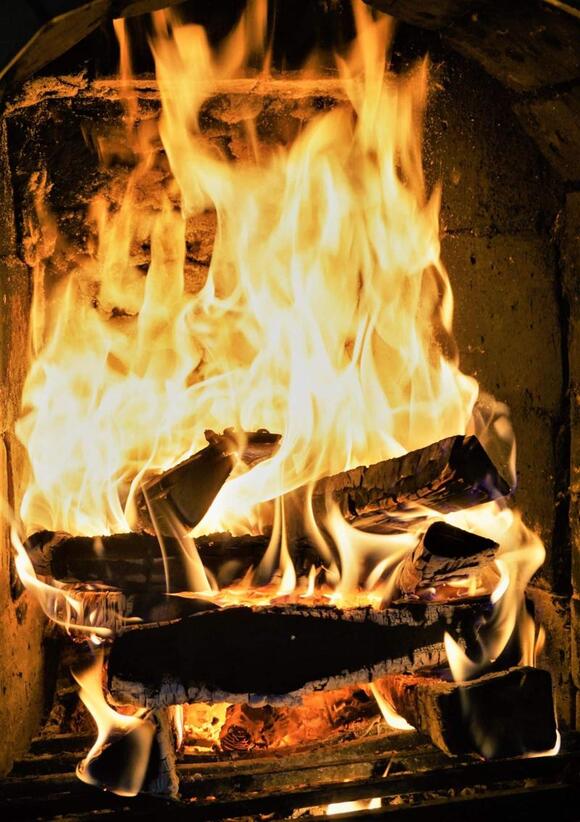
A crackling fire is one of the easiest ways to make a cold evening feel special. In a growing number of regions, though, lighting the fireplace is no longer a purely personal choice. Air quality agencies in California, Utah and Washington all run winter wood-burning programs, and some of them back those programs with tickets that can climb with every repeat violation.
The reasoning is simple: wood smoke is a major source of fine particle pollution when cold, still air traps it close to the ground. For homeowners, the practical question is what is allowed and what can bring a fine. Before settling in with blankets and one of these simple cozy crafts for a very hygge winter, it helps to know the local rules. Anyone weighing a switch to cleaner heat may find ideas in these energy efficient home improvement tips that save money, and households dealing with a smoky room after a fire can try these tips on how to get burnt smell out of the house fast. Here are 7 fireplace and wood-burning rules worth knowing.
1. Burning During a Bay Area Spare the Air Alert
The Bay Area Air District’s wood burning rule makes it illegal to burn wood, manufactured firelogs, pellets or any other solid fuel, indoors or outdoors, when a Spare the Air Alert with a burn ban is in effect. According to the district’s Spare the Air wood burning rule flyer, first-time violators can take a wood smoke awareness course instead of paying a $100 ticket.
A second violation brings a $500 fine, and the amounts rise with each additional ticket. The flyer also notes that under 2025 amendments, the district can now call a burn ban at any time of year when particle pollution becomes unhealthy, not only in winter.
2. Ignoring the Daily Burn Status in Sacramento
Sacramento County runs its own winter burn-check program from November 1 through the end of February. The Sacramento Metropolitan Air Quality Management District’s kickoff release for the 2025-26 burn-check season explains that burning wood, pellets and manufactured fire logs is restricted when fine particle pollution is forecast to reach unhealthy levels.
A first violation carries a $50 fine, or the option of completing a wood smoke awareness exam. Repeat violations face higher penalties. The district says wood burning is responsible for more than 50 percent of the county’s fine particle pollution in winter.
3. Lighting Up on a Utah Mandatory No-Burn Day
Along the Wasatch Front and nearby areas, winter inversions trap smoke in the valleys. The Utah Department of Environmental Quality’s page on mandatory no-burn days says wood fireplaces, wood stoves (certified or not), pellet stoves and coal stoves cannot be used on those days in 7 counties, including Salt Lake, Utah, Davis and Weber.
Households found violating the ban can face fines of up to $150. The agency also notes that compliance officers use infrared cameras that can spot heat plumes even when no smoke is visible, so a “clean” looking fire is not a safe bet. Gas and propane appliances remain allowed.
4. Using an Uncertified Stove During a Washington Burn Ban
Washington uses a two-stage system. The state Department of Ecology’s explainer, Chestnuts roasting on an open fire? Check for a burn ban, says a Stage 1 ban prohibits uncertified wood stoves and fireplaces, while a Stage 2 ban prohibits burning indoors and outdoors. Both stages have an exception for homes where wood is the only heat source.
In the Seattle area, the Puget Sound Clean Air Agency’s wood smoke guide warns that burning during a ban can result in fines. Checking the agency’s burn status before lighting a fire is the simplest way to avoid one.
5. Skipping a Southern California No-Burn Alert
Across much of Los Angeles, Orange, Riverside and San Bernardino counties, the South Coast Air Quality Management District issues mandatory No-Burn alerts from November 1 through the last day of February. Its page on what a No-Burn alert is says residents must avoid all indoor and outdoor wood burning during an alert, which covers fireplaces, outdoor fire pits and wood stoves.
The district’s residential wood burning FAQ adds a detail many people miss: burning charcoal in a fireplace or wood-burning heater is also prohibited on No-Burn days, while charcoal in a barbecue grill is allowed. It also notes that the low-income exemption was removed from the rule as of September 2025. Gas log sets are not covered by the alerts.
6. Burning Trash, Junk Mail or Treated Wood
Even on a day when burning is allowed, what goes into the fire matters. The Bay Area rule specifically lists garbage and inappropriate materials such as junk mail, pallets and treated wood as off limits. The Puget Sound Clean Air Agency is just as direct, telling residents that burning trash is illegal.
Both agencies recommend sticking to dry, seasoned firewood or manufactured logs. Washington’s Ecology department suggests wood that has been seasoned for at least 6 months, and Southern California bars licensed sellers from offering green firewood with more than 20% moisture from July through February.
7. Sending Up Too Much Smoke
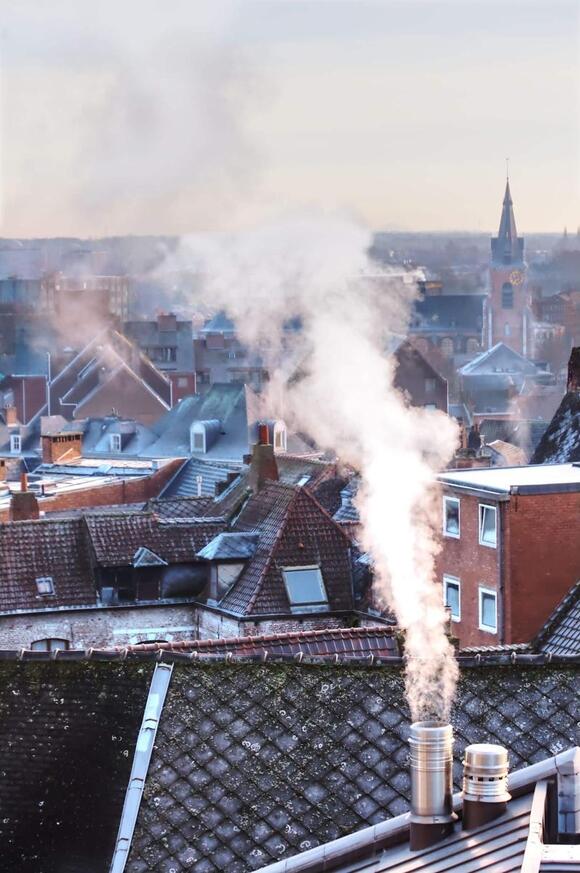
A fire that pours thick smoke from the chimney can be a violation on its own. The Bay Area rule prohibits producing dense smoke, which usually comes from burning wet or unseasoned wood. Washington’s Ecology department says chimney smoke should be no more than 20% opacity, and the Puget Sound agency notes that after about the first 20 minutes of startup, a well-run fire should produce little or no visible smoke.
When the chimney keeps smoking, the usual culprits are too little air or wet wood. Leaving the damper open and not overloading the stove helps keep a fire on the right side of the rules.
A Few More Rules Behind the Scenes
Some regulations matter more for buyers and landlords than for weekend fire-builders. Both the Bay Area and Southern California prohibit installing wood-burning devices in new construction, and the Bay Area requires landlords in areas with natural gas service to give tenants a heat source other than a wood-burning device. These shifts are part of a wider trend, and similar concerns came up when wood heating was named the top source of air pollution in Massachusetts.
For many longtime homeowners, it is a big change from the days when a fire could be lit any night without a second thought, much like the small rules everyone followed in the ’80s that now feel like another era. The safest habit today is a quick check of the local burn status before striking the match.
This article was written with the help of AI tools and checked against the sources linked above.
The post 7 Fireplace and Wood-Burning Rules That Can Bring a Fine appeared first on FODMAP Everyday.
 Add to Preferred Sources


