undefined
Posts
undefined
Followers
Leaving The Villages Could Cost Retirees Thousands - Here's Why
By Sarah Sharkey,
3 days ago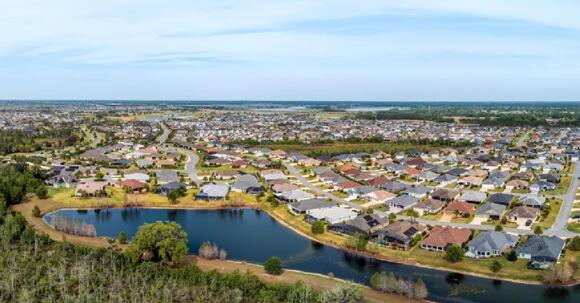
When retirees move into The Villages, many envision spending the rest of their days enjoying the community. But sometimes, life changes. And, unfortunately, leaving The Villages can be a significant expense for any retiree. For some, the costs could be high enough to derail carefully laid retirement plans.
Let's explore the costs of leaving The Villages.
Find Out: 13 moves seniors could benefit from but often forget about.
The Community Development District bond
When you purchase a new home in The Villages, it comes with a bond attached to the deed. The Community Development District (CDD) bond is essentially financing that covers upfront infrastructure costs for building the community, things like roads, water lines, and more. The exact amount of the bond varies based on the home.
When you sell the home, you aren't required to pay off this bond. But if you don't, homes with bonds attached tend to sit on the market longer. Plus, buyers will often negotiate a lower sale price to compensate for the attached CDD bond.
Depending on your situation, you might opt to pay off the bond or be forced to lower your sale price. Either way, this issue could end up costing several thousand dollars.
Shopping for cheaper auto insurance? Enter your zip code here to get started.
Carrying costs
If you want to get out of The Villages, you'll need to sell your property. As of writing, the average listing takes 35 days to get a pending sale. But with a softening market, the timeline could extend.
As you wait for a buyer to come along, you'll face carrying costs for the property. You'll need to keep up with paying the mortgage, insurance, property taxes, utilities, and anything else required to keep the house going. This can add up to thousands of dollars every month.
Tough resale conditions
When you sell a home in The Villages, you'll face a limited buyer pool. As a 55+ community, that means that most of the residents must be at least 55 years old. That puts younger buyers out of the equation before you've even listed the home.
Beyond the smaller pool of buyers, you'll be competing directly with the developer's new builds. That's right. The Villages aren't done expanding, yet. If you take a drive down the Florida Turnpike, you'll quickly realize the developer is building hundreds of new homes to expand The Villages. Many buyers coming into the community will like the idea of buying a brand-new home, which could make it tough to compete when reselling.
Save Money: Things to cut when living on retirement (many people ignore #11)
Closing costs
When you finally have a buyer lined up and at the closing table, you'll face significant closing costs. In Florida, the average seller pays 6% of the sale price in closing costs.
For example, let's say you sell your home in The Villages for $300,000. If you pay 6% in closing costs, you'll have a $18,000 bill at closing. Of course, you may be able to use a portion of your profits to cover this cost. But it's money that won't make it into your pocket.
Moving expenses
When moving out, you'll likely face moving costs. After all, many moving out of The Villages are simply past the age of DIY moving.
On average, the total cost of a local move is $1,400. But if you're planning a long-distance move, the costs can climb significantly. For example, a 1,000-mile move averages $5,450. That might be thousands of dollars you'd rather not spend. If you're trying to cut down on costs, consider selling or donating larger items that you won't need in your next place.
Healthcare changes
For retirees relying on Medicare, a move to a new area means you might need to change your Medicare plan. Regardless of the cost, changing healthcare plans tends to be a hassle. But depending on the situation, your new locale might involve higher insurance costs too.
Retire like the rich: 14 ways you could build wealth in your 50s.Bottom line
Moving to The Villages might sound like a dream come true. But sometimes, the luster of the brochure and your first visit fade with time. If you truly get tired of living in the community, leaving isn't always easy.
If possible, consider a potential exit strategy before moving into the area. For example, you might try to consider what amenities you'll actually want to use in the blazing Florida heat and what you might want out of a house 20 years from now. Of course, you can't foresee every potential issue. But a little bit of forward thinking might help you avoid a major money mistake in retirement.
Money tips that can work for everyone
No matter your bank account balance, there’s always an opportunity to improve your finances and boost your wealth. Here’s a quick guide to get you started today.
Increase your income. If bills are tight, there are many ways to supplement your income. You can try one of these side hustles that still work if you have a full-time job, or explore these legit ways to keep more cash in your wallet.
Grow what you have. There is nothing better than time and compound interest to grow wealth. It helps to start knowing where you stand financially so you can put together a plan of action. Working with a professional is a smart choice if you want to be able to retire early.
Take advantage of opportunities. You can maximize your senior benefits by taking advantage of all deals, discounts, and money-saving opportunities you can. If you own a car, it’s smart to make sure you have the best price available on car insurance, which could save you hundreds. On the flip side, avoid money-wasting traps that can silently drain your bank account.
 Add to Preferred Sources


