undefined
Posts
undefined
Followers
12 Cat Cafés in Texas Worth a Day Trip
By Kristina Das,
4 days agoTexas cat cafés combine adoptable felines with coffee shops, offering visitors a chance to interact with rescue cats while supporting local shelters across twelve cities from Houston to El Paso.
Cat cafés have exploded across Texas in the last five years, but most people still think they’re just trendy coffee shops with a few cats wandering around.
The reality is far more purposeful. These spaces function as adoption centers first, with every resident cat available for a permanent home.
What began as a Japanese concept has evolved into a Texas-specific model that prioritizes animal welfare, visitor education, and community support. Here’s what the data actually says.
#12 — Blue Cat Café in Austin juggles tourism with serious rescue work
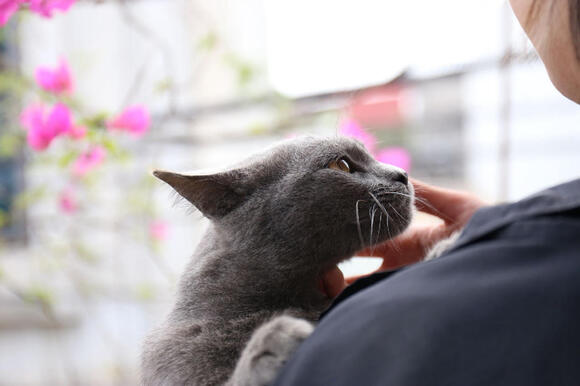
Austin’s oldest cat café opened in 2015 and hasn’t slowed down since.
Blue Cat Café has facilitated over 1,800 adoptions since opening, partnering with Austin Pets Alive to house cats in a bright, plant-filled space on West Anderson Lane. The café operates on a reservation system that limits visitors to hour-long sessions.
The structure protects the cats from overstimulation while ensuring every guest gets quality interaction time. Walk-ins are rarely accommodated, especially on weekends.
The café stocks locally roasted coffee and pastries from nearby bakeries, with all food profits funding veterinary care for incoming rescues. Adoption fees run $95 to $150 depending on age, covering spay/neuter, vaccinations, and microchipping.
Quick Compare
- Reservation: $15 per person for one hour
- Operating hours: Wednesday through Sunday, 10 a.m. to 7 p.m.
- Average cats available: 18 to 25 at any time
- Adoption rate: Roughly 70% of resident cats find homes within 60 days
The business model here became the blueprint for most Texas cat cafés that followed. But #11 reveals a space that took the concept in a completely different direction…
#11 — The Charming Cat Café in Plano prioritizes senior and special-needs animals
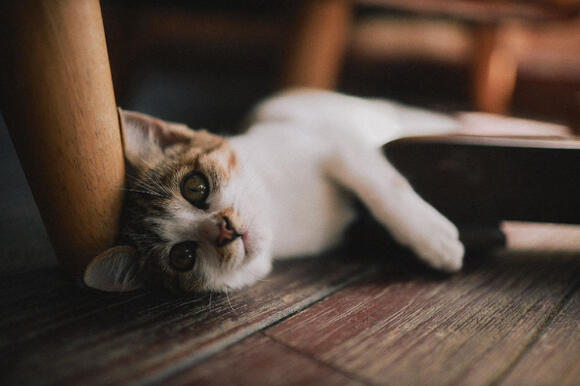
Most cat cafés showcase kittens and young adults because they move fastest.
Plano’s Charming Cat Café does the opposite, reserving at least half its capacity for cats over seven years old or those with medical conditions like diabetes or mild behavioral challenges. The café works with Operation Kindness, a North Texas no-kill shelter.
Senior cats and special-needs animals face the longest shelter stays and highest euthanasia risk. By featuring them in a low-stress environment, the café gives these cats exposure they’d never receive in a traditional kennel setting.
Visitors pay $12 for 90-minute sessions, with no food service on-site to keep costs low and focus on the animals. The space includes elevated perches, heated beds, and quiet zones where older cats can retreat.
Adoption counselors spend extra time matching senior cats with retirees and empty-nesters who want lower-energy companions. The café reports a 55% adoption rate for cats over eight years old, well above the regional average of 30%.
Senior cats in café environments show less stress and more social behavior than those in traditional shelter cages.
But #10 proves that Houston’s cat café scene operates on an entirely different scale…
#10 — MEOW Cat Café in Houston runs dual locations with rotating cat populations
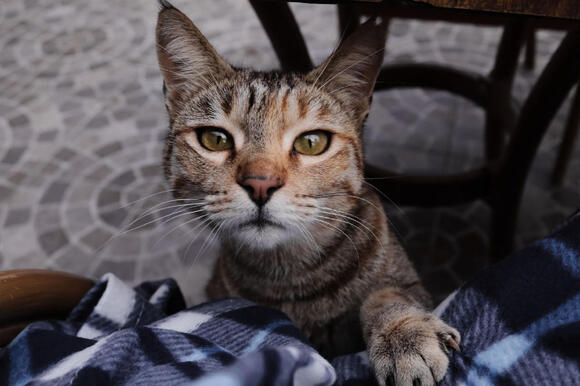
Houston’s MEOW Cat Café opened a second location in 2022 to handle demand.
The two sites—one in EaDo and one in Montrose—house up to 35 cats combined, with animals rotated between locations based on temperament and socialization needs. MEOW partners with Friends for Life, Houston’s largest no-kill animal rescue.
The dual-location model allows the café to segregate shy cats from bold ones, giving each group an environment suited to their comfort level. The EaDo location skews quieter, with more hiding spots and dimmer lighting for anxious cats.
Both locations serve full espresso menus, wine, and light snacks. Reservations cost $13 per hour on weekdays and $15 on weekends, with discounts for students and seniors.
MEOW has placed over 2,500 cats since 2014, making it one of the highest-volume adoption facilitators in Texas. The café also hosts yoga sessions, paint nights, and private events, with proceeds funding the rescue’s spay-neuter clinic.
But #9 shows that San Antonio’s approach leans heavily into family programming…
#9 — The Mews Cat Café in San Antonio targets families with structured kids’ programs
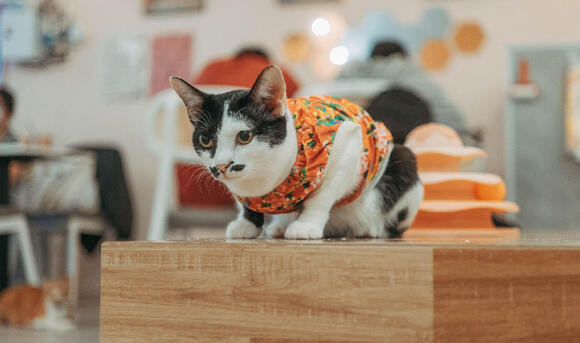
San Antonio’s Mews opened in 2018 with a focus on multigenerational visits.
The café runs “Kids & Cats” sessions every Saturday morning, teaching children ages 5 to 12 how to read feline body language, respect boundaries, and handle animals gently. Sessions include supervised one-on-one time with pre-selected cats known for patience with children.
The educational angle addresses a gap in traditional adoption processes, where families often adopt impulsively without understanding cat behavior. The Mews reports that families who attend the kids’ program adopt at higher rates and return cats less often than walk-in adopters.
Standard reservations cost $14 for 75 minutes, while the kids’ program runs $10 per child with one adult admitted free. The café serves coffee, tea, and prepackaged snacks but no hot food.
Fast Facts
- Partner shelter: San Antonio Feral Cat Coalition
- Cats available: 15 to 20, mostly under three years old
- Adoption follow-up: Required check-in at 30 and 90 days
- Return rate: Under 8%, well below the shelter industry average of 15%
The Mews also offers “Fostering 101” workshops for people considering temporary placements, further extending its impact beyond direct adoptions. But #8 reveals a café that embedded itself in a college town with surprising results…
#8 — Fuzzy Friends Refuge in College Station draws Texas A&M students year-round
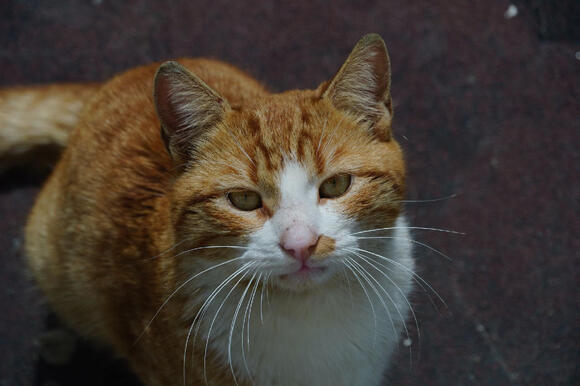
College Station’s only cat café opened in 2019 near the Texas A&M campus.
Fuzzy Friends Refuge offers discounted “study sessions” for students, charging $8 for two hours during weekday afternoons when foot traffic is otherwise slow. Students bring laptops and textbooks, working quietly while cats roam freely.
The café noticed that students who visited multiple times during a semester often adopted just before graduation, planning to take a cat home after securing post-graduation housing. This delayed adoption pattern required the café to maintain detailed records on repeat visitors.
Fuzzy Friends works with the Brazos Animal Shelter and keeps 12 to 15 cats on-site at a time. The smaller capacity allows for deeper relationships between visitors and individual animals.
Weekend rates run $12 per hour for the general public, with coffee and pastries available for purchase. The café hosts Finals Week specials with extended hours and free coffee refills, boosting both revenue and exposure for harder-to-place cats.
But #9 introduced a business model almost no one else in Texas has attempted…
#7 — Meow Parlour Outpost in Fort Worth experiments with a no-reservation walk-in model
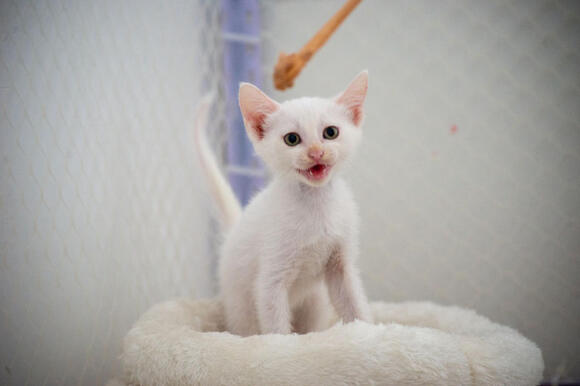
Fort Worth’s Meow Parlour Outpost opened in 2020 and ditched reservations entirely.
The café operates on a first-come, first-served basis with capacity limits enforced by staff at the door. Visitors pay $10 upon entry and can stay as long as they want until closing, though most sessions last 45 minutes to an hour.
The walk-in model appeals to spontaneous visitors and families who struggle with advance planning, but it creates unpredictable crowding on weekends. The café mitigates this by opening at 8 a.m. on Saturdays and Sundays, capturing early risers before the rush.
Meow Parlour partners with Fort Worth Animal Control and focuses on cats who’ve been overlooked in the municipal shelter system—often adults with unremarkable coloring or those who don’t approach kennel doors eagerly. The café environment allows these cats to show personality that’s invisible in a shelter.
The café serves drip coffee, cold brew, and bottled drinks but no espresso or hot food. Staff estimate that 40% of adoptions come from visitors who weren’t planning to adopt that day but formed a connection during an impromptu visit.
Walk-in models increase spontaneous adoptions but require stricter capacity management to avoid stressing the cats.
But #6 demonstrates how El Paso’s geographic isolation shaped a entirely different café strategy…
#6 — The Purrfect Cup in El Paso serves as the city’s only year-round adoption showcase
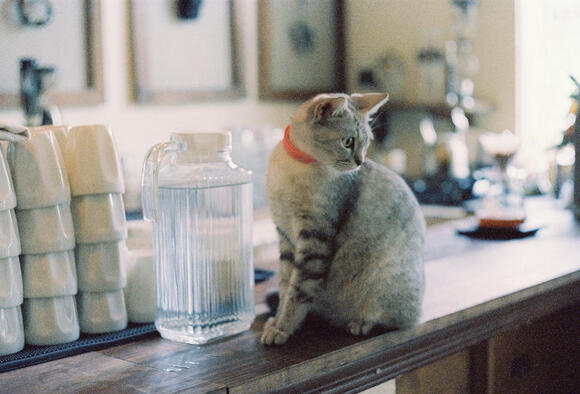
El Paso sits 550 miles from Austin and operates in relative isolation from other Texas metros.
The Purrfect Cup is the city’s sole cat café, and that monopoly has shaped its operations. The café works with every animal welfare group in the region, rotating cats in from multiple shelters and rescue networks rather than partnering exclusively with one organization.
This multi-shelter model gives the café access to a wider variety of cats, from kittens rescued off desert ranches to senior cats surrendered by military families during PCS moves. The café maintains 20 to 25 cats at a time.
Reservations cost $12 for 90 minutes, with discounts for active-duty military personnel and veterans. The café also runs a “Sponsor a Senior” program where donors cover adoption fees for cats over 10 years old.
The Purrfect Cup has placed over 900 cats since opening in 2017, an impressive figure given El Paso’s smaller population. The café also ships cats to adopters in southern New Mexico and far West Texas, expanding its geographic reach beyond city limits.
But #5 proves that even smaller Texas cities can support thriving cat cafés when the community shows up…
#5 — Whiskers Cat Café in Waco thrives in a mid-sized market through grassroots support
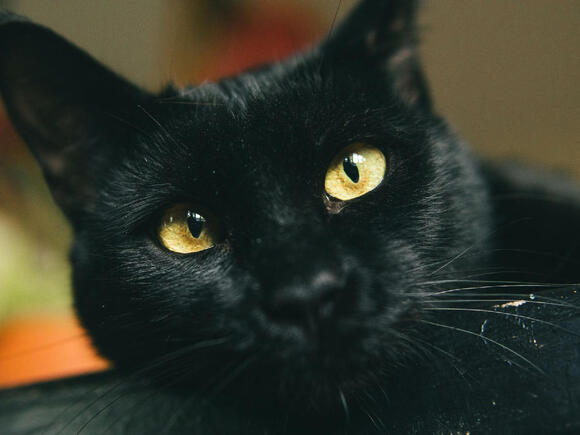
Waco has fewer than 140,000 residents, yet Whiskers Cat Café stays consistently booked.
The café opened in 2021 with significant community fundraising, raising $35,000 through local donations before opening day. That grassroots foundation built a loyal customer base that returns monthly, treating visits as a recreational activity rather than a one-time experience.
Whiskers partners with the Humane Society of Central Texas and houses 10 to 14 cats in a compact downtown space. The smaller footprint keeps overhead low while maintaining a comfortable environment for both cats and visitors.
Reservations cost $10 for one hour, with memberships available at $25 per month for unlimited visits. The membership model generates predictable revenue and keeps the café’s calendar full even during slower months.
Worth Knowing
- Monthly members: Over 200 active accounts
- Adoption rate: 65% of resident cats adopted within 90 days
- Event revenue: Accounts for 30% of total income through private bookings
- Local business partnerships: Seven Waco businesses sponsor individual cats, covering their care costs until adoption
Whiskers also runs a mobile adoption program, bringing cats to Baylor University events and local farmers markets. But #4 reveals how Dallas built a cat café empire that now dominates North Texas…
#4 — Dallas has three competing cat cafés within a ten-mile radius
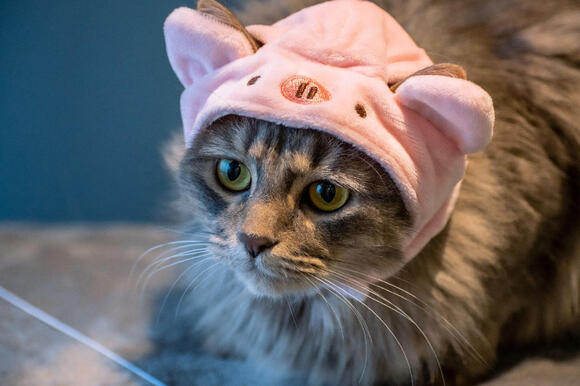
Dallas supports more cat cafés per capita than any other Texas city.
Three separate cafés—Kitty Brew, Cats & Coffee, and Dallas Cat Café—operate within Dallas proper, creating a competitive market that’s pushed each business to specialize. Kitty Brew focuses on kitten adoptions, Cats & Coffee emphasizes adult cats, and Dallas Cat Café targets corporate team-building events.
The competition has driven innovation in pricing and programming. Kitty Brew offers half-price visits for first-time guests, while Cats & Coffee runs a loyalty program with a free visit after every five paid sessions.
Dallas Cat Café carved out a niche hosting private corporate events, charging $400 to $600 for two-hour buyouts where companies bring employees for stress-relief sessions. These events now represent 40% of the café’s revenue.
Combined, the three Dallas cafés have placed over 3,000 cats since 2016. The competitive landscape benefits local shelters by providing multiple adoption channels and keeping wait times short for incoming animals.
But #3 introduces a Houston café that’s rewriting the rules on what cat cafés can offer beyond adoptions…
#3 — Houston’s Sip & Purr expanded into full veterinary wellness clinics on-site
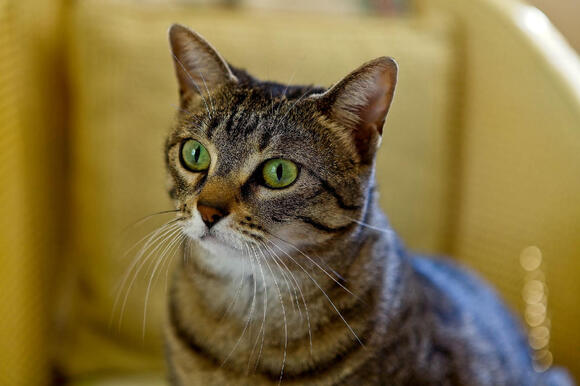
Sip & Purr opened in Houston’s Heights neighborhood in 2020 with an unusual feature.
The café includes a licensed veterinary clinic in an adjacent suite, offering low-cost spay/neuter, vaccinations, and wellness exams for the public—not just for café residents. The clinic subsidizes café operations while serving the broader community, creating a sustainable revenue model that doesn’t rely solely on visitor fees.
Café reservations run $14 for one hour, with 18 to 22 adoptable cats on-site at any time. All proceeds from café visits fund free or reduced-cost veterinary care for underserved pet owners in surrounding neighborhoods.
The clinic operates Tuesday through Saturday with walk-in hours, performing an average of 60 spay/neuter surgeries per month. This volume reduces shelter intake by preventing unwanted litters, addressing the root cause of cat overpopulation.
Sip & Purr has adopted out over 800 cats in four years while providing veterinary care to more than 2,500 community-owned animals. The dual-purpose model is now being studied by cat cafés in other states.
Integrating veterinary services transforms cat cafés from adoption centers into comprehensive animal welfare hubs.
But #2 shows that Austin’s newest cat café is pushing boundaries in an entirely different direction…
#2 — Purr Parlor ATX in Austin introduced late-night hours for night-shift workers
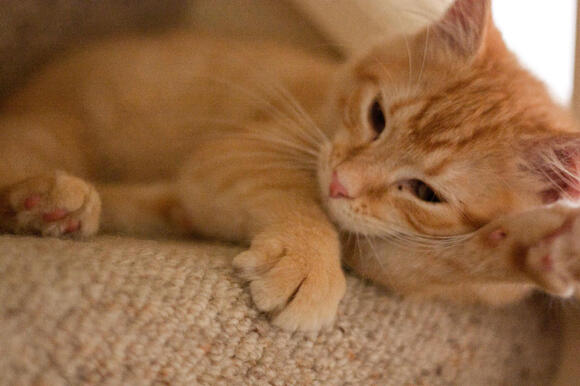
Purr Parlor ATX opened in 2023 with hours that run until 11 p.m. on weekends.
The late-night model targets service industry workers, nurses, and other night-shift employees who can’t visit traditional cafés during standard daytime hours. The café is located near St. David’s Medical Center and several downtown hotels, drawing staff from both sectors.
Evening sessions cost $12 for 90 minutes and include dimmed lighting and quieter music to create a calming post-shift environment. The café serves cold brew, iced drinks, and prepackaged snacks but no hot beverages after 8 p.m.
Purr Parlor works with Austin Humane Society and keeps 12 to 15 cats on-site, rotating animals back to the shelter for rest days to prevent burnout from extended operating hours. Cats are monitored closely for stress signals, and those who don’t adapt to evening activity are moved to daytime-only placement programs.
The café reports that 25% of its adoptions happen during evening hours, reaching adopters who’d never visited a cat café before due to scheduling conflicts. The model has sparked interest from cafés in Houston and San Antonio.
But #1 stands alone as the Texas cat café that’s achieved something no other facility in the state can claim…
#1 — Pounce Cat Café + Wine Bar in Denton operates Texas’s only alcohol-licensed cat café
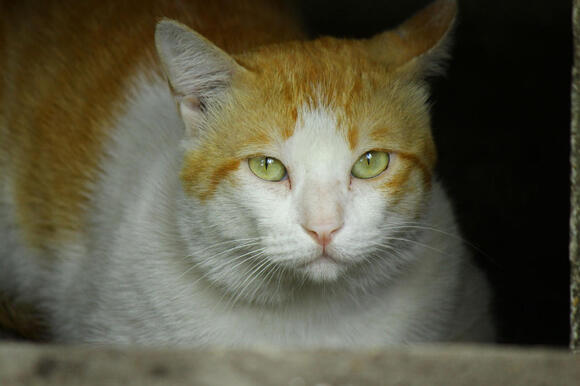
Denton’s Pounce Cat Café holds a distinction no other Texas cat café has managed to secure.
Pounce is the only cat café in the state with a full beer and wine license, allowing visitors to enjoy craft beer and wine alongside their cat time. Navigating Texas alcohol regulations while maintaining health department approval for animal housing took over a year of permitting.
The café operates under strict separation protocols, with the bar area physically walled off from the cat lounge. Visitors order drinks at the bar, then carry them into the cat space in sealed, lidded containers.
Reservations cost $15 for 90 minutes and include one drink ticket. The café partners with Denton Animal Services and houses 15 to 20 cats in a spacious setup with floor-to-ceiling cat trees and wall-mounted climbing structures.
Pounce has placed over 600 cats since opening in 2019, with a particularly strong track record among young professionals aged 25 to 35 who cite the café’s social atmosphere as a deciding factor in visiting. The alcohol license allows Pounce to host fundraising events that draw crowds traditional cat cafés can’t attract.
Why It Stands Out
- Permit process: Required approval from TABC, health department, and animal control
- Alcohol sales: Represent 35% of total revenue, highest in Texas
- Event capacity: Hosts bachelorette parties, birthday celebrations, and corporate happy hours
- Adoption demographic: 60% of adopters are first-time cat owners under 40
The wine bar model has proven so successful that three other Texas cat cafés have begun pursuing alcohol licenses, though none have cleared the regulatory hurdles yet.
The Bottom Line
Texas cat cafés have matured far beyond the novelty phase, establishing themselves as legitimate adoption pipelines that move thousands of cats into homes annually. The twelve facilities profiled here represent different approaches to the same goal—reducing shelter populations while creating sustainable businesses that serve their communities.
The data shows that café-adopted cats return to shelters at lower rates than traditional shelter adoptions, likely because café visitors spend more time observing behavior before committing. Combined, these twelve cafés have facilitated over 12,000 adoptions since the first Texas location opened in 2014.
Cat cafés reduce shelter crowding, improve adoption outcomes, and provide financial support for rescue operations that traditional shelters can’t match.
Which Texas cat café have you visited, and did you end up adopting?
 Add to Preferred Sources
