undefined
Posts
undefined
Followers
12 Habits Your Cat Only Started After It Fully Trusted You
By Kristina Das,
2026-09-14Stick with us to the end: one surprising grooming behavior reveals the deepest level of feline trust you can earn.
Cats have a reputation for being aloof, independent creatures who tolerate humans more than they actually bond with them. But anyone who's lived with a cat long enough knows that reputation doesn't tell the whole story.
The truth is that cats form deep attachments to their trusted humans, and they show it through specific behaviors that only emerge once they feel completely safe. Here's what those trust signals actually look like.
#12 — Sleeping With Their Back to You
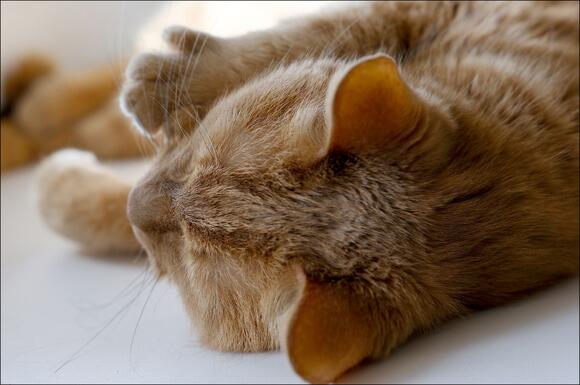
This posture is the opposite of what most people expect.
Turning away while sleeping is actually a sign of complete security, not rejection or indifference. Cats in the wild must stay vigilant even during rest, always positioning themselves to watch for threats.
When your cat sleeps with their back to you, they're communicating that they trust you to watch their vulnerable side. They've decided you're part of their safety system rather than a potential danger.
Indoor cats typically sleep 12 to 16 hours per day, and where they choose to sleep reveals their hierarchy of safe spaces. A cat who consistently positions themselves back-to-you during daytime naps has placed you in their inner circle of trusted companions.
#11 — Bringing You Their Toys

This isn't always about wanting to play right that second.
Cats who bring toys to their trusted humans are displaying a behavior rooted in their hunting instincts and social bonds. Mother cats bring prey to their kittens both to feed them and to teach hunting skills.
When your adult cat drops a toy at your feet, they're treating you like family—either sharing their "catch" or inviting you into a cooperative activity. It's a social gesture that requires them to trust you'll respond appropriately.
The most common toys for this behavior are small, easily carried objects like mice toys or crinkle balls. Cats who do this regularly have formed a strong enough attachment to want to include you in activities they find rewarding.
Quick Compare
- New cats: hide toys, play alone
- Bonded cats: bring toys to you, wait for interaction
- Deeply bonded: leave toys near where you sleep
- Peak trust: drop toys directly in your hand
#10 — Slow Blinking at You

It looks like sleepiness, but it's deliberate communication.
Researchers have documented that slow blinking is a distinct affiliative behavior in cats, different from ordinary drowsy eye closure. The cat deliberately narrows their eyes, holds the position briefly, then opens them again while looking directly at you.
This behavior evolved as a non-threatening signal between cats who share social bonds. In cat body language, a direct stare signals challenge or aggression, while the slow blink softens the intensity of eye contact into something friendly.
Studies from animal behaviorists show that cats are more likely to approach humans who slow blink at them first. You can actually reciprocate this gesture: look at your cat, narrow your eyes slowly, hold for a second, then relax your face—many cats will blink back.
#9 — Showing You Their Belly

The belly is the most vulnerable part of a cat's body.
Exposing their stomach is a demonstration of trust, though it's not always an invitation to touch. The belly houses vital organs and has less protective fur and muscle than the back and sides.
Cats who roll over and display their belly around you have decided you pose no threat to them in that exposed position. It's a posture they would never adopt around someone or something they feared.
Most cats prefer belly rubs to last only a few seconds before they redirect you to their head or back. A cat who shows their belly is trusting you; a cat who allows extended belly touching has reached an even deeper comfort level.
But #8 reveals a vocalization that only emerges with trusted humans...
#8 — Chirping or Trilling at You
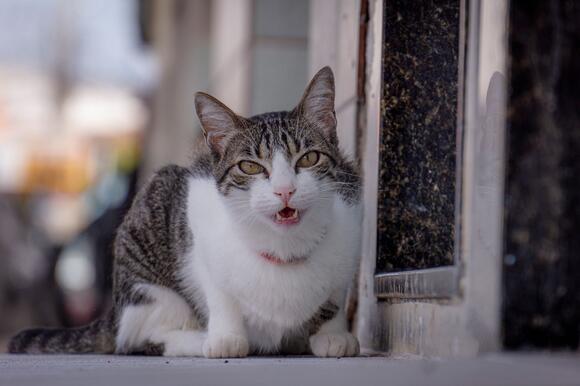
This isn't the standard meow most people recognize.
Chirps and trills are soft, rolling sounds that cats typically reserve for close social companions. Mother cats use trills to communicate with their kittens, and adult cats maintain this vocalization for beings they consider part of their family group.
The sound serves as a friendly greeting or an attention-getter that's less demanding than a meow. It's a warm, affiliative noise that cats don't waste on strangers or people they merely tolerate.
Cats develop individual vocal patterns with their trusted humans, and the chirp-trill is often part of a broader vocabulary they build over time. If your cat greets you with this sound when you enter a room, they're using their "family voice" rather than their general-purpose communication.
Fast Facts
- Chirps are shorter, sharper sounds
- Trills have a rolling, musical quality
- Both are closed-mouth vocalizations
- Cats use them primarily with trusted individuals
#7 — Headbutting Your Face or Hands
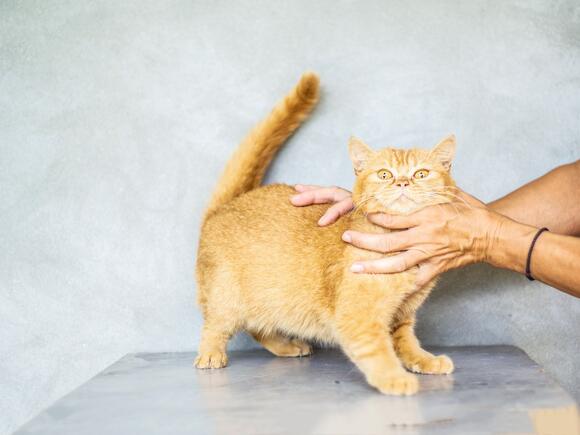
The technical term is "bunting," and it's deeply social.
Cats have scent glands concentrated around their face, chin, and forehead. When they press their head against you, they're marking you with their scent and claiming you as part of their territory.
This behavior requires them to come into close contact with you and to trust that you won't respond negatively. Cats who bunt are comfortable enough to invade your personal space and confident you're safe to touch.
The scent marking aspect is significant: cats create a communal scent profile among members of their social group. By bunting you regularly, your cat is maintaining your membership in their "colony" and reinforcing the bond each time.
A cat who headbutts you is doing more than saying hello—they're renewing your shared identity.
#6 — Kneading on Your Lap
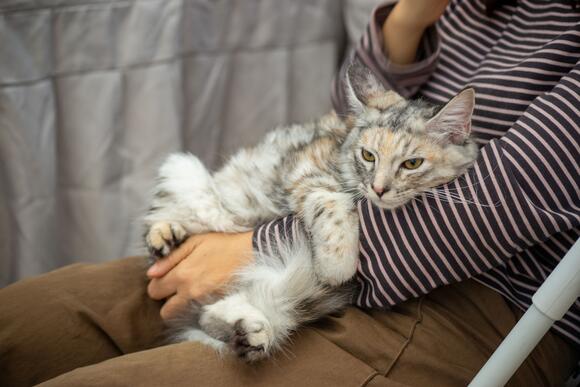
The rhythmic push-pull motion with their front paws is instinctive.
Kittens knead their mother's belly while nursing to stimulate milk flow. Adult cats who knead their trusted humans are regressing to that infant comfort behavior, which only happens when they feel completely safe and content.
The behavior is self-soothing and often accompanied by purring, drooling, or a glazed, blissful expression. Cats don't knead on people they're wary of—it's too vulnerable a state.
Some cats knead with claws extended, which can be uncomfortable but is actually a sign of deep relaxation. Cats who are tense or uncertain keep their claws retracted and their muscles tight; the extended claws during kneading mean they've let their guard down completely.
#5 — Following You Room to Room
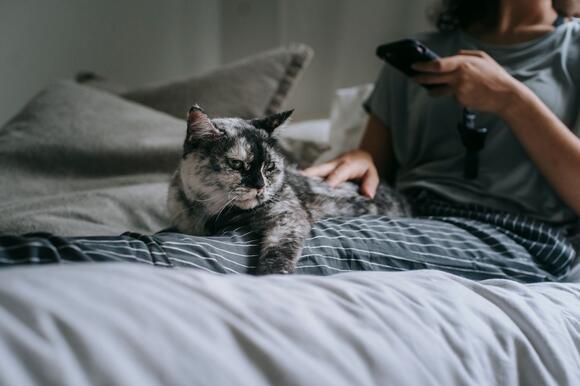
This isn't clinginess—it's chosen companionship.
Cats are not pack animals by nature, so following behavior is selective and meaningful. A cat who trails you through the house has decided that being near you is more rewarding than sleeping, grooming, or any other solitary activity.
This behavior emerges once a cat has formed a secure attachment and actively seeks your proximity. They're not following because they need something; they're following because they prefer your company to being alone.
The pattern usually develops gradually. A newly adopted cat might stay in one room for weeks; a bonded cat will often position themselves in whatever room you're in, even if they're not directly interacting with you.
But #4 shows a grooming behavior most people misunderstand...
#4 — Licking Your Hair or Skin
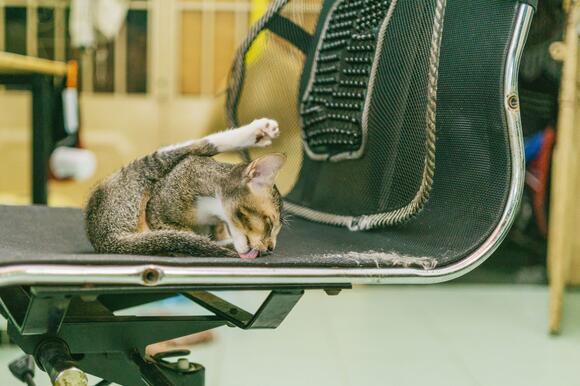
It feels strange, but it's a profound compliment.
Cats groom each other—called allogrooming—to reinforce social bonds within their group. When your cat licks you, they're treating you as they would another cat they trust and care for.
The rough texture of a cat's tongue is designed to remove loose fur and debris, and they typically focus on areas the other cat can't easily reach. When they lick your hair, hands, or face, they're extending that cooperative grooming behavior to you.
Cats choose their grooming partners carefully. Allogrooming happens between cats who share sleeping spaces and resources, making it an intimacy marker rather than casual contact.
Worth Knowing
- Licking often happens during quiet, relaxed moments
- Some cats focus on hair, mimicking fur grooming
- The behavior can include gentle nibbling
- It typically increases over time with deepening trust
#3 — Making Eye Contact and Holding It
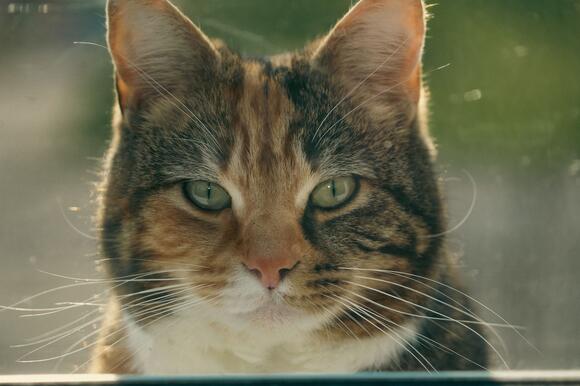
In cat language, this is the opposite of a challenge.
While direct stares between unfamiliar cats signal aggression or territorial dispute, sustained soft eye contact between a cat and their trusted human is an affiliative behavior. The cat is choosing to maintain visual connection without tension or threat.
The difference lies in the body language accompanying the eye contact. A challenging stare comes with stiff posture, forward ears, and often a lashing tail; trusting eye contact happens with a relaxed body, neutral or slightly back ears, and a calm tail.
Cats who hold eye contact with their humans for extended periods have learned that this interaction is safe and even pleasant. They've overridden their instinct to treat sustained eye contact as confrontational because their experience with you has taught them otherwise.
#2 — Grooming Themselves in Your Presence
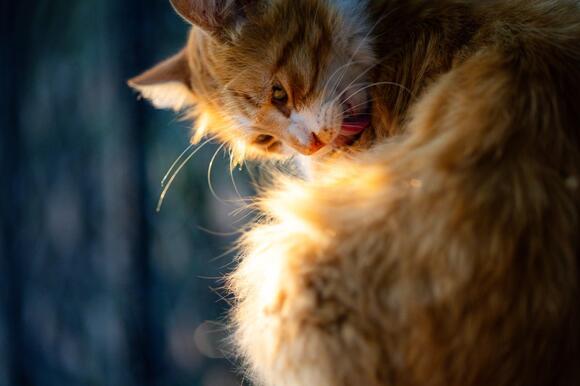
Grooming is a vulnerable activity that requires focus and stillness.
Cats only groom themselves when they feel safe enough to drop their vigilance, which is why newly adopted or stressed cats often have unkempt coats. The act of grooming requires them to close their eyes, contort into awkward positions, and pay attention to their body rather than their surroundings.
When your cat settles in near you and begins a thorough grooming session, they're demonstrating that they trust you to keep watch while they're occupied. It's a level of security they wouldn't feel around a perceived threat.
Grooming sessions typically last 30 to 50 licks per body area, and cats move through a predictable pattern: face, shoulders, flanks, legs, and tail. A cat who completes this entire sequence in your presence feels completely safe in your company.
#1 — Bringing You to Their Kittens
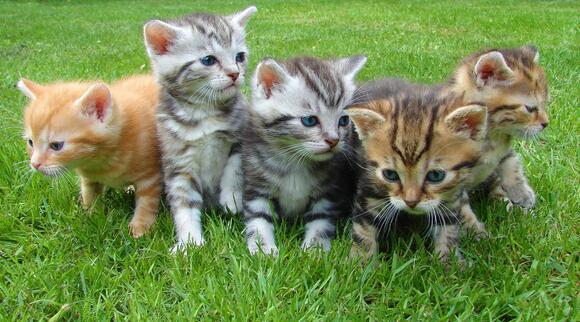
This is the ultimate trust signal for female cats.
Mother cats are intensely protective of their newborn kittens and will relocate them repeatedly if they sense any threat to the nest. A mother cat who deliberately brings you to meet her kittens, or who gives birth in a location where you have access, has placed you in her innermost trust circle.
This behavior demonstrates that she not only feels safe with you but believes you're safe for her offspring—an assessment mother cats don't make lightly. In feral colonies, mother cats often hide their kittens even from other colony members.
Indoor cats who've given birth sometimes carry kittens one by one to show their trusted human, or they'll chirp and lead the person to the nesting spot. This introduction behavior is the feline equivalent of bringing someone into your family, not just your home.
Why It Stands Out
- Maternal instinct is the strongest protective drive in cats
- Mothers will attack much larger threats to defend kittens
- Allowing human access to kittens overrides powerful biological imperatives
- The behavior shows trust extending beyond the cat's own safety
When a mother cat trusts you with her kittens, she's made you family in the deepest sense her species recognizes.
The Bottom Line
These twelve behaviors represent the full spectrum of feline trust, from the cautious vulnerability of belly-showing to the profound bond demonstrated when a mother introduces you to her young. Each one requires the cat to override natural wariness and choose connection over self-protection.
The progression isn't always linear—some cats headbutt before they slow blink, and others follow you for months before they'll knead on your lap. What matters is that these behaviors emerge at all, not the order in which they appear.
Trust with cats isn't given quickly, but once earned, it's expressed in unmistakable ways.
Which of these trust signals does your cat show you most consistently, and which ones surprised you when they first appeared?
Bonus — The Grooming Behavior That Signals Ultimate Trust
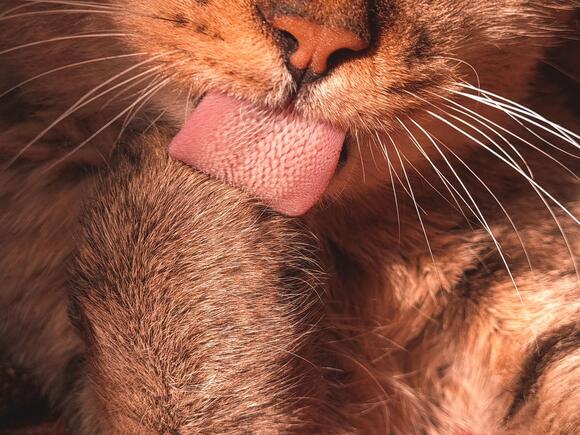
The deepest trust signal involves reciprocal face grooming.
When your cat grooms your face, particularly around your eyes and forehead, they're performing the most intimate form of allogrooming that exists between cats. This grooming happens between deeply bonded cats and is never done casually or to strangers.
If you want to recognize and encourage this peak trust behavior, watch for these patterns:
- Your cat positions themselves at eye level with you (on furniture, your chest, or your shoulder)
- They begin by sniffing or bunting your face, then transition to licking
- The grooming focuses on areas you can't easily reach or clean yourself
- They pause frequently to make eye contact or slow blink during the process
This behavior may never develop with some cats, and that's normal—but when it does appear, you've achieved the highest level of trust your cat can offer. Respond by staying still, keeping your hands relaxed, and allowing them to complete the grooming session at their own pace.
READER QUIZ
[How Well Do You Know Cat Trust Signals?]
What does it mean when a cat sleeps with their back turned to you?
- They're ignoring you
- They trust you to watch their vulnerable side
- They're about to leave the room
- They prefer sleeping alone
How long do indoor cats typically sleep per day?
- 6 to 8 hours
- 8 to 10 hours
- 12 to 16 hours
- 18 to 20 hours
What is "bunting" in cat behavior?
- Playing with toys
- Jumping on furniture
- Headbutting to mark with scent
- Scratching posts
Why do adult cats knead on their trusted humans?
- They're trying to sharpen their claws
- They're regressing to infant comfort behavior from nursing
- They're preparing a sleeping surface
- They're showing dominance
What does it mean when a mother cat brings you to meet her kittens?
- She wants you to feed them
- She's looking for a new home for them
- She's placed you in her innermost trust circle
- She's confused about her role
Which trust behavior does your cat show you most often?
- They follow me room to room and groom themselves near me
- They slow blink, headbutt, and bring me toys regularly
- My cat doesn't show many of these behaviors yet
 Add to Preferred Sources
