undefined
Posts
undefined
Followers
The Thai Tradition Behind Jao Sua in Mesa
By Karysma Hicks,
21 days agoIn Thailand, the simple question “Kin khao reu yang?” or “Have you eaten yet?” is more than a greeting. It is an expression of care, connection, and community. At Jao Sua Thai & Sushi Bar in Downtown Mesa, husband-and-wife owners Joakhun and Eve bring this tradition to life through family recipes, Thai-Chinese cuisine, and a dining experience centered on sharing food and creating meaningful connections around the table.
The Thai Tradition Behind Jao Sua Thai & Sushi Bar in Mesa
When someone asks whether you’ve eaten, the question often comes with an invitation to dine together. Rarely is it used as a greeting or a way to check on someone’s well-being. The same cannot be said in Thailand. “Kin khao reu yang?” is a question asked among friends and family as a way of saying “I care about you” and expressing concern for someone’s health, prosperity, and overall happiness.
This traditional expression has traveled overseas and found a new home in Downtown Mesa. Jao Sua Thai & Sushi Bar is the culmination of a 20-year passion project by a husband-and-wife team dedicated to bringing people together around the table. Joakhun leads the sushi program, while his wife, Eve, oversees the Thai kitchen. The couple moved to Arizona in June and opened Jao Sua’s doors in July, but the recipes behind the restaurant have been a lifetime in the making.
The Meaning Behind Jao Sua
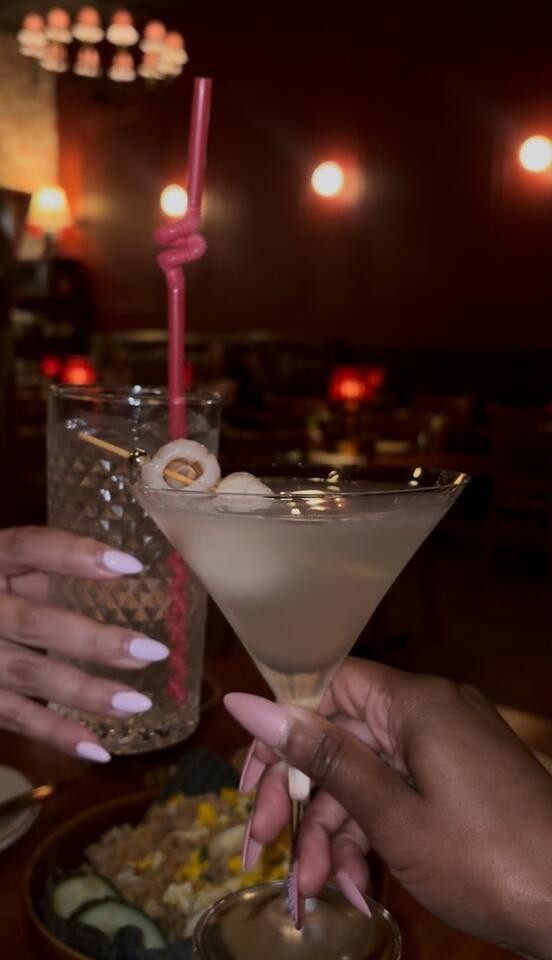
In Thai, Jao Sua is a title of respect that describes a successful merchant, business owner, or community leader. In Western dining culture, a jao sua might be compared to a gracious host: someone who fills the table, feeds guests, and brings the right people together.
As a restaurant, Jao Sua embodies this philosophy. It is a place where friends gather after a long day of work, families celebrate milestones, and entrepreneurs build business relationships, all over a shared meal.
Joakhun and Eve drew upon their childhood experiences and family recipes to establish the foundation of Jao Sua, incorporating Thai-Chinese influences that appear throughout the restaurant’s cuisine and presentation.
Family Recipes Passed Down Through Generations
In Thailand, family recipes rarely exist on paper. Instead, they are passed down through generations, from grandmothers and mothers in the kitchen to children and grandchildren who learn by watching, tasting, and adjusting ingredients by feel. Measurements are often a “little bit of this and a little bit of that” until the dish tastes just right.
Eve learned to cook in much the same way. With no formal culinary training, her education comes from her grandmother’s recipes, experimenting with new dishes, and a genuine love of cooking as a therapeutic outlet. She has spent years recreating family recipes until they taste the way she remembers, while developing presentations that honor traditional preparations and are visually appealing enough to share on social media.
Thai-Chinese Heritage Influences the Menu
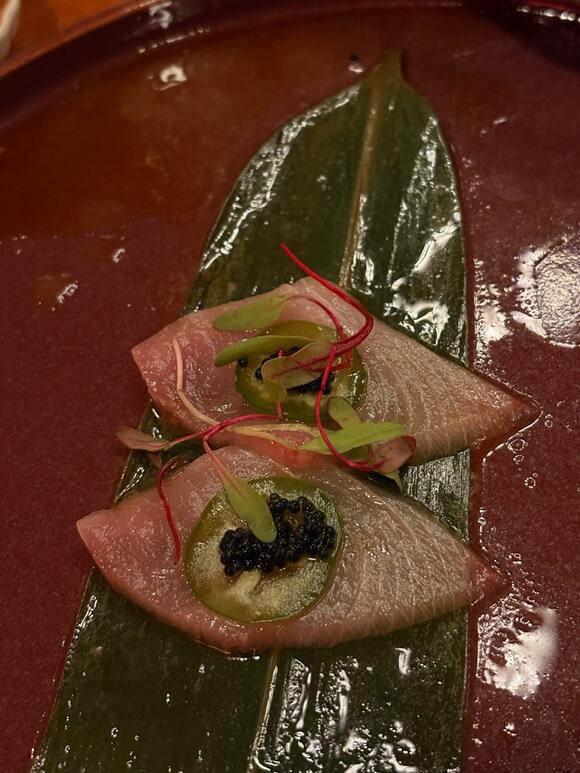
Joakhun grew up immersed in two distinct cultures. Like many families in Bangkok, he has both Thai and Chinese roots, with a Chinese father and a Thai mother. He spent his childhood in Chinatown, and several dishes on Jao Sua’s menu are included simply because they remind him of a time of comfort, familiarity, and family.
For centuries, Chinese immigrants, particularly those from the Teochew region of southern China, settled in Thailand, establishing communities and shaping the country’s culinary and commercial traditions. In Bangkok, Chinese merchants helped develop the bustling markets and businesses of Yaowarat, the city’s historic Chinatown.
At Jao Sua Thai & Sushi Bar, guests will find dishes reflecting these culinary influences, including Yaowarat noodles, Jao Sua pineapple fried rice, and pad see ew. Each dish incorporates ingredients and cooking techniques that demonstrate the connections between Thai and Chinese cuisine.
The Yaowarat noodles feature egg noodles, crab, and wontons, complemented by chili oil that adds a Thai-inspired kick. The dish also reflects the Thai preference for customizing spice levels to suit individual tastes. Jao Sua’s pineapple fried rice combines Chinese sausage, chicken, shrimp, and wok-tossed jasmine rice. The mixture is served in a pineapple shell, allowing the fruit’s sweet and tangy flavors to complement the savory ingredients.
The Art of Balancing Flavors
Thai cooking is known for balancing spicy, sour, salty, and sweet flavors. What is less widely understood is that this balance often extends across the entire table rather than existing within a single dish. The balance becomes more than a cooking technique. It creates a connection among diners, making the act of sharing food an essential part of the experience rather than simply a cultural custom.
In Thai dining, the combination of flavors is as important as the way the meal is served and enjoyed. In Western dining culture, ordering individual entrées is common. Each person selects a dish, which remains on their plate and on their side of the table.
A traditional Thai meal works differently. Several dishes are placed in the center of the table, perhaps a curry, stir-fry, shrimp doughnuts, or traditional Khao Soi. Each person receives a plate of rice, and everyone shares the dishes. The meal unfolds at the pace of the conversation. Rather than ordering solely for yourself, you order for the table, creating a shared experience through the same foods, flavors, and traditions. A jao sua is measured not simply by what is served, but by the people gathered around the table.
Bringing Thai Hospitality to Downtown Mesa
On Main Street in Downtown Mesa, Joakhun and Eve are staying true to the meaning behind their restaurant’s name. Through shared plates, balanced flavors, and generations-old family recipes, Jao Sua Thai & Sushi Bar brings an important Thai tradition to Arizona. At the heart of the experience is a simple question that carries a much deeper meaning: “Kin khao reu yang?” Have you eaten yet?
Jao Sua Thai & Sushi Bar is open Sunday, Monday, Wednesday, and Thursday, from noon to 3 p.m. for lunch and 4:30 to 9:30 p.m. for dinner; Friday and Saturday, noon to 3 p.m. for lunch and 4:30 to 10 p.m. for dinner. Closed Tuesdays.
For more information about Jao Sua Thai & Sushi Bar in Mesa, visit www.instagram.com/jaosua.mesa.
17 W. Main St.
Mesa, AZ 85201
The post The Thai Tradition Behind Jao Sua in Mesa appeared first on Fabulous Arizona.
 Add to Preferred Sources