undefined
Posts
undefined
Followers
Florida's Food Insecurity: Rising Demand, Shrinking Resources
Rising Costs, Funding Cuts, and Policy Decisions Leave Floridians in Crisis
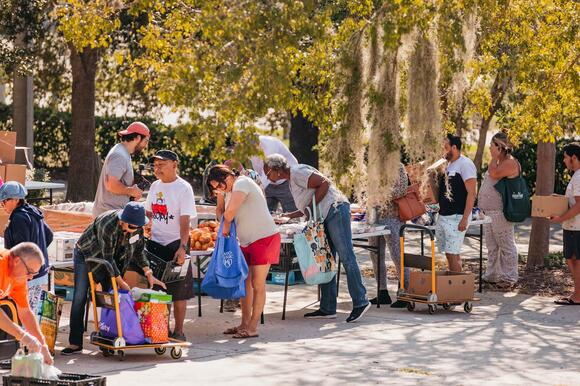
Fla. News Network —The lines outside Florida's food banks are growing longer, and the faces in those lines tell a story of hardship that's becoming all too common. Parents clutching their children's hands, seniors balancing bags of groceries on walkers, and workers still in their uniforms—all waiting for a lifeline.
Key Data Points:
- 2.7 million Floridians are experiencing food insecurity
- 1 in 5 children is facing hunger risks
- 45% increase in food bank demand since early 2023
- Average household food costs up 11.4% year-over-year
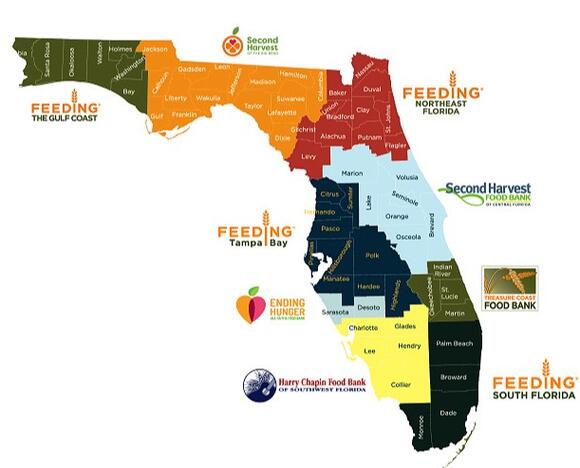
Florida's food banks are sounding the alarm. Feeding Florida, a network of nine food banks, serves over 2,400 pantries statewide, but demand is outpacing supply. In Gadsden County, a staggering 35.5% of children are food insecure, compared to 9.1% in better-off St. Johns County. Statewide, nearly 20% of kids don't know where their next meal is coming from. A recent survey by No Kid Hungry found that 72% of Floridians are struggling more to afford groceries than a year ago.
Food insecurity is hitting Florida hard, and the situation is worsening. With inflation driving up grocery prices, federal funding cuts slashing resources, and state policies limiting assistance programs, more Floridians are finding themselves unable to afford basic necessities.
Who's Hurting Most:
- Working Families: Silvia D., a Tyson Foods worker who caught COVID-19, relies on weekly church pantry trips to offset medical bills. "If it weren't for this, I don't know what I'd do," she admits.
- Seniors: Phyllis M., 66, initially hid her pantry visits out of shame. "Keeping a secret makes things worse," she says. Now, she advocates for others.
- Rural Communities: In counties like DeSoto and Glades, pantry access is sparse. The Senate's proposed $12 million for rural food bank expansions can't come soon enough.
A Crisis in the Making:
The numbers paint a grim picture. Over 2.5 million Floridians experienced food insecurity in 2021, according to Feeding America's "Map the Meal Gap" report. That number has only grown as economic pressures mount.
One of the biggest blows came when Florida opted out of the SUN Bucks program, a federal initiative designed to provide grocery assistance to low-income families during the summer months. With schools closing for summer break, many children who rely on free or reduced-price meals suddenly face uncertainty about their next meal.
The crisis is especially acute for children. Florida ranks among the worst states for child hunger, with 1 in 5 kids facing food insecurity. Yet last summer, the Florida Governor rejected a federal program that would have provided $120 per child for groceries during school break. The state declined to spend $12 million in administrative costs to access $250 million in federal funds.
Stephen Popper, CEO of Meals of Hope, a nonprofit that operates 15 food pantries in Collier and south Lee County, put it bluntly: "You can't distribute out of an empty warehouse." The USDA's $1 billion funding cut to food banks and growers is making that reality even harsher. Grocery prices continue to climb. The USDA projects a 3.7% increase this year, following an 11.4% spike in 2022. For many, staples like eggs and bread have become luxuries. A recent survey by No Kid Hungry found that 72% of Floridians are struggling more to afford groceries than a year ago.
Longer Lines, Fewer Resources:
The demand for food assistance is skyrocketing, but resources are dwindling. Farm Share, Florida's largest independent food bank, is leading efforts to combat hunger through initiatives like the Stamp Out Hunger Food Drive. Last year, Florida led the nation in food donations, with Tampa ranking #1 in collections. But even with community efforts, the need continues to outpace supply.
Food banks themselves face inflation challenges. Feeding Florida, the state's food bank network, reports a 22% increase in operating costs alongside declining donations. Corporate food donations have dropped as supply chains tightened, forcing organizations to purchase more food outright at higher prices.
The surge in need comes as food banks face diminishing resources. In March, the USDA abruptly suspended $1 billion in funding, including millions that supported South Florida food banks and farmers. The cuts hit hard. Boca Helping Hands reported a 40% drop in donations compared to last year, forcing them to scale back distributions.
Stephen Shelley, CEO of Farm Share, emphasized the growing desperation: "Every day, we hear from families who are doing everything right but still can't keep up—whether it's groceries, rent, or medical bills, the costs keep rising and the safety nets are shrinking."
Federal Cuts Deepen the Crisis:
The federal government's decision to slash funding for hunger relief programs is exacerbating the crisis. The USDA halted $500 million in expected food deliveries and cut another $1 billion in hunger relief programs supporting local producers.
The ripple effect is devastating. Food banks that relied on these funds to purchase fresh produce and protein-rich foods are now struggling to provide anything beyond canned goods and dry staples.
Community efforts have emerged to fill gaps. Faith communities across Florida have expanded pantry operations, and mutual aid networks coordinate neighborhood-level assistance. In St. Petersburg, local restaurants donate unused food through a text-alert system that helps food banks collect items that would otherwise be wasted.
The Road Ahead:
With Congress considering cuts to SNAP benefits, the situation could become even more dire. Roughly 2.9 million Floridians rely on SNAP, and reductions to the program would push even more families into food insecurity.
Cindy Huddleston, senior policy analyst with the Florida Policy Institute, warned: "The reductions in SNAP being considered by Congress threaten the food security and well-being of the most fragile families in Florida, as well as the state's economy."
Forward Together:
Despite the grim outlook, local organizations and volunteers are stepping up. Food banks are hosting emergency drives, churches are organizing meal distributions, and neighbors are banding together to support one another.
However, the reality remains that without stronger government intervention and restored funding, Florida's food insecurity crisis will continue to deepen. For now, the lines outside food banks keep stretching longer. And the people in them keep waiting, hoping for relief that may not come soon enough.
Thank you for reading! We would greatly appreciate your comments and thoughts, so please join the conversation. Go ahead and comment, and don't hesitate to click the like, share, and follow buttons if you liked it. You are everything to us! If you find any errors or wish to suggest story ideas, you can contact the author at EdmondThorne@proton.me. Thank you! Additional articles can be found at: https://medium.com/@edmondthorne
*This article was reviewed, edited, and refined using Grammarly to enhance clarity and accuracy. No other AI was used to create or fact-check this article.
 Add to Preferred Sources


