undefined
Posts
undefined
Followers
Why Native Plants Are the Secret to a Zero-Maintenance Yard
By Anna K. Cottrell,
4 days ago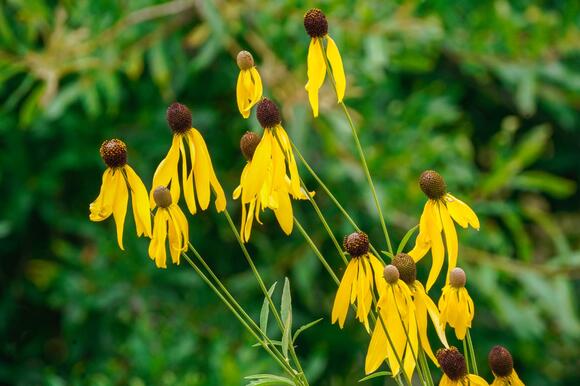
Creating a thriving landscape doesn’t have to mean spending every weekend pulling weeds, hauling hoses or applying chemical treatments. For homeowners looking to minimize yard upkeep ahead of seasonal planting windows, the secret to an easy-care outdoor space might be as simple as choosing the right plants for your region.
Why Native Plants Are Low-Maintenance
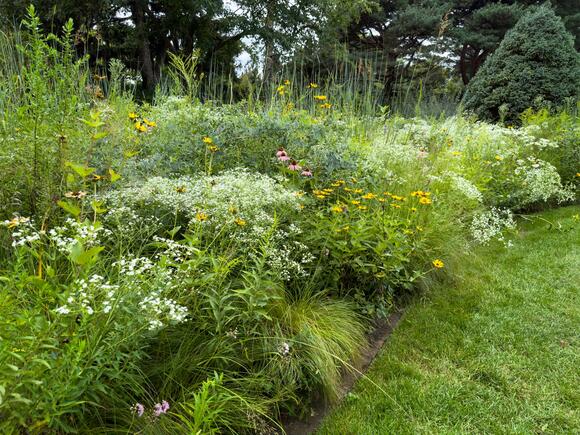
When designing a low-maintenance landscape, turning to native plants offers an immediate advantage because they have evolved to tolerate regional weather patterns and soil conditions. “Plants that are native to our region will bring the best results, as they are already adapted to our conditions,” Elisa Miret-Pollino, project designer for Connecticut landscape architect Wesley Stout Associates, explains.
Unlike exotic ornamentals that often struggle against local climate extremes, native species have spent generations evolving alongside local ecosystems. This natural fit means they establish more successfully and require far less human intervention to look their best year-round.
Reducing Water, Fertilizer and Pesticide Needs
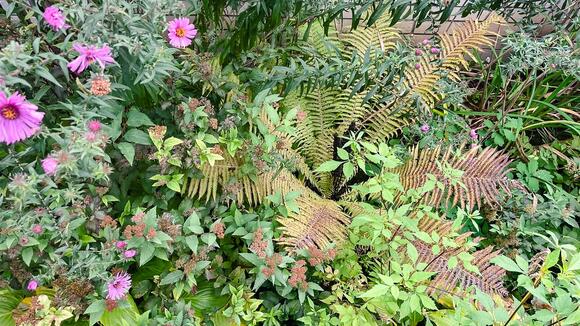
Because native plants are naturally synchronized with regional rainfall and temperature shifts, they dramatically cut down on resource-heavy chores. Once established, native species require significantly less watering than non-native lawns and non-native flowers and shrubs.
Furthermore, because they have natural defenses against regional pests and diseases, they reduce the need for chemical pesticides and synthetic fertilizers, saving you time and protecting your local soil and water quality.
How to Find Native Plants for Your Region
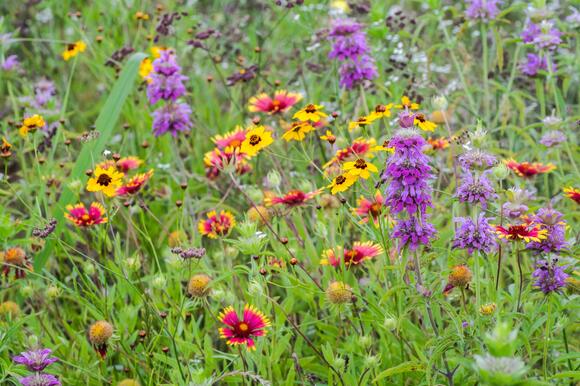
Sourcing the right plants for your specific geographic area is the most important step in establishing a low-maintenance yard. Homeowners can utilize dedicated regional resources—such as the National Wildlife Federation native plant finder—to identify the exact trees, shrubs and perennials that naturally thrive in their local climate zone.
By matching your plant selections to your region’s unique environmental conditions, you create a resilient, self-sustaining landscape that more or less takes care of itself.
Sources:
- Elisa Miret-Pollino, project designer for Connecticut landscape architect Wesley Stout Associates
This article has been adapted from Low-Maintenance Garden Ideas: How to Create a Thriving Garden That Practically Takes Care of Itself by Ann Loynd Burton.
Related: Two Landscaping Pros Name Their Favorite Plants for Winter Interest
 Add to Preferred Sources
