undefined
Posts
undefined
Followers
Your underwater pool light could pose a shock hazard. Here’s how to check for a recall
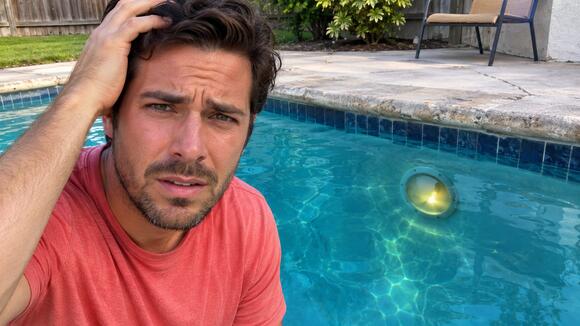
In April 2014, faulty wiring electrified a family’s pool in North Miami. Seven-year-old Calder Sloan died.
Underwater lights are a source of electricity around pools. For a Florida homeowner worried about a recall, the way forward is to match the light’s exact identifying details to a recall notice—not just a picture or a similar product name—and follow that notice’s instructions if it applies.
Why an old pool light is still worth checking
A recall usually has no end date, according to the U.S. Consumer Product Safety Commission. Learning about one years after it was announced does not make the notice irrelevant. Follow its guidance if your light is among the products it covers.
A recall check is also separate from an immediate electrical concern. The commission lists an underwater light that flickers or is on when it should not be as a possible sign that someone in the water is receiving an electrical shock. If someone may be receiving a shock, its instructions are to turn off all power immediately and call emergency services. That is not a situation to sort out by comparing model numbers first.
Find the notice and match your exact light
Search the commission’s Recalls & Product Safety Warnings listings. The search offers date, hazard and category filters. Once you find a notice that sounds relevant, read the product details in the notice itself. A search result is a starting point, not proof that your light is included.
- Compare the brand named in the notice with your light’s brand.
- Compare the exact model number and other product details the notice gives.
- Check whether the notice limits the recall to particular manufacturing dates or date codes.
- Ask a technician to identify details you cannot establish from the information available to you.
The commission says a recall applies only to the specific brand and model identified in its announcement and, in many cases, only to products from certain manufacturing periods. Some recalls cover particular batches rather than an entire product line. A light with a similar name may not qualify; neither does a matching model automatically settle the question if the notice also specifies dates.
Read the hazard description, too. A notice for a submersible light may concern accessible coin batteries rather than pool wiring. Match the hazard and the product details before treating it as an electric-shock recall for your installed light.
If it matches, follow the notice’s stop-use and remedy directions
A recalled product typically should not be used. Read the specific notice for its stop-use instructions and the remedy it offers: repair, replacement or refund. Those are different outcomes, and the notice tells you which one applies. Do not assume an electrical repair is the remedy simply because the product is a light.
Use the company contact information given on the recall page to request that remedy. Follow the instructions closely, including any request for documentation. The commission says a remedy may require photos showing that a product has been destroyed or disabled; that is an example of why the particular notice matters, not a direction to disable an installed pool light yourself.
Contact the company before using the recall complaint form
Contact the company through the recall page’s Consumer Contact information and wait for a response before using the commission’s Recall Complaint Form. That is the commission’s stated order for a problem obtaining a recall remedy. Keep following the notice’s stop-use direction while the remedy is unresolved.
When you describe the problem, use the same identifying details you used to check coverage: the brand, model and any manufacturing date or code specified by the notice.
Ask who will do any pool electrical work
The recall notice tells you what remedy to seek; it does not make identifying or repairing pool wiring a homeowner task. Ask the pool-service technician: Who will confirm the light’s model and manufacturing date if I cannot? Does this remedy involve electrical work, and who is qualified to perform that part? Who will actually perform the electrical portion?
 Add to Preferred Sources
