undefined
Posts
undefined
Followers
Denver transit fares among nation’s highest, may be lowered
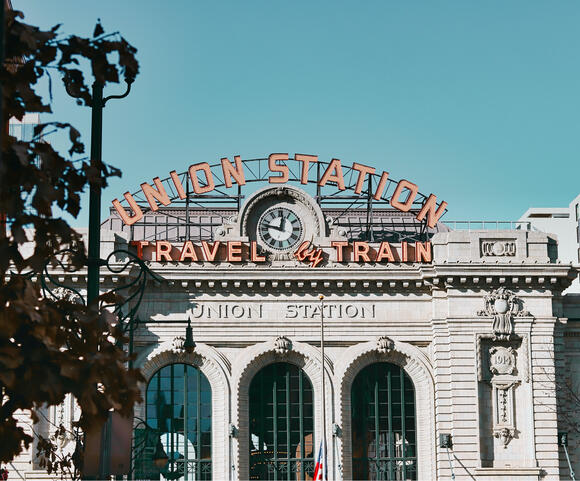
If you want to ride the bus in Denver, be prepared to stuff three bucks into the fare box when you board.
That’s the full adult fare and it’s one of the highest in the nation. The $3 fare is only good for three hours, so if you’re going to an appointment that takes more than a few hours round trip, you likely will have to pay $3 again to get home.
It’s a lot of money if you don’t have an income. Seniors, children, and people with disabilities enjoy reduced fares. A disabled person’s caregiver rides free.
For someone making minimum wage of $12 per hour, one round-trip bus fare ends up costing a rider a half hour’s pay. Imagine if you had to take the bus to your minimum wage job every day, as many do. Transportation costs end up swallowing a large chunk of your earnings.
There is a program for reduced fares for those making at or below 185 percent of the poverty level. You can make up to $1,967 per month for a single person and still qualify. Fares are 40 percent off for approved riders. There is an application, but for people experiencing homelessness who don’t have an address, filling it out is impossible.
Paperwork, address needed for reduced fares
“If you are not already enrolled in Medicaid, SNAP, or Colorado Works, you will need to upload documents (to the Colorado PEAK website) that verify income for you and your adult household member, such as pay stubs, letters from employers, award letters for benefits programs, or other documentation showing income,” RTD explains on its website.
The Denver RTD acknowledged the bloated fares in a recent news release. The organization has embarked on a study of its fares to see if they can be lowered. The comprehensive review will be through a lens of serving vulnerable populations such as people of color, the LGBT community and people experiencing homelessness.
“The process, expected to take a minimum of 18 months, will be the first of its kind for RTD and will include comprehensive public involvement to gain input and feedback from customers, local leaders and agency employees,” according to the news release. “The work will include extensive multicultural outreach, involving culturally specific community organizations that serve the BIPOC (black, indigenous and people of color) communities, youth, seniors, people with disabilities, the unhoused and veterans, as well as those who are (sexual minorities).”
Homeless can’t afford to use mass transit
People experiencing homelessness view bus tickets as currency. They often are traded among the unhoused population for food or hygiene items and other things.
There are organizations in Denver that give out free bus passes to people experiencing homelessness. However, usually only two or three passes are handed out a time. One round-trip appointment can burn through two passes and usually does.
When you’re homeless, for example, you need to visit Denver Human Services to obtain food stamps. Wait times at DHS are long. It’s unlikely you can make the entire trip in three hours, so getting there and back will take two bus passes.
People experiencing homelessness seldom ride the bus because it is so expensive. Many board the RTD light rail without a pass and hope security does not come through. If you’re caught riding the trains three times without a ticket, you’re trespassed.
RTD CEO acknowledges high fares
“I realize that the current fare structure is burdensome for many RTD customers,” RTD General Manager and CEO Debra A. Johnson stated in the news release. “It compromises those who use transit the most, a viewpoint we have heard from the public for some time now and that I have heard in earnest since assuming my role in November.”
Several stakeholder groups have complained to RTD about the expensive fare prices. They have challenged the RTD to develop pilot programs with affordable fares for those who need them.
“RTD exists to provide service to a vast breadth of customers, and the most important question to examine is whether the agency is best meeting customers’ needs,” Johnson said. “I want to understand our customers’ pain points, and an examination of our fares through a lens of equity and accessibility intends to provide that answer.
“Beginning this process now is crucial as RTD charts a road to recovery, and the community will serve as a vital component in helping us understand where our focus must be.”
The fare study and equity analysis will be conducted with guidance from the Federal Transit Administration. “The process is scheduled to start next month with a dialogue with the agency’s Board of Directors, to include discussion of recommendations from previous fare studies and a pass program working group convened in 2017 and 2018,” according to the news release. “The Board could consider approving the fare equity analysis a year from this fall, with any changes implemented in 2023.”
Some places offering free mass transit
According to a news release by U.S. PIRG, a consumer watchdog group, some cities are now offering free mass transit.
“Around 100 cities worldwide have implemented fare-free public transportation, and while several U.S. cities have implemented temporary fare-free policies during the COVID-19 crisis, very few U.S. cities have fully taken the plunge,” the news release states. “One of the few exceptions is Kansas City, Mo., which, in December 2019, became the first major city to pass a resolution to make all of its buses free to ride.”
According to U.S. PIRG, “The most notable challenge is funding. Nothing is truly free (perhaps free transit is a misnomer, zero-fare transit may be better): The total cost of going fare free will be around $8 million per year.
“While the city council unanimously voted to implement free fares, it remains unclear where much of that money will come from.”

 Add to Preferred Sources