undefined
Posts
undefined
Followers
Kids Who Never Learned Cursive Are Running Into These 5 Everyday Problems
By Aileen N,
1 days ago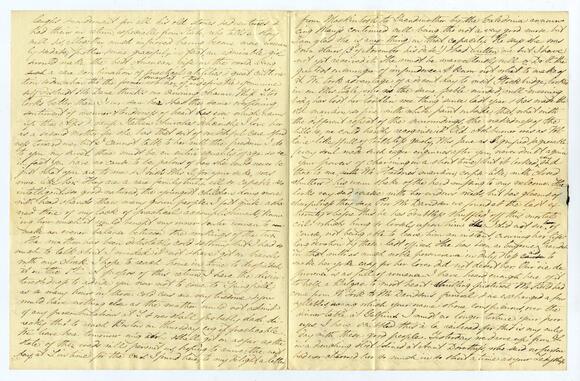
Cursive dropped out of many American classrooms after 2010, and a generation of kids grew up printing and typing instead. Now some of them are discovering that the looped script still shows up in everyday life, from a birthday card to a signature line.
States have taken notice. At least half now have laws requiring schools to teach cursive, according to curriculum publisher Zaner-Bloser, and Florida’s new law requiring students to read and write it took effect this year. Here are five everyday problems kids without cursive are running into.
1. Reading Historical Documents
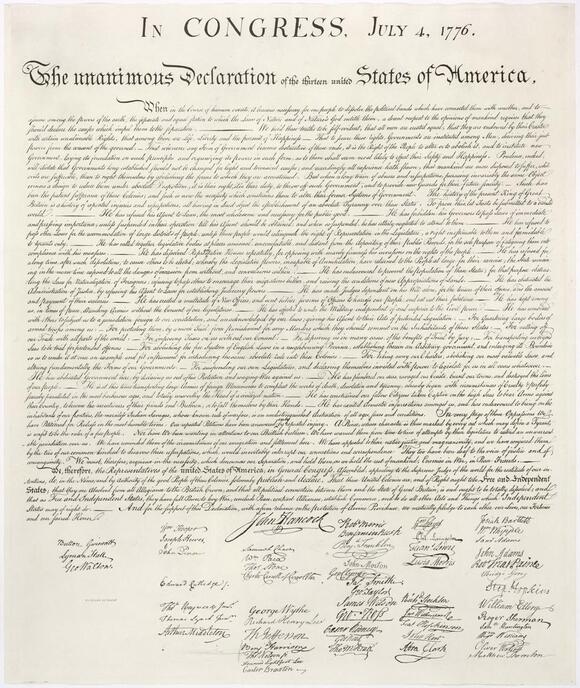
The founding documents were written by hand. Shawn Datchuk, an associate professor at the University of Iowa, wrote in a piece republished by The 74 that understanding cursive is needed to read important historical documents such as the Declaration of Independence. The National Archives posts a typed transcription of the Declaration for readers who cannot make out the original script.
That argument has driven many of the new state laws. California Assemblywoman Sharon Quirk-Silva, a former teacher who wrote her state’s cursive bill, said that a lot of historical documents going back decades are in cursive and that students need to be able to read them, Education Week reported. Old documents are full of words that have fallen out of use, much like these slang words from the swinging ’60s, and handwriting adds one more layer to decode.
2. Reading a Grandparent’s Card
The most personal version of the problem arrives in the mail. Datchuk opened his piece by describing how his 8-year-old son received a birthday card from his grandmother, looked at it and said he could not read cursive yet.
A Nov. 22 column in the Winnipeg Sun, syndicated on MSN, made a similar point, noting that some children today cannot read a letter written by their grandparents. Many families still keep up the handwritten card, one of the little rituals from the ’80s and ’90s that has not quite disappeared. A grandparent’s note is often what grandkids remember most about their grandparents, which makes being able to read it matter. Reading those notes is also a way into the family stories behind them, the kind of detail people later list among the things they regret never asking their grandparents.
3. Signing Their Name
A signature is the one piece of cursive most adults still use. The 74 piece noted that cursive is often used to sign formal documents, and that a signature is the most familiar example of letters joined by connecting strokes.
Supporters of cursive laws have leaned on that point. Alabama state Rep. Dickie Drake, who introduced a bill requiring schools to teach cursive that became law in 2016, argued that a person’s cursive identifies them as much as their physical features, according to Education Week. Without cursive, a signature can end up looking like a printed name. Famous handwriting can carry real value, too, as when Marilyn Monroe’s handwritten stuffing recipe sold at auction. Handwriting has been getting renewed attention lately, in step with other boomer habits that are making a comeback.
4. Reading Old Family Letters and Recipes
Family history often lives in handwritten pages. The Winnipeg Sun columnist, a University of Ottawa education professor, wrote that his children’s great-great-grandfather kept a diary in cursive more than a century ago, and that once readers get used to the handwriting, the pages become a conversation across generations.
Recipes are part of that archive. Handwritten recipe cards can become treasures, and many families still use cards from the things Southern grandmothers kept in every kitchen. Old letters turn up alongside other forgotten household items from the past. The National Archives even recruits volunteers through its Citizen Archivist program to transcribe historical documents, much of it handwritten.
5. Catching Up to New School Requirements
The rules are changing quickly. Florida public school students must now show proficiency in cursive by the end of fifth grade under a state law that took effect July 1, WFTV reported on Nov. 9. The law requires instruction in grades three through five and explicitly includes the ability to read cursive, with proficiency determined locally.
Zaner-Bloser reports that Pennsylvania’s bill passed in February 2026 by a 42-5 vote with three abstentions, and that California’s Assembly Bill 446 passed 79-0 in 2023. Education Week described California as the most recent of a growing number of states reintroducing cursive into curriculum standards at the time. Zaner-Bloser adds that Georgia added cursive to its English Language Arts standards in 2025, requiring students in grades 3 through 5 to read and write it, and that Missouri’s learning standards list legible cursive as a benchmark for grades 2 and 3.
The trend line is steep. Education Week reported that 14 states required cursive instruction in 2016 and 19 did by the 2018-2019 school year, citing the tracking site mycursive.com. Zaner-Bloser now puts the count at at least half of all states, noting that the number has nearly doubled in 10 years and that New York and Michigan are reviewing bills. North Carolina was among the first states to pass such a law, in 2013, in response to the Common Core standards, which did not specifically require cursive.
For kids who came through school in the years when cursive was skipped, the practical fix is simple. Practice sheets, a few minutes with a grandparent’s old letters, or a holiday card written in script can help close the gap before the next birthday card arrives.
Get stories like this by email.Sign up for Crafting Your Home.
This article was produced with AI assistance and edited for accuracy against the sources linked above.
Image: Fanny (Appleton) Longfellow, 1840 letter – Public domain / Wikimedia Commons
 Add to Preferred Sources
