undefined
Posts
undefined
Followers
6 Things Not Allowed When Cutting a Christmas Tree in a National Forest
By Houston Taabu,
3 hours ago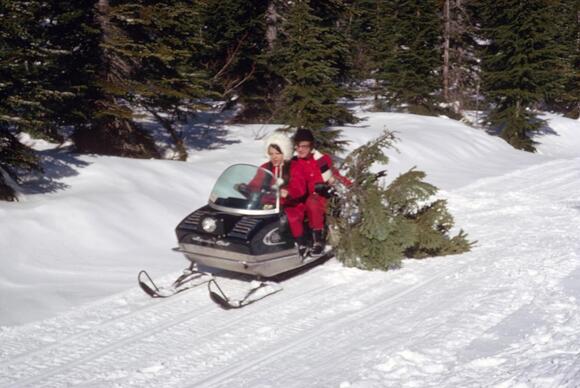
Get a permit first. Cutting a Christmas tree in a national forest starts with paperwork, and U.S. Forest Service pages for the Pike-San Isabel National Forests in Colorado and the Lolo National Forest in Montana spell out six things that are not allowed. Rules vary by forest, and permits are sold on Recreation.gov, so the page for the local forest is the one to follow.
The six rules below run from the permit requirement to the distance a tree must stand from a main road, with the differences between forests noted along the way.
Tree-cutting season is opening now, and cutters who are also planning the rest of the holiday can read a guide to signs of a fresh Christmas tree and a story on odd American traditions that confuse the rest of the world.
1. Cutting without a valid permit
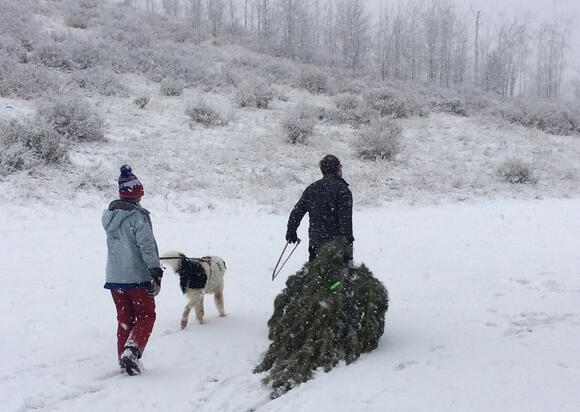
The Pike-San Isabel permit page says cutting without a valid permit is “subject to a fine of up to $5,000 and/or six months imprisonment.” Permits bought on Recreation.gov must be printed to be valid, the printed permit goes on the vehicle’s dashboard and travels with the cutter in the forest, and the tag goes on the tree’s main stem before the tree is transported.
The Lolo National Forest page says permits are available on Recreation.gov or at a local ranger station. Online buyers pay a small transaction fee on top of the permit fee, and fourth graders who enroll in Every Kid Outdoors may be able to get a free permit.
2. Using a chainsaw
On the Pike-San Isabel, cutters may use only an axe or a hand saw, and the forest says plainly that chainsaws are not permitted. Rules on tools can differ from forest to forest, so the local office is the place to confirm what is allowed.
Arizona offers another example of local variety. KJZZ reported on Nov. 13 that permit holders in the state’s forests are expected to bring their own materials for cutting and removal, and that each forest limits the size and species of trees. Permits at the Kaibab, Apache-Sitgreaves and Tonto forests were on sale then, at $15 to $20, while Prescott’s were sold out and the Coconino’s were due to go on sale Nov. 14. Kaibab allows a maximum of five trees and Apache-Sitgreaves up to three.
For comparison, a Real Christmas Tree Board survey put a 6-foot tree near $80, as covered in a story on 2026 Christmas tree prices. The trip itself needs the right gear, and common mistakes every camper should avoid is a useful read before heading out in cold weather.
Gear is one side of the trip, and the tree at home is the other. Once it is up, there are six things never to do with a live Christmas tree, and cold evenings suit a project from a list of cozy crafts to make for a hygge winter.
3. Cutting off only the top
Both Forest Service pages tell cutters to take the whole tree. The Pike-San Isabel page says not to cut off the top of any tree, and the Lolo page says the same: cut the entire tree, not just the top. For many families the hunt is part of the outing, a theme that runs through a piece on why family camping is a way to bond and unplug.
Size limits are separate rules. The Pike-San Isabel allows a tree up to 15 feet tall or 6 inches in diameter at the ground, while the Lolo caps height at 12 feet. A tall tree at home may need a trim, as the story on setting up a real Christmas tree explains, but that cut belongs in the living room rather than the forest.
4. Leaving a high stump
The Pike-San Isabel instructs cutters to cut at ground level, limb the tree, scatter unused portions and avoid high stumps. The Lolo is specific about the number: stumps may be no more than 6 inches high and 6 inches in diameter.
The Lolo page also advises clearing snow from around the stump so the measurement is accurate, and it asks cutters to trim leftover branches from the stump and scatter them. Dragging a tree strips needles and bark, and the page suggests a tarp or canvas if it will not fit inside a vehicle.
5. Cutting in off-limits areas
The Pike-San Isabel lists recreation areas, timber sale areas, campgrounds, ski areas, wilderness and trailhead areas as off limits. The Lolo says not to cut on private land, in wilderness areas, in designated campgrounds or in existing tree plantations, and to stay out of active timber sales and recently planted areas.
The Lolo also names three recreation areas that are closed to cutting: Blue Mountain, Rattlesnake and Pattee Canyon. Cutters on that forest are asked to follow the Motor Vehicle Use Map for road and trail limits.
6. Cutting near main roads
The Pike-San Isabel requires the tree to be at least 200 feet from main roads, recreation sites and campgrounds. The Pike-San Isabel also says cutting should happen at least 50 feet from roads, trails or waterways. The Lolo tells cutters to avoid trees visible from major roads and heavily used areas.
Winter roads add their own limit. The Pike-San Isabel page says certain forest roads close for the season beginning each Dec. 1, and most Forest Service roads are unplowed, so cutters are told to check alerts and contact the local office before leaving.
Arizona’s forests point cutters to maps at recreation.gov/tree-permits, according to KJZZ, and permit holders there are encouraged to cut trees from overstocked areas. Because the rules differ by forest and can change, the permit page for the specific forest, along with a call to the nearest ranger station, is the final word before a saw leaves the truck.
Get stories like this by email.Sign up for Crafting Your Home.
This article was produced with AI assistance and edited for accuracy against the sources linked above.
Image: U.S. Forest Service- Pacific Northwest Region – Public domain/Wikimedia Commons
 Add to Preferred Sources
