undefined
Posts
undefined
Followers
5 Things Never to Do With an Electric Blanket
By Emma Flavia,
8 days ago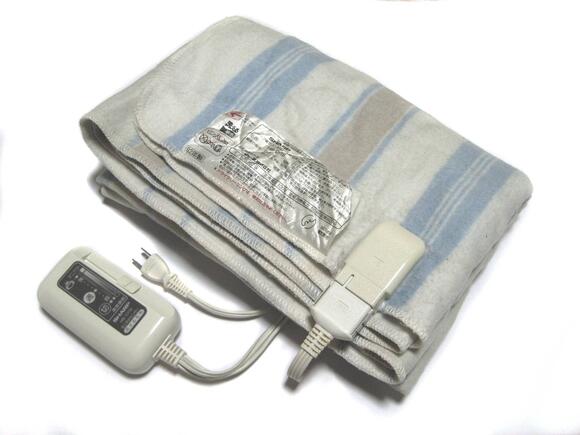
When the first cold snap hits, the electric blanket comes out of the closet. Most are used without a second thought, yet the federal Consumer Product Safety Commission (CPSC) lists specific habits to avoid with them. Five rules from the agency’s Home Electrical Safety Checklist, backed up by guidance from State Farm and Fairfax County Fire and Rescue, cover what never to do.
None of the five takes much effort to follow. They come down to keeping the heating wires flat, uncovered, undamaged and plugged straight into the wall.
1. Never Keep Using One That Is Damaged
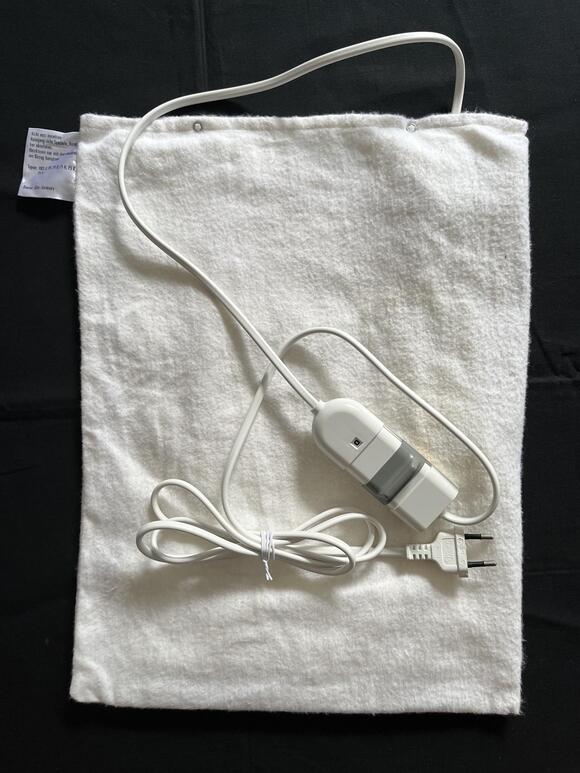
The CPSC says to discard an electric blanket if its wiring, plugs or connectors are cracked or broken, or if it has dark, charred or frayed spots on either side. State Farm’s guidance lists similar warning signs: tears, scorch marks, exposed wiring and melted areas, plus any recall notice. It also advises unplugging the blanket right away if there is a smell of burning, smoke, sparks or buzzing, and never trying to repair internal wiring or controls at home.
Fairfax County Fire and Rescue adds the catch that internal damage cannot be seen from outside. If there is doubt about a blanket’s condition, the department suggests retiring its heating function; it can still serve as an ordinary, unplugged blanket. For another winter-prep read, this site has a look at fireplace and chimney checks before the first fire, and Frenz Hub has tips on growing into winter with elevated garden beds.
2. Never Pile Anything on Top While It Is On
The CPSC’s checklist says not to allow anything on top of an operating electric blanket, including other blankets or pets, since it may overheat. It even cautions about a light bedspread if the instructions are unclear. Fairfax County’s list says the same about toys, pillows and stuffed animals: trapped heat can build up to the point of ignition. For anyone planning other cold-weather home checks, this site has a guide to extension cord mistakes with holiday lights, and Frenz Hub has a roundup of boomer habits that are making a comeback.
State Farm points out one more twist for animal lovers. A human electric blanket is not a pet bed, because pets can damage the fabric and cords, and their weight can trap heat. A product made for pets is the better choice for extra warmth, and its instructions should be followed. This site’s reminder about clothes dryer safety from fire officials and Frenz Hub’s holiday gift guide for cat people both fit a home where a pet is likely to claim the warmest spot.
3. Never Fold or Bunch It While It Is Running
The CPSC is direct: never fold an electric blanket while it is in use, because folded blankets may overheat. State Farm agrees, advising that the blanket be laid flat while on and rolled or loosely folded for storage, never tightly folded, bunched up or stored under heavy items.
Fairfax County Fire and Rescue offers the reason. A balled-up blanket that stays powered can overheat internally, and rough folding can harm the internal coils. Most models, the department notes, have no internal temperature control to shut them off. For more winter home prep, this site has a guide to things never to leave outside through winter, and Frenz Hub has a roundup of vacuums for pet hair and house guests for the bedroom clean-up that follows.
4. Never Tuck It In Tightly or Pinch the Wires
The CPSC says that if an electric blanket is tucked in, it should be untucked, and that the heat-producing wires should never be pinched or bent around corners, since damaged wires can create a fire hazard. State Farm similarly advises against tucking it tightly under the mattress and against running cords under a mattress, rug or furniture where they can be pinched.
Weight matters too. Fairfax County notes that sitting or lying on the blanket can damage its internal coils and expose the heating element to the fabric around it, and State Farm says pressure can damage heating elements in heated throws and over-blankets that are not designed for it. Keep the controller and cord clear of pillows and the mattress, and the controller itself should not get unusually hot.
5. Never Plug It Into an Extension Cord or Leave It On Unattended
State Farm’s checklist is firm about power: plug the blanket directly into a wall outlet and do not use an extension cord or power strip. Cords should stay visible and be checked for cracks, fraying, bent prongs or loose connections, and the plug, not the cord, should be pulled when unplugging.
The same list says to turn the blanket off and unplug it when it is not in use or when leaving home, a point Fairfax County echoes. State Farm also advises testing the heat settings and automatic shutoff while awake, and using the lowest comfortable setting. A blanket with no label or an unknown history, or an older one with heavy wear, may be worth replacing, State Farm says, though there is no single replacement age.
Finally, the CPSC recommends running through its electrical checklist every six months, and says moving into a home or changing the clocks are good times to do it. Inspecting the blanket before each season, as State Farm advises, makes it a natural item on that list. The five habits above are simple, and each one is spelled out in the guidance from the CPSC, State Farm or Fairfax County.
Get stories like this by email.Sign up for Crafting Your Home.
This article was produced with AI assistance and edited for accuracy against the sources linked above.
Image: Qurren – CC BY-SA 3.0/Wikimedia Commons
 Add to Preferred Sources