undefined
Posts
undefined
Followers
5 Things Never to Do With Fireplace Ashes
By Emma Flavia,
2 days ago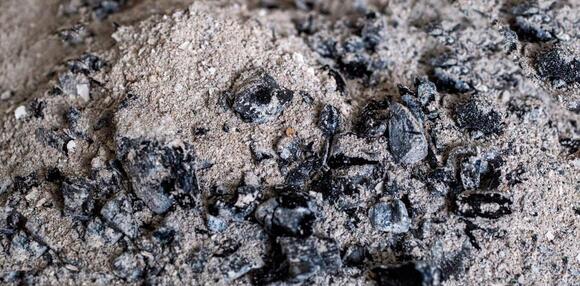
A fireplace that looks cold on Sunday evening can still hold glowing coals on Wednesday. That is the reason fire agencies give for five firm rules about what never to do with fireplace ashes, and the rules matter more as colder air sends more households back to the fireside.
The advice below comes from the U.S. Fire Administration, which is part of FEMA, along with fire departments in Fairfax County, Virginia, and Montgomery County, Maryland, and a property insurer’s guidance. Each rule is something fire officials say to avoid, not a suggestion.
Why Ashes Stay Hot Longer Than They Look
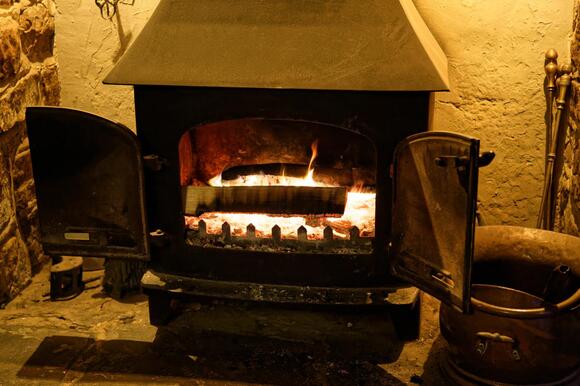
Montgomery County Fire and Rescue’s tip sheet explains that coals and ashes can stay hot enough to reignite a fire for many days after a fire is out. Its advice is to assume every pile of ashes is hot, even when it seems to have had plenty of time to cool.
The U.S. Fire Administration’s own heating handout gives the matching basics for the fireplace itself: keep a glass or metal screen in front, put the fire out before going to sleep or leaving home, and do not burn paper. What comes before the ashes is covered in a guide to checks for the fireplace and chimney before the first fire of the season, and cozy evenings by the fire belong to the old routines in a roundup of boomer habits that are making a comeback.
What Never to Do on Cleanup Day
1. Never Empty Ashes Directly Into a Trash Can
The U.S. Fire Administration’s ash-disposal pictograph is blunt: “Never empty the ashes directly into a trash can.” It pairs the rule with a drawing of a bucket being tipped into a bin and marked with a red X.
The rule is about what the bin holds, since ashes are not the only thing that does not belong there. Households that also check what goes in the bin can browse a list of things that are illegal to throw in the trash in some states, and a slower evening routine, like the ones recalled in a look back at little rituals from the ’80s and ’90s, leaves time to do the job right.
2. Never Dump Ashes Before They Have Cooled
The federal pictograph’s first step is to allow ashes to cool before disposing of them. How long is longer than most people guess. Fairfax County’s fire department says to wait at least four days before dumping fireplace ashes, and to keep the damper open until the ashes are cool. Waiting is a theme of winter home care generally, as a piece on things that should never be left outside through the winter shows.
Montgomery County puts the idea differently: allow ashes and coals to cool for several days where the fire was, then transfer them to a metal container and wet them down. Garden beds, where cooled ashes may eventually go, are the subject of a guide on elevated garden beds for fall greens and herbs. The federal pictograph also shows pouring water on the ashes. The wider routine for the season is laid out in a guide to things never to do when heating a home this winter.
3. Never Use a Paper Bag, Cardboard Box or Plastic Container
Fairfax County’s tip sheet is emphatic in capitals: never use a paper bag, a cardboard box or a plastic trash bag. Montgomery County adds plastic containers and buckets to that list and recommends a metal ash bucket with a tight-fitting metal lid, with no other combustibles placed inside. A vacuum, like the ones compared in a guide to Shark and Bissell models for pet hair, is not the answer either, as the fifth rule explains.
The same point appears in a property insurer’s disposal guide, which describes a sturdy, fireproof container with a handle and a tight lid and says never to put ashes in a plastic, rubber or paper container or bag. The USFA pictograph agrees: use a tightly covered metal container.
Where the Bucket Goes and What Never Touches the Ashes
4. Never Store the Ash Container Inside, in the Garage or on a Deck
The U.S. Fire Administration’s rule is to keep the covered metal container at least 10 feet away from the home and any other buildings, and its heating handout repeats the 10-foot figure. Fairfax County says a garage, house or deck is a dangerous place for ashes to cool.
Montgomery County widens the list of places to avoid to include porches and fences. It also advises keeping the bucket away from woodpiles, a point echoed by the insurer, which names yard waste and flammable decorations as other things to keep clear.
5. Never Vacuum Ashes
Three of the sources say the same thing about cleanup tools. Fairfax County says never use a vacuum cleaner to pick up ashes, Montgomery County says the same in capital letters, and the insurer repeats the warning. A shovel and a metal bucket are the tools the fire agencies describe, and a household vacuum is meant for other jobs.
Montgomery County adds one more caution: do not dispose of ashes outside on a windy day, because wind can carry hot embers.
Where Cooled Ashes Can Go
Once the cooling time has passed, Fairfax County says garden areas and flower beds are ideal places to dump cooled fireplace ashes, while wooded areas should always be avoided. Before dumping, the county advises clearing dry leaves from the spot and wetting it.
One difference worth noting is that the insurer cautions against putting coal ash on a garden, so the garden advice applies to wood ash from a wood-burning fireplace. Local rules can also differ, so a quick call to the local fire department settles any doubt.
The common thread across all five rules is patience. A bucket of ashes that sits outside, covered and wet, for a few days costs nothing. A bucket emptied too soon into the trash, the garage or a wooded corner can start a fire.
Get stories like this by email.Sign up for Crafting Your Home.
This article was produced with AI assistance and edited for accuracy against the sources linked above.
Image: চিত্রকথক – CC BY-SA 4.0/Wikimedia Commons
 Add to Preferred Sources