undefined
Posts
undefined
Followers
7 Things Never to Do When Handling or Storing Gasoline
By Emma Flavia,
12 days ago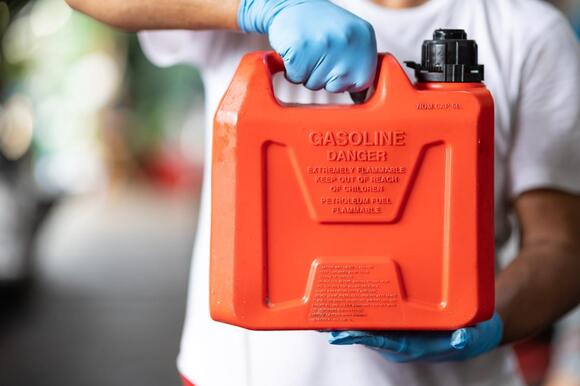
Seven things never to do when handling or storing gasoline, according to the Chatham County, North Carolina, Fire Marshal’s Office, are filling a portable container inside a vehicle, refueling a hot or running engine, using an unapproved container, using gasoline near flame, lighting a barbecue with it, keeping it in the house or garage and storing it in glass or plastic bottles. Leaf blowers, generators, snow blowers and the last of the mowers all run on the stuff in November, which makes a short refresher worth the read. Each item below is paired with the reasoning fire officials give, plus a second source from the National Park Service’s fire program.
The seven rules run from the pump to the storage spot, and none of them calls for special equipment, only a little patience.
At the Pump and the Mower
1. Never fill a portable container inside a vehicle, trunk or pickup bed
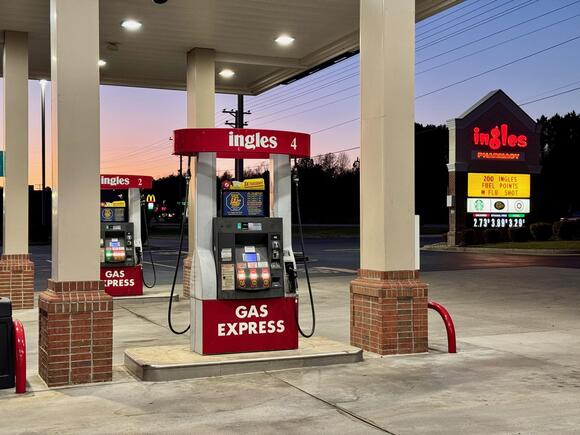
The Chatham County page says a portable gas can belongs on the ground while it is filled. The National Park Service’s article on gas cans, last updated Oct. 20, 2016 and written by Gateway National Recreation Area Fire Chief Tim Regan, gives the same advice and adds why: keep the nozzle touching the rim of the can to help dissipate static electricity, and fill by hand without the nozzle’s trigger lock. The ground is the safer floor for the job. Anyone who has ever turned a station stop into a long errand will find the habit a small inconvenience, and the same careful mindset shows up in a list of nine things never to leave in a car when temperatures drop.
2. Never refuel equipment while the engine is running or hot
Mowers, trimmers and chain saws should be shut off and given time to cool before they are topped off. The Chatham County fire marshal’s page says to refuel gasoline-powered equipment only with the engine off and cold. The National Park Service article makes the same point for vehicles: turn off the engine and put out cigarettes and open flames before fueling. With a hard freeze reaching into the South in the forecast, plenty of generators and snow blowers are about to come out of hiding, and Frenz Hub’s guide to seasonal storage covers putting gear away properly.
3. Never pour gasoline into containers not approved for it
Milk jugs and other food containers may look handy, but the National Park Service article says to use only UL-listed gasoline safety cans, and notes that food containers do not reliably hold liquid or vapors. It also advises inspecting cans and replacing any that are damaged, missing parts or leaking. A good can is cheap compared with the cost of a spill, and the same logic applies to the things never to put in a garbage disposal: the right tool for the job matters. Frenz Hub’s roundup of clever storage hacks helps with finding a proper home for the can.
Around Flames and Grills
4. Never use gasoline near matches, cigarettes, pilot lights or other flame or spark sources
The fire marshal’s page names matches, cigarettes and pilot lights specifically. The page adds that gasoline should be used only outdoors or in a well-ventilated area, and the park service article tells fuelers to put out cigarettes and open flames first. A related emergency-readiness list, 15 things never to do when the power goes out, covers the other tools people grab when the lights are off.
5. Never use gasoline to start a barbecue fire
This one is a classic backyard mistake. The Chatham County page says to use products labeled as charcoal starters instead. For anyone who needs a refresher on lighting charcoal the sensible way, Frenz Hub has four methods for starting a charcoal grill, and not one of them involves a gas can. Its tips for smoker-grill combos are a safer place to look for grilling upgrades.
Where Gasoline Waits
6. Never store gasoline in the house or garage
The fire marshal’s page says not to store gasoline in the house or garage. If storage is unavoidable, the page says to pick a well-ventilated spot away from the house, use approved safety cans with flame arrestors and pressure-release valves, and keep the fuel locked up and out of children’s reach. The National Park Service article takes a workplace view, saying cans should go into a flammables locker or other secure location after each shift. Both sources point to a separate, secure spot, not the kitchen or the garage beside the furnace, as the place for a can that has to stay on the property.
7. Never store gasoline in glass or plastic bottles
Glass breaks, thin plastic can leak, and neither is built for fuel vapors. The Chatham County page lists glass and plastic bottles by name as containers to avoid. The National Park Service article similarly says to leave cans out of the passenger compartment, wipe them clean before they go into a vehicle, secure them so they cannot slide, and avoid leaving them in a vehicle for long periods.
Also worth knowing is the 95 percent rule that the National Park Service article gives for filling a can: stop at about 95 percent of capacity to leave room for the fuel to expand as temperatures rise. A can filled to the brim and left in a warm spot is a can asking for trouble.
The seven rules ask for an approved can, a patch of open ground, a cool engine, a safe distance from flames and a storage spot away from the house. That is a short list for something that burns as easily as gasoline does.
The Chatham County page is an evergreen safety reference with no publication date, and the National Park Service article carries its 2016 update date, so the advice here is general guidance, not breaking news. Local rules on fuel storage can differ, and a city or county fire marshal’s office is the right place to ask about the requirements where a home sits.
Get stories like this by email.Sign up for Crafting Your Home.
This article was produced with AI assistance and edited for accuracy against the sources linked above.
Image: Tony Webster – CC BY 2.0/Wikimedia Commons
 Add to Preferred Sources