undefined
Posts
undefined
Followers
3 Things Never to Do When Driving on Ice or Snow
By George Michael,
10 days ago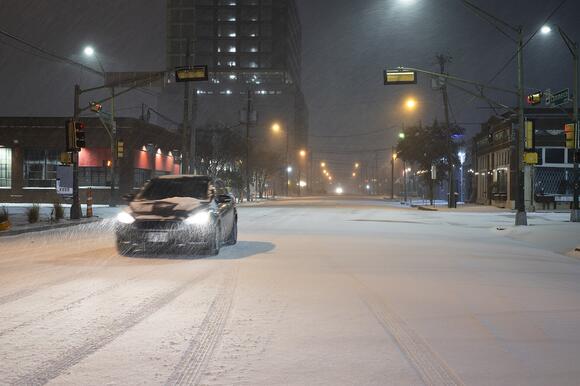
Snow turns familiar roads into something else, and the habits that work on a dry afternoon can quietly stop working. AAA’s winter driving advice boils the problem down to three things a driver should avoid: holding clear-weather speed, braking and turning at the same moment, and following too closely.
AAA Western and Central New York laid out the three in a January 12, 2023, article and in an earlier January 10, 2022, piece titled “What NOT to Do When Driving in the Winter.” The club notes that 24% of weather-related crashes occur on snowy, slushy or icy roads.
Holding Clear-Weather Speed
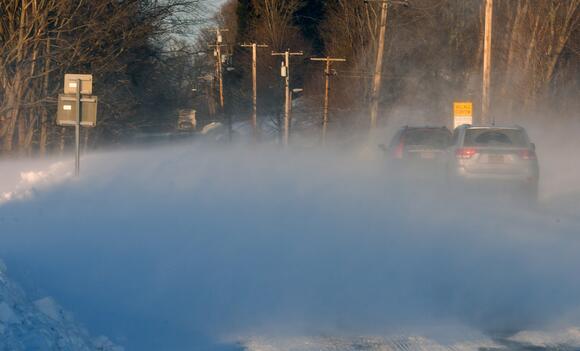
The first mistake is continuing at the same speed used in clear, dry conditions. AAA says rain, snow and ice can dramatically reduce a tire’s traction, and the fix is to slow down to win back some of what the weather took.
The same advice shows up in AAA Club Alliance’s tips for driving on ice and snow, written by Gina Zammit and published October 17, 2023. It says to slow down, to accelerate, turn and brake gradually, and to leave cruise control off on slippery roads. The article also warns against powering up hills, since extra gas on snow-covered pavement may only spin the wheels. A driver is better off building a little momentum before the hill and letting it carry the car to the top.
The speed question is bigger than one trip, and a look at where early-season snow could reach this fall shows why plenty of drivers will meet it soon. For the cars doing the traveling, tires matter too, as one frenzhub review of the best tires for travel trailers suggests.
Braking and Turning at the Same Time
The second mistake is braking and turning together, or being rough with the steering and the pedals. AAA explains that asking the car to do two things at once makes tires more likely to lose traction. Its order of operations is simple: brake first, then turn, then accelerate. Crashes are a daily risk in busy places, as a list of 15 cities with the most car accidents shows, and winter has other “never” lists, such as seven things never to do when heating a home this winter.
AAA says a driver who is not gentle with steering, acceleration and braking can upset the vehicle’s balance and raise the chance of a skid. It advises smooth inputs throughout. If a skid starts, slamming on the brakes can make it worse, and the driver should keep looking and steering in the direction the car should go.
Club Alliance adds its own version. Every turn of the wheel or tap of the brakes shifts the car’s weight, it says, and on a slick surface that balancing act can end in a slide. It also advises avoiding unnecessary lane changes, which raise the chance of hitting a patch of ice between lanes, and braking on ice as little as possible. Weather-wise, drivers heading out for the holiday can check which regions look mild or colder for Thanksgiving week before choosing a route. When the forecast looks bad enough to cancel plans, seven cozy crafts for a hygge winter make a fair backup, and so do 10 birds that keep showing up at backyard feeders all winter and elevated garden beds for fall greens and herbs.
Following Too Closely
The third mistake is trailing other vehicles as closely as on dry roads. AAA says slick roads mean a car cannot slow as quickly, so the gap has to grow. The 2022 and 2023 AAA Western and Central New York articles both recommend a following distance of at least 5 to 6 seconds, and they suggest keeping open space to at least one side of the car in case an emergency lane change is needed.
The 2023 article’s longer list of snow tips gives a bigger cushion: the normal dry-pavement following distance of three to four seconds should rise to eight to ten seconds. Club Alliance puts it as at least three times more space than usual between a driver and the car ahead. The numbers differ, but the direction is the same, and every source says to give the car in front far more room.
What AAA Adds on Hills, Brakes and Staying Home
Club Alliance gets advice from driving instructor Jim Earnshaw, who has more than 50 years of professional driving experience. He urges checking tires for wear and correct pressure, clearing windows, mirrors and lights of snow and ice, and sitting properly, with hands at nine and three o’clock. He also suggests leaving bulky gloves and heavy boots for outdoor adventures, since they can dull the feel of the wheel and pedals.
The New York article adds a few more habits to avoid: stopping if a driver can keep rolling until a light changes, stopping while going up a hill, and heading out at all when there is no need. Its blunt version is to stay home when possible, because even a driver who handles snow well shares the road with some who do not.
AAA also notes that a driver stranded in a car should stay with it and stay calm, call 911 in an emergency, keep the tailpipe clear of snow and crack a window open a bit until help arrives.
Get stories like this by email.Sign up for Crafting Your Home.
This article was produced with AI assistance and edited for accuracy against the sources linked above.
Image: Matthew T Rader – CC BY-SA 4.0/Wikimedia Commons
 Add to Preferred Sources

