undefined
Posts
undefined
Followers
12 American Ghost Towns Visitors Can Still Walk Through
By Olu Ojo,
16 days ago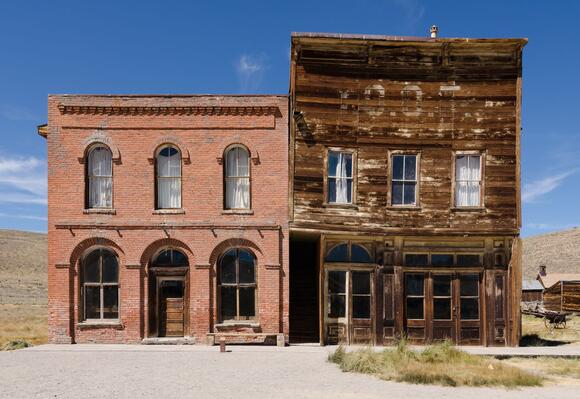
Across the country, abandoned mining and logging towns still stand open to visitors. Some are protected as state or national park sites, while others are managed by federal agencies. Here are twelve ghost towns where visitors can still walk the streets and see the buildings left behind.
1. Bodie: a gold town kept in arrested decay
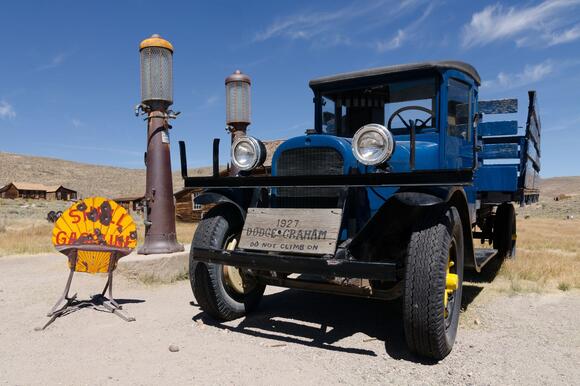
Bodie State Historic Park preserves a former gold-mining town about 13 miles east of Highway 395 on Bodie Road, northeast of Yosemite. A mine cave-in in 1875 revealed a rich vein of ore, and the town grew to roughly 8,000 people and about 2,000 structures.
Fires in 1892 and 1932 left fewer than 10 percent of those buildings standing. The site has been protected as a state historic park since 1962 and is kept in a state of “arrested decay.” At 8,375 feet, it is accessible in winter only by skis, snowshoes or snowmobiles.
2. Rhyolite: a boomtown built from bottles and rail
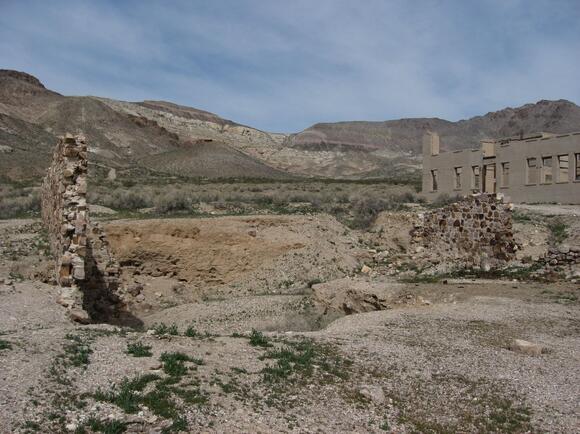
Rhyolite, Nevada, began in early 1905 as one of several mining camps in the Bullfrog Hills, about 120 miles northwest of Las Vegas near the eastern edge of Death Valley National Park. Scholarly sources place its peak at roughly 3,500 to 5,000 residents around 1907 and 1908.
The richest ore ran out and the Montgomery-Shoshone Mine closed in 1911, and the 1920 census counted 14 residents. Ruins that remain include the mission-style train depot built for the Las Vegas and Tonopah Railroad and the Bottle House, which Tom T. Kelly built in 1906 from about 50,000 discarded bottles.
3. Kennecott: a copper town in the Alaska wilderness
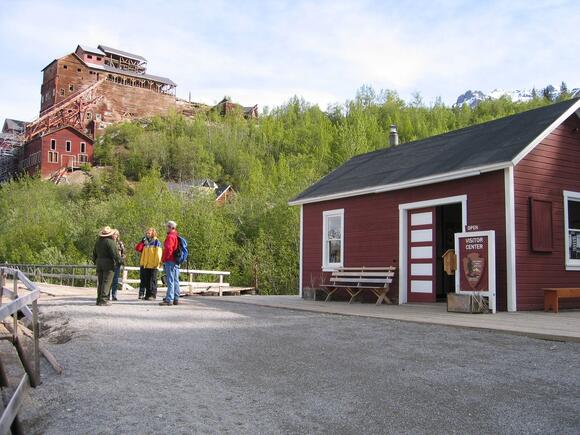
Kennecott Mines National Historic Landmark in Wrangell-St. Elias National Park was a self-contained company town with a hospital, general store, school, skating rink, tennis court and dairy. Its ore held as much as 85 percent copper, compared with about 10 percent for a typical deposit.
Operations closed in 1938 as high-grade ore declined and railroad repair costs rose. The site became a National Historic Landmark in 1986, and the Blackburn School now serves as the Kennecott Visitor Center, while the General Store and Post Office holds the most extensive exhibits.
4. Bannack: Montana’s first territorial capital
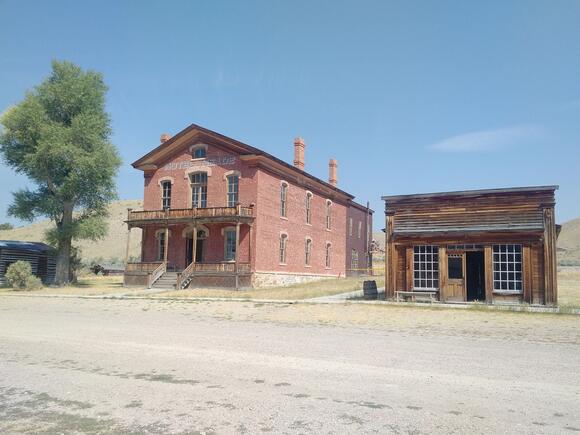
Bannack State Park in Dillon, Montana, marks the site of the state’s first major gold discovery on July 28, 1862. The strike drew a rush that grew the town to more than 3,000 people by 1863, and Bannack became Montana’s first territorial capital.
More than 50 historic log and frame buildings line Main Street within the 1,529-acre park. It is open year-round, with tours leaving from the visitor center, and an annual Bannack Days event is held on the third weekend in July.
5. St. Elmo: a town named for a novel
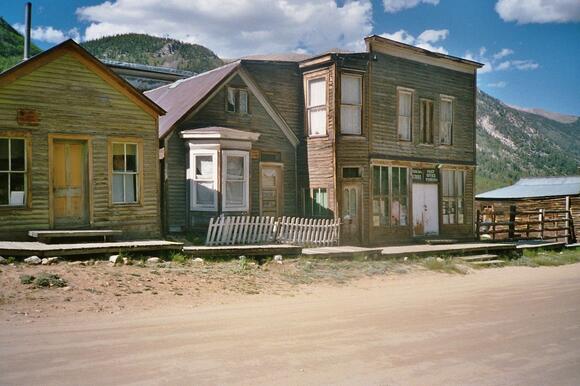
St. Elmo, Colorado, was founded in 1880 in the Sawatch Range as Forest City and was renamed after a founder chose the title of a novel he was reading. Gold and silver mining drew nearly 2,000 people, and the Mary Murphy Mine recovered more than $60 million in gold.
Mining declined in the early 1920s and the railroad stopped service in 1922. The town, 20 miles southwest of Buena Vista at 9,961 feet, has been a National Register Historic District since 1979, and a rebuilt town hall replaced one lost in a 2002 fire.
6. Garnet: a Montana gold camp with remarkably intact buildings
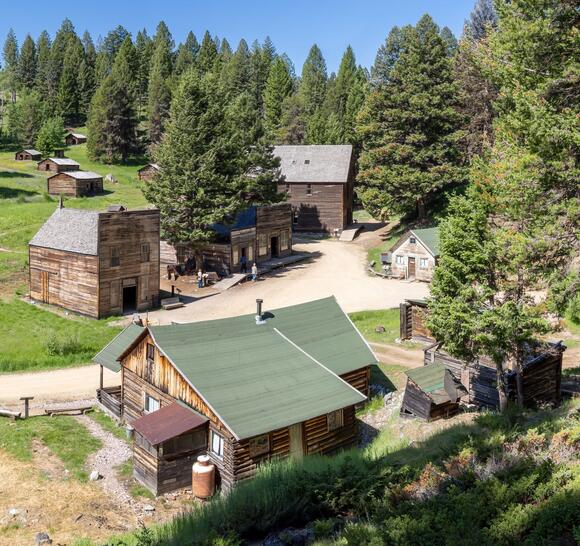
Garnet Ghost Town sits about 40 miles east of Missoula, Montana, in the Garnet Mountain Range at roughly 6,000 feet. Gold mining brought about 1,000 residents during the 1890s boom, and the town was largely abandoned after the gold ran out.
The Bureau of Land Management describes its historic buildings as remarkably intact. Garnet Range Road is paved for the first 4 miles and gravel for about 9 more, and from January through April it closes to wheeled vehicles and becomes a winter trail for snowmobiles, skis and snowshoes.
7. Calico: a silver camp restored by the Knott’s Berry Farm founder
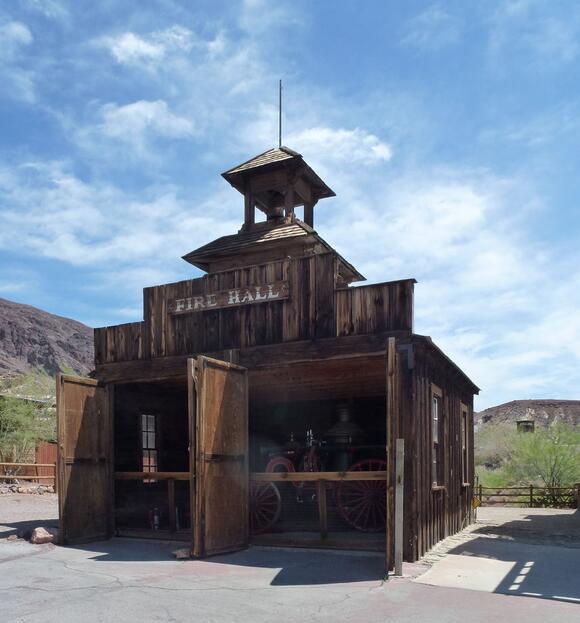
Calico, California, was founded in 1881 as a silver mining town in the Calico Mountains of the Mojave Desert, near Barstow and Yermo off Interstate 15. Walter Knott, founder of Knott’s Berry Farm, bought it in 1951.
Knott had artist Paul von Klieben restore the town using old photographs and the memories of longtime residents, though only five original buildings remained. He donated the town to San Bernardino County in 1966, and it is now a county regional park.
8. Terlingua: a quicksilver town near Big Bend
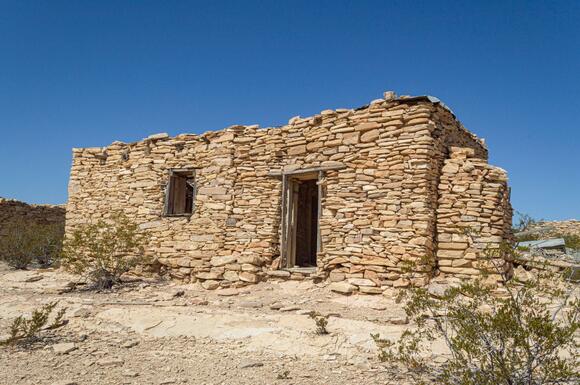
Terlingua, Texas, grew around cinnabar, the source of quicksilver, which drew miners to the area in the mid-1880s. The Chisos Mining Company, run by Howard E. Perry, was the largest operation, and its Chisos Mine produced about 100,000 flasks before closing after World War II.
The ghost town sits in Brewster County near Big Bend National Park and the Rio Grande. Terlingua Cemetery has graves dating to 1903, and chili cookoffs held each year on the first Saturday of November are said to draw more than 10,000 people.
9. Elkmont: a mountain retreat from the logging era
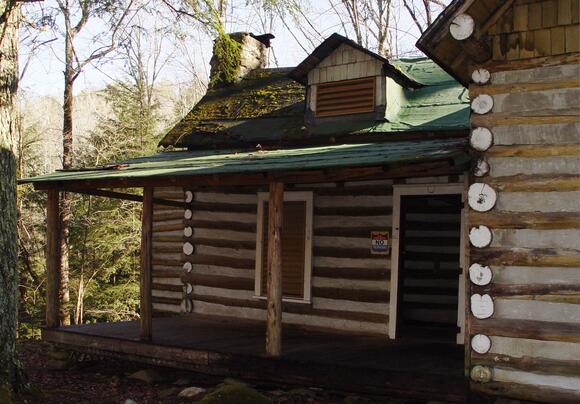
Daisy Town at Elkmont in Great Smoky Mountains National Park sits on the former site of a logging camp near Jakes Creek. Wealthier families, mainly from Knoxville, Tennessee, built it in the early 1900s as an “exclusive weekend and summer retreat” before the national park was created.
The preserved vacation homes date from between 1910 and 1935 and are open for visitors to explore inside and out. The site has interpretive exhibits and a guided tour in the NPS App, and it can be reached from Little River Road.
10. South Pass City: a gold town with a place in voting history
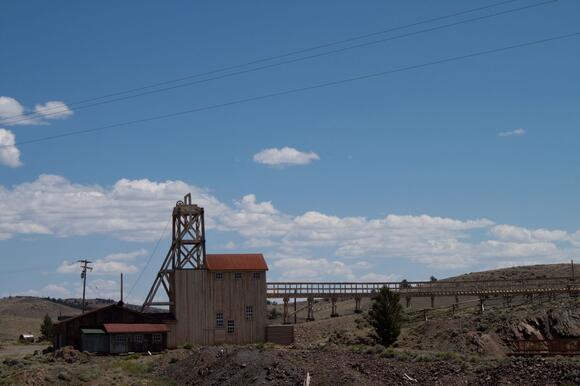
South Pass City, Wyoming, was founded by prospectors after gold was discovered nearby in 1867, and its population reached roughly 2,000 within a year. By the mid-1870s it had dropped to about 100.
The town holds a place in voting history: Governor John Allen Campbell signed a women’s suffrage bill in December 1869, and Esther Hobart Morris began serving there in February 1870 as the first female justice of the peace in the United States. The state historic site preserves more than 30 structures from the 1860s and 1870s.
11. Old Cahawba: Alabama’s first permanent capital
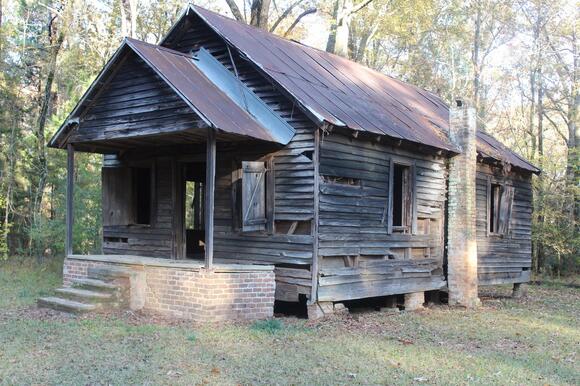
Old Cahawba, once known as Cahaba, stood where the Cahaba River meets the Alabama River in Dallas County and served as Alabama’s first permanent capital. The move to Tuscaloosa took effect on February 1, 1826, after supporters cited frequent flooding.
The town lost its status as county seat to Selma in 1866 and was a ghost town by 1900. Surviving features include the Perine Well, the Crocheron columns and chimney and cellar ruins, and the Alabama Historical Commission manages the site as an archaeological park with trails and a welcome center.
12. Silver City: an Idaho silver town with a restored hotel
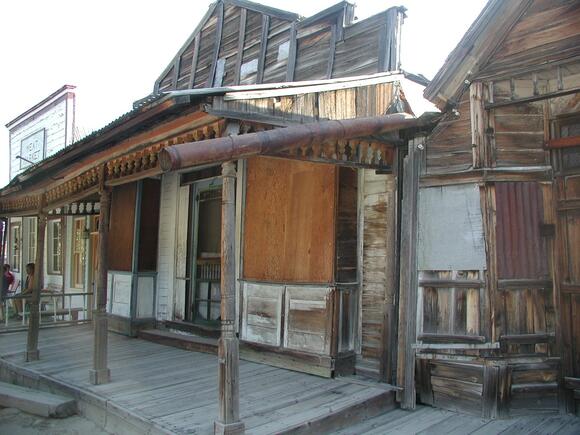
Silver City, Idaho, was founded in 1864 shortly after silver was found at nearby War Eagle Mountain in Owyhee County. In the 1880s it had roughly 2,500 residents and about 75 businesses.
About 70 structures still stand, all privately owned, and the Bureau of Land Management oversees the property. The Idaho Hotel was restored and reopened to tourists in 1972, and the town is about 25 miles southwest of Murphy by dirt road, with no gas or service stations.
Get stories like this by email.Sign up for Crafting Your Home.
This article was produced with AI assistance and edited for accuracy against the sources linked above.
 Add to Preferred Sources