undefined
Posts
undefined
Followers
Strict Rules for Attending the Masters Tournament
By Agustin Catania,
2026-09-14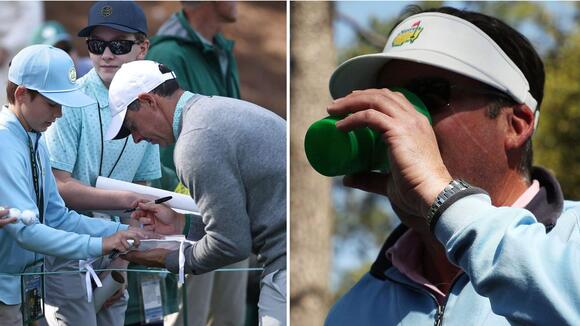
Attending the Masters is not quite like walking into another major sporting event. Augusta National has built the spectator experience around traditions that can feel almost untouched by the smartphone era, and patrons are expected to adapt the moment they enter the grounds.
Some everyday objects have to stay outside, certain behaviors that barely attract attention at other tournaments can cause problems here, and even the way spectators move around the course follows a particular etiquette. The result is an atmosphere where galleries can spend hours focused on the golf without thousands of glowing screens competing for attention. For first-time visitors, however, discovering these expectations at the entrance is a poor way to begin a long-awaited trip to Augusta.
Keep reading before heading through the gates, because knowing what to leave behind and how to behave can make the difference between enjoying the tradition and having your Masters experience cut unexpectedly short.
#1: Leave Your Cell Phone Outside the Grounds
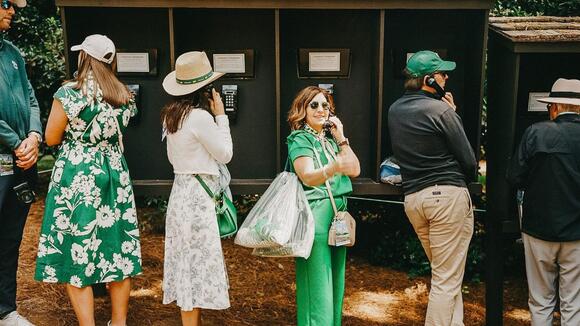
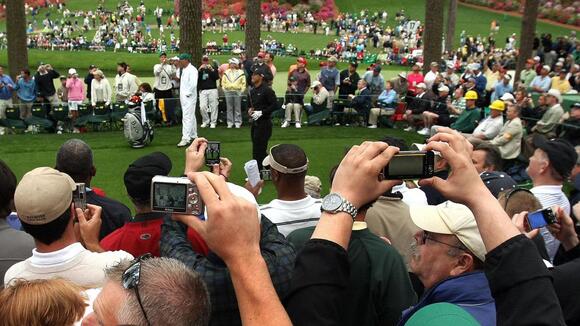
For many first-time patrons, the hardest Masters rule to believe is also one of the simplest: your cell phone cannot accompany you onto the grounds. Augusta National prohibits phones at all times, meaning there is no exception simply because the device remains silent or stays tucked inside a pocket. That creates an experience dramatically different from nearly every modern sporting event, where spectators routinely photograph themselves, record video, check scores, answer messages, and post to social media from their seats. At the Masters, patrons instead spend the day largely disconnected from their personal digital lives. The tournament provides designated telephone locations for people who need to make calls, so attending does not mean becoming completely unreachable without alternatives. The absence of phones also helps explain why galleries around Augusta National can look so unusual on television: when a player approaches a crucial shot, spectators are watching rather than holding hundreds of screens above their heads.
#2: Do Not Bring Laptops or Tablets
Leaving the phone behind is only the beginning of Augusta National’s electronics policy. Laptops and tablets are also prohibited, closing an obvious loophole for anyone who might imagine replacing a smartphone with another connected screen. That means an iPad cannot become the day’s camera, a laptop cannot come along because someone needs to answer work emails between groups, and a small tablet should not be treated as harmless simply because it fits inside an approved bag. The tournament’s policy focuses broadly on electronic devices capable of recording or transmitting voice, video, or data rather than merely targeting one particular category of consumer electronics. For modern spectators, this requires a little planning because devices that normally follow people everywhere have to remain somewhere secure before entry. Augusta National’s approach deliberately separates the live tournament from many of the digital habits surrounding contemporary sports. Patrons still have scoreboards, leader boards, information points, and the activity unfolding directly in front of them to follow the competition.
#3: Do Not Bring Smartwatches or Other Data-Transmitting Devices
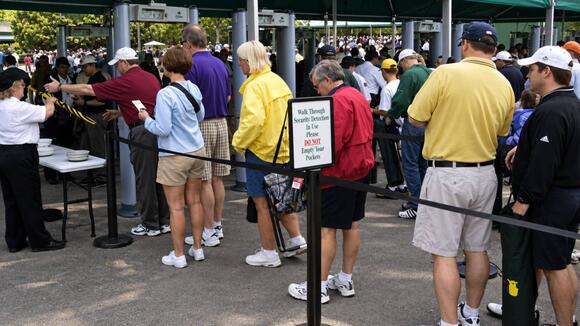
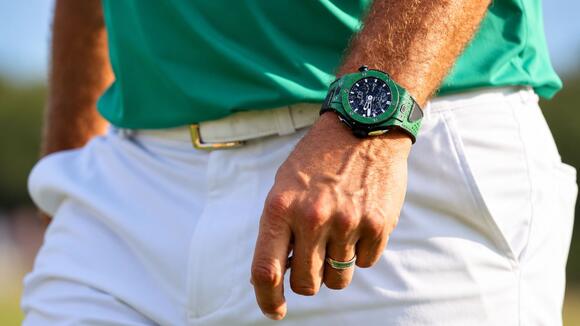
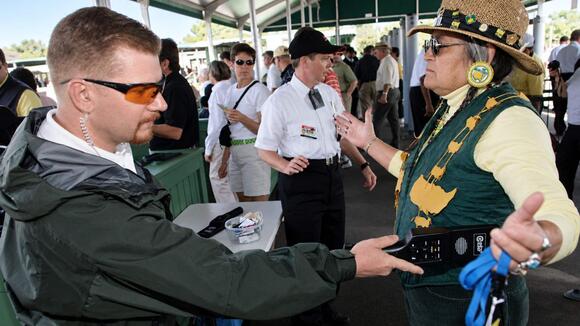
A watch might seem completely unrelated to the Masters electronics ban until that watch can send messages, receive notifications, record audio, or transmit data. Augusta National’s policy prohibits devices used to record or transmit voice, video, or data, which means patrons should not assume that wearable technology receives a free pass simply because it sits on a wrist instead of inside a pocket. A traditional analog watch presents a very different situation from a modern connected smartwatch loaded with communications features. The same logic applies to other electronic gadgets that might function as recording or transmitting devices even if their primary purpose is not making phone calls. This is an important distinction because personal technology has expanded far beyond the obvious phone-tablet-laptop categories that older tournament rules once needed to address. The safest approach is to evaluate what a device can actually do before bringing it toward the entrance rather than relying on what the manufacturer calls it. Security restrictions at Augusta National are taken seriously, and violating the electronics policy can lead to removal from the grounds and consequences for the ticket purchaser.
#4: Cameras Are Not Allowed During Tournament Rounds
The Masters makes an important distinction between practice days and tournament competition when it comes to traditional cameras. Cameras may be permitted under tournament rules during designated practice-round days, giving patrons opportunities to capture memories before competitive play begins. Once the official tournament rounds start on Thursday, however, cameras are prohibited. That means patrons attending Thursday through Sunday need to resist the understandable urge to bring a dedicated camera simply because their prohibited smartphone has been left behind. The restriction helps maintain the quiet and controlled atmosphere around players during competition while reducing distractions created by spectators trying to document every moment themselves. It also produces something increasingly rare in professional sports: thousands of people can witness a major moment without immediately turning it into personal video or photography. Anyone fortunate enough to attend both practice and tournament days should therefore repack carefully rather than assume an item allowed earlier in the week remains acceptable throughout the event.
#5: Do Not Bring Drones Onto the Grounds
A drone has no place in a Masters patron’s bag, regardless of how spectacular Augusta National might look from above. Drones are explicitly included among the electronic devices prohibited on the grounds, eliminating any possibility that a spectator can launch a personal aircraft for aerial photographs or video. Beyond the tournament’s desire to control recording and broadcasting, an unauthorized drone would create obvious concerns involving safety, player concentration, spectators, security, and airspace around a heavily attended sporting event. Modern consumer drones can be compact enough to travel easily, which makes the explicit restriction more relevant than it might initially appear. The Masters already reaches television audiences through carefully controlled professional coverage, and patrons are not invited to create their own aerial perspective of the course. Anyone hoping to capture a sweeping view of Amen Corner or the clubhouse will therefore have to rely on authorized imagery rather than sending a camera into the sky. Attempting to bring prohibited electronics onto the property can jeopardize far more than a gadget, since tournament policies allow serious consequences for credential holders.

#6: Do Not Bring Bags Larger Than the Permitted Size
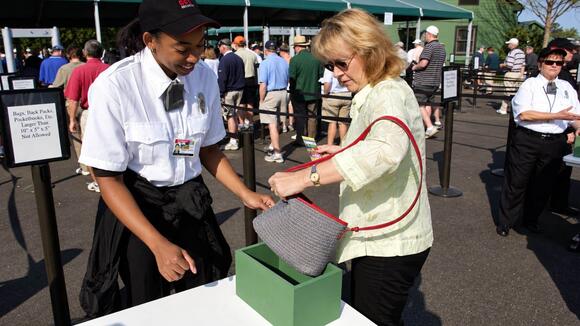
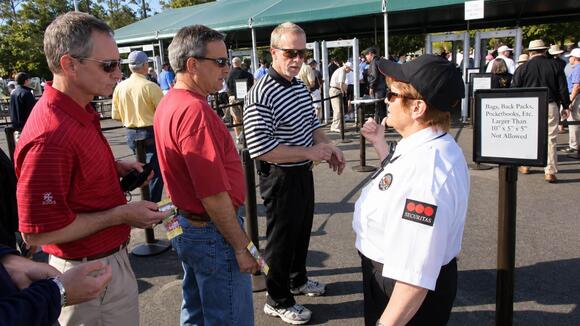
Packing for a full day outdoors can tempt spectators to bring everything they might conceivably need, but the Masters places strict limitations on what patrons can carry through the gates. Bags, purses, and similar personal items must remain within the dimensions permitted by the tournament’s current security policy, so a normal everyday tote may be too large even if its contents are otherwise acceptable. This is one rule worth checking against the official patron information immediately before attending because security specifications can be updated between tournament editions. The restriction keeps entrances more manageable and limits the amount of equipment spectators carry through crowded viewing areas. It also means patrons should think carefully about essentials rather than pack as though they were heading to an all-day picnic away from civilization. Augusta National provides concessions, water fountains, restrooms, first aid, information areas, and other patron services around the property, reducing the need to carry an enormous personal supply kit. Arriving at security with an oversized bag can create an unnecessary problem before the golf has even started.
#7: Do Not Bring Backpacks
A conventional backpack may be perfect for a hike, commute, or day at another sporting event, but it should stay behind when heading to Augusta National. Backpacks are among the types of bags patrons are instructed not to bring onto the Masters grounds. That includes the familiar two-strap bags many people instinctively choose when preparing to spend hours walking outdoors. The restriction can catch first-time visitors by surprise because a backpack seems like the logical place to carry sunscreen, rain gear, personal belongings, and purchases. Instead, patrons need to use an approved bag that complies with the tournament’s specifications and avoid packing unnecessary items. The rule also contributes to keeping crowded galleries and narrow walking areas from becoming filled with bulky bags that extend behind spectators without their noticing. Anyone traveling to Augusta from outside the area should make this adjustment before leaving a hotel or parking location rather than hoping security will overlook the bag. The Masters has a reputation for enforcing its patron policies rather than treating them as suggestions.
#8: Leave Large Folding Chairs at Home
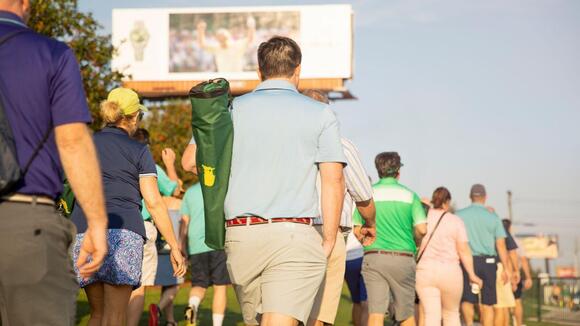
Bringing a chair to the Masters is part of a longstanding spectator tradition, but that does not mean any portable seat is acceptable. Large folding chairs, oversized seats, and bulky models designed more for camping than golf can run afoul of Augusta National’s restrictions. The familiar Masters-style chair is intentionally simple and compact, allowing patrons to place it at a viewing location without creating an enormous obstruction for people moving around the course. This matters because spectators may spend substantial portions of the day walking between holes before settling into selected viewing areas as different groups pass. A huge folding chair would occupy unnecessary space and make movement through crowded galleries considerably more difficult. Patrons who do not already own an appropriate chair can also purchase tournament merchandise on site rather than improvising with equipment designed for a backyard or campground. The Masters’ chair culture is unusual enough that first-time visitors should understand the expectations before packing their vehicle.
#9: Do Not Bring Chairs With Armrests
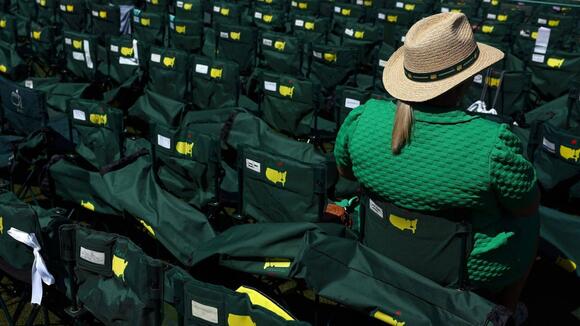
Even a folding chair that appears reasonably compact can still be unsuitable if it has armrests. Augusta National restricts folding armchairs, favoring the low-profile armless chairs traditionally associated with Masters galleries. At first glance, removing armrests may seem like an oddly specific requirement, but the difference becomes understandable when large numbers of spectators arrange chairs beside one another at popular viewing areas. Armless designs occupy less lateral space and allow seating to remain comparatively compact along ropes and designated patron areas. They are also easier to carry as spectators move around a course where walking is a major part of the experience. The rule has helped create one of the Masters’ recognizable spectator traditions: rows of simple green chairs waiting near desirable spots while their owners explore other parts of Augusta National. Anyone buying a chair specifically for the trip should therefore look beyond whether it folds and confirm that the design complies with tournament restrictions.
#10: Never Run Anywhere on the Grounds
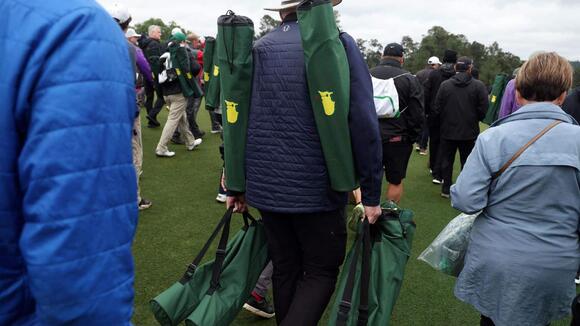
Seeing a favorite player approaching Amen Corner can create a powerful temptation to hurry, but running at Augusta National is not acceptable patron behavior. Spectators are expected to walk as they move between viewing areas, even when trying to reach a particular hole before the next shot. The rule contributes to safety on terrain that includes slopes, pine straw, grass, roots, crowded pathways, and thousands of other people changing positions throughout the day. It also prevents the tournament from turning into a chaotic race whenever a popular group moves from one section of the course to another. This expectation is especially important when the gates open and patrons begin making their way toward preferred viewing locations. Experienced visitors know that planning a route and arriving with enough time works far better than attempting to sprint across Augusta National. The slower pace also fits the broader atmosphere the Masters works to preserve, where spectators are described as patrons and decorum is treated as part of the event rather than an optional extra. There may be plenty of urgency on the leaderboard, but spectators are expected to leave it there.
#11: Do Not Sit in Someone Else’s Reserved Chair
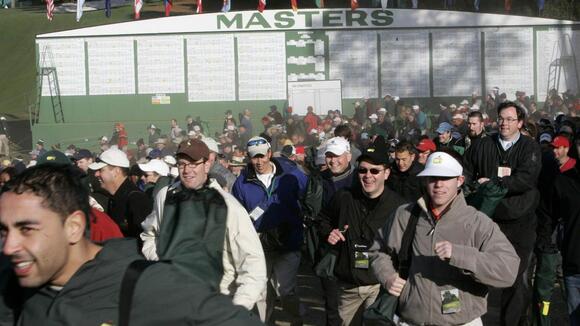
One of the Masters’ distinctive traditions involves the simple armless chairs patrons place around the course to save a viewing position. Once a chair has been properly placed, other patrons are expected to respect it rather than move it aside or claim the spot for themselves. This creates an unusual degree of trust at a sporting event where desirable positions near greens and fairways can become extremely valuable as the leading groups approach. Patrons may leave a chair and walk elsewhere around Augusta National, returning later to the location they established earlier in the day. An unattended seat should therefore not be interpreted as an invitation to relocate it or permanently occupy it. The system works largely because Masters patrons understand that interfering with another person’s chair violates the etiquette surrounding the tournament experience. Tournament personnel can also remove improperly placed chairs or seating that creates safety and access problems. For newcomers accustomed to first-come, first-served seating everywhere they go, the custom can initially seem surprising.
#12: Keep Your Ticket or Credential With You at All Times
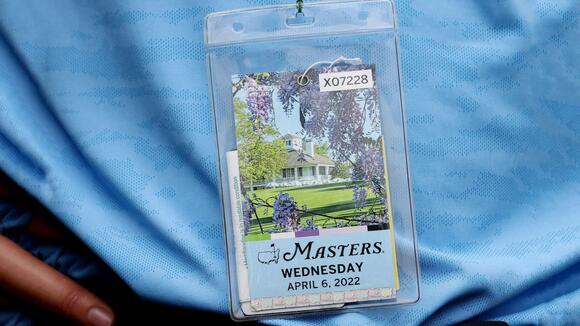
A Masters ticket or credential is far more than a souvenir to tuck safely away once you have passed through the entrance. Patrons should keep their admission credential with them throughout the day because it establishes their authorization to remain on the grounds and may be needed as tournament personnel manage access. This becomes especially important in an event where badges and tickets are tightly controlled and obtaining legitimate admission can be extraordinarily difficult. Losing one inside Augusta National can therefore create a problem that is much harder to solve than misplacing an ordinary concert ticket. Patrons should avoid handing their credential to strangers, leaving it unattended, or treating it casually while moving between viewing locations, concessions, merchandise areas, and other parts of the course. The person whose name or account is associated with tickets can also face consequences when admission privileges are misused or tournament policies are violated. Keeping the credential secure protects both the person attending and, where applicable, the individual who originally obtained the tickets.
#13: Do Not Buy, Sell, or Transfer Tickets in Unauthorized Areas
Masters tickets can be extraordinarily difficult to obtain, creating a secondary market that makes Augusta National particularly serious about unauthorized ticket activity. Patrons should not assume that buying or selling admission near the property is comparable to casually exchanging an unused ticket outside another sporting event. The tournament maintains restrictions governing ticket use and identifies areas around Augusta National where buying, selling, or transferring tickets is prohibited. Georgia law also restricts ticket resale within a designated distance of the event site, adding legal considerations beyond the tournament’s own policies. The safest approach is to obtain admission through authorized channels and avoid spontaneous transactions with strangers around entrances, parking areas, or nearby streets. A suspiciously convenient offer can create problems ranging from invalid admission to loss of ticket privileges. This matters particularly for badge holders because Masters credentials are highly sought after and access can depend on relationships or allocations that patrons do not want jeopardized. Unauthorized resale has consequently become much more than an etiquette issue at Augusta.
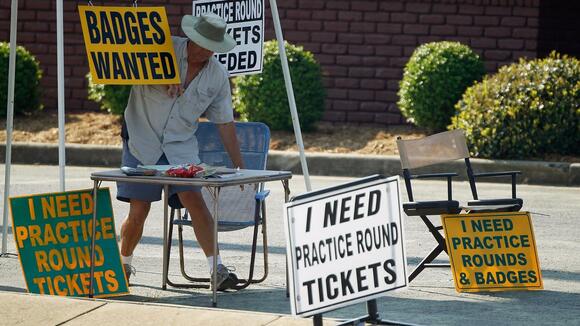
#14: Do Not Bring Outside Alcohol
Augusta National may be famous for remarkably affordable concession prices, but patrons cannot turn the grounds into a bring-your-own-beverage event. Outside alcoholic beverages are prohibited, meaning beer, liquor, wine, and similar drinks should remain away from the property regardless of how they are packed. Alcoholic beverages are available through authorized concessions under the tournament’s own policies, allowing Augusta National to control where and how they are sold. The restriction also fits the broader emphasis on orderly spectator behavior that distinguishes the Masters from louder or more chaotic sporting environments. Patrons are expected to remain aware of the golf around them, move safely through the course, and avoid behavior that interferes with players or other spectators. Trying to conceal alcohol inside an approved bag is therefore a particularly poor strategy, since permitted bag dimensions do not make prohibited contents acceptable. Security personnel inspect items entering the grounds, and possession of prohibited material can jeopardize the visit.

#15: Do Not Bring Weapons of Any Kind
Weapons are prohibited at the Masters, and patrons should not expect an exception simply because an item may be legally possessed elsewhere. Firearms and other weapons should be left completely outside the Augusta National grounds rather than stored in a bag or carried on the person. The tournament attracts enormous crowds as well as internationally known athletes, public figures, media personnel, and guests, making security a central part of event operations. Augusta National’s private-property rules apply independently of what a visitor might normally carry during everyday life. That distinction is particularly important for people traveling from jurisdictions or circumstances where lawful firearm possession is otherwise familiar to them. Knives and other objects categorized as weapons can create the same type of problem, so patrons should review their belongings carefully before approaching security. Attempting to enter with a prohibited weapon can lead to denial of entry and potentially much more serious consequences depending on the circumstances.
#16: Do Not Ask Players for Autographs Outside Designated Areas
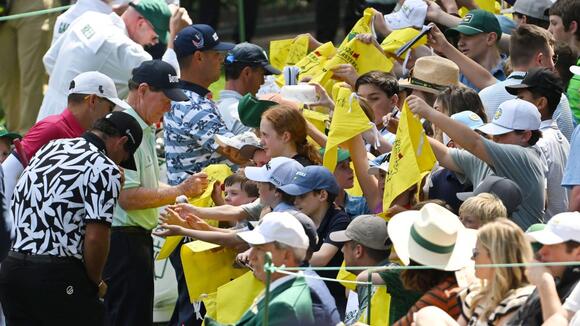
Meeting a professional golfer can be one of the memorable parts of attending Masters week, but patrons cannot treat every fairway, walkway, or practice area as an autograph opportunity. Augusta National restricts autograph seeking to designated locations and times, particularly around practice areas during the appropriate portion of the week. The purpose is easy to understand once players begin preparing for competition: they need to move between the clubhouse, practice facilities, and course without repeatedly stopping to sign hats, flags, programs, and other memorabilia. Patrons should therefore resist calling players over from ropes or approaching them in areas where autograph requests are not permitted. Children may have opportunities associated with designated autograph areas, making advance knowledge of the policy useful for families hoping to bring home a signed souvenir. Tournament rounds are especially focused on competition rather than personal interaction with spectators. A golfer walking past a gallery may be thinking about the next shot, the wind, a club selection, or a difficult previous hole rather than ignoring fans deliberately.
#17: Remain Quiet While Players Are Preparing to Hit
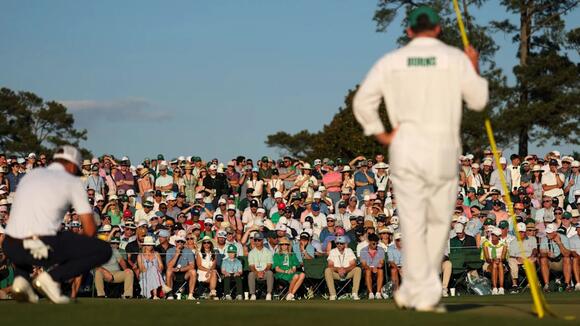
Golf depends on concentration in a way that makes spectator noise particularly consequential, and Augusta National expects patrons to understand when silence matters. As a player addresses the ball and begins preparing to hit, conversations should stop and unnecessary movement should be minimized. A sudden shout, cough, chair movement, or other distraction can become remarkably noticeable when thousands of people have otherwise fallen silent. Tournament officials and gallery personnel help signal when spectators need to remain still, particularly around tees and greens. The expectation applies whether the golfer is contending for the green jacket or struggling far down the leaderboard, since every competitor deserves the same opportunity to execute a shot without deliberate interference. Once the ball has been struck, applause and appropriate reactions can return, producing the familiar rhythm of silence followed by a wave of sound. First-time visitors coming from baseball, football, or basketball may need to adjust because constant crowd noise is not part of the atmosphere here. Watching the people around you usually makes the pattern easy to understand.
#18: Do Not Cheer a Player’s Mistake or Misfortune
Masters galleries can become intensely invested in particular golfers, but supporting one player does not mean celebrating another player’s failure. Applauding a competitor’s missed short putt, water ball, bunker trouble, or other mistake runs against the sportsmanship Augusta National expects from its patrons. The distinction is important because golf spectators often stand remarkably close to the athletes compared with fans in stadium sports. A player who has just made a costly mistake can hear the reaction from only a few yards away, making deliberately hostile behavior especially conspicuous. Enthusiastic applause for excellent shots, dramatic putts, and impressive recoveries is part of the Masters atmosphere, and roars from different corners of the course famously communicate what is happening before spectators can see a scoreboard. Taunting, heckling, or trying to influence an opponent belongs to a very different spectator culture. Tournament personnel can intervene when behavior becomes disruptive, and patrons who refuse to follow expectations risk removal.

#19: Stay Behind the Ropes and Follow Tournament Officials’ Instructions
Augusta National can look so pristine and accessible on television that it is easy to forget how carefully spectator movement is controlled during the tournament. Ropes and barriers separate patrons from playing areas, protect competitors, and keep enormous galleries from interfering with the course. Crossing those boundaries for a better view, a photograph, a golf ball, or a shortcut is not acceptable. Officials may also temporarily stop pedestrian traffic while a player prepares for a shot or while groups move through particular parts of the course. Patrons should follow those directions immediately rather than arguing that they only need to cross for a moment. Golf creates unusual safety considerations because balls can travel at high speed into areas spectators may not expect, while players sometimes need to make recovery shots from positions close to the gallery. Obeying marshals and tournament personnel therefore protects spectators as well as the competition. The course may also use designated crossing points where patrons can move across fairways when officials determine it is safe.
#20: Understand the Re-Entry Rules Before Leaving the Grounds
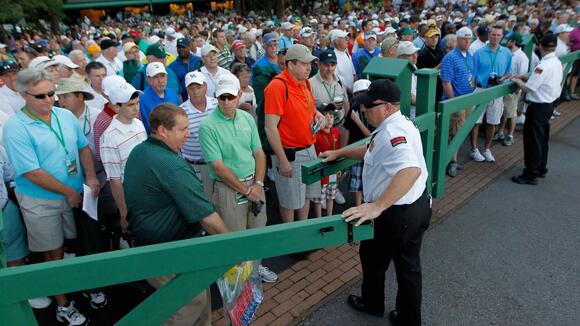
Walking out of Augusta National does not necessarily work like stepping outside an ordinary venue and returning whenever you please. Masters admission is subject to specific re-entry procedures and limits, making it important to understand the current policy before voluntarily leaving the grounds. This matters for patrons who might be tempted to return to a vehicle for forgotten belongings, meet someone outside, or take a break away from the course. Depending on the credential and current tournament rules, exits and subsequent entries are tracked, and patrons cannot assume unlimited movement through the gates throughout the day. The practical lesson is to arrive prepared with every permitted item you expect to need and avoid unnecessary trips outside once you are inside. It is also worth checking the official patron information for the particular year you attend, because admission procedures can change and outdated advice from a previous Masters may no longer apply. Security personnel at the gates can clarify the current procedure before you exit if there is any uncertainty.
 Add to Preferred Sources

