undefined
Posts
undefined
Followers
20 Hidden Messages in Old American Currency
By Salvador Sallent,
2025-09-19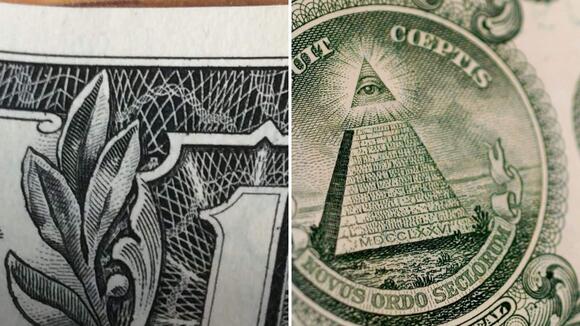
Currency is so common that most people barely glance at it before handing it over for coffee or groceries. Yet a closer look at a dollar bill reveals a rabbit hole of hidden details—symbols tucked in scrollwork, Latin mottos with cryptic meanings, and even tiny creatures said to lurk in the design. From the unfinished pyramid to myths about green ink, American money carries stories far stranger than most wallets ever reveal. On this list, we’ll explore 20 hidden messages in historic U.S. currency.
#1: The All-Seeing Eye on the Dollar Bill
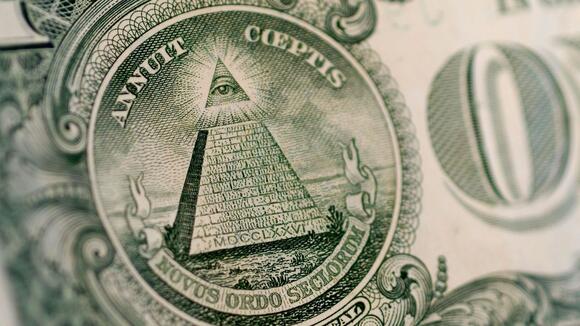
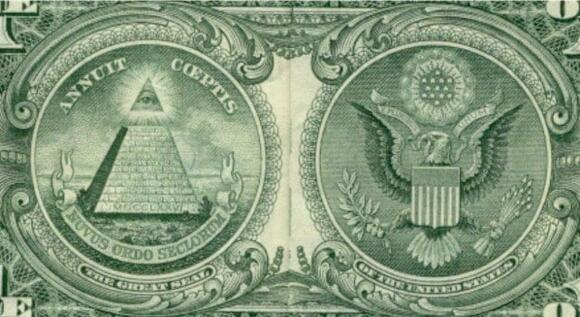
Above the unfinished pyramid, the “Eye of Providence” peers out. Borrowed from Freemason imagery, it symbolizes divine guidance. For conspiracy theorists, it’s proof of secret societies steering history. Whatever you believe, the glowing eye remains one of the most mysterious and discussed features of American currency.
#2: “In God We Trust” Origins
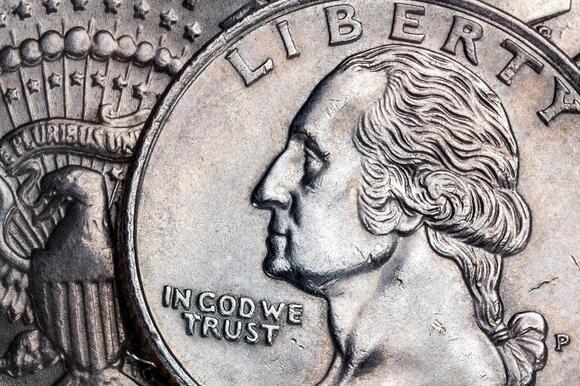
Though today it feels timeless, “In God We Trust” didn’t appear on coins until the Civil War and only became standard on all currency in 1956. Its addition was meant to unify the nation spiritually during troubled times. For some, it’s an uplifting motto; for others, it sparks debates on church and state.
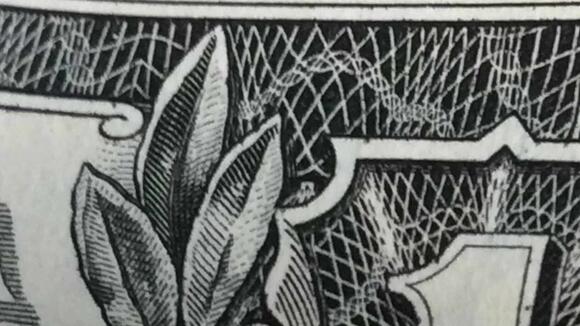
#3: Hidden Owl or Spider on the $1 Bill
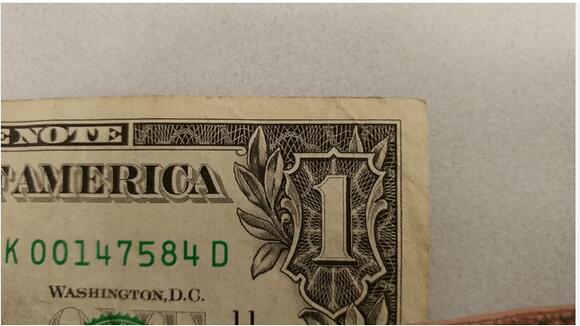
If you’ve ever squinted at the upper right corner of a $1 bill, you may have spotted what looks like either a tiny owl or a spider hiding near the “1.” For years, people have debated which it is, or if it’s even intentional at all. Some say it’s a playful design choice, while others think it’s just a quirk of the engraving.
#4: The Unfinished Pyramid
The 13 steps on the pyramid represent the original colonies, while its incomplete top symbolizes America’s constant growth. Coupled with the Eye above, it suggests divine favor on an evolving nation. For skeptics, it feels like a coded message about power always under construction. Either way, it’s ancient symbolism tucked into modern money
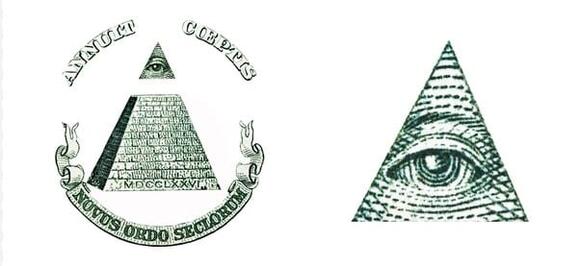
#5: Latin Motto “Annuit Cœptis”
Hovering above the pyramid, these words translate as “He [God] has favored our undertakings.” Paired with “Novus Ordo Seclorum” below—“A new order of the ages”—the phrases frame America as a divinely blessed project. Officially inspirational, they’ve also fueled endless speculation about hidden orders and world-shaping missions whispered through Latin.
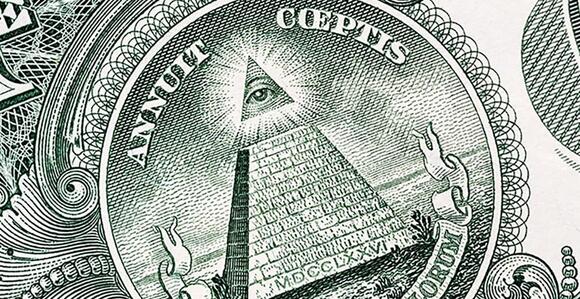
#6: Tiny Initials of Engravers
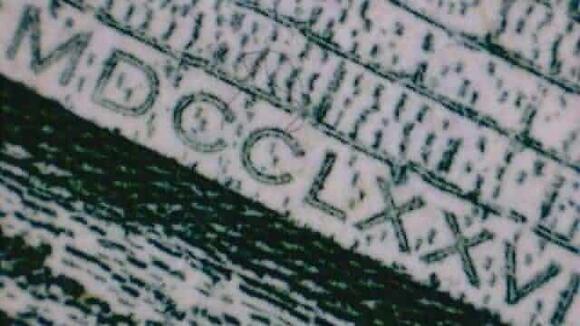
Take a close look at old currency, and you’ll find the microscopic initials of engravers hidden in scrolls and folds of clothing. These signatures are almost invisible to the naked eye but confirm who cut the plates. For collectors, spotting these initials is like uncovering Easter eggs in history’s most-used artwork.
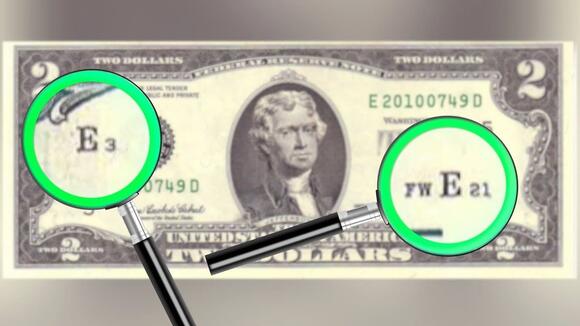
#7: Thirteen Everywhere
The number 13 repeats across U.S. currency: 13 stars, 13 arrows, 13 olive leaves, and 13 steps on the pyramid. It honors the original colonies but has also fueled theories of Masonic obsession with numerology. Whether patriotic or conspiratorial, the recurrence of 13 makes every bill feel steeped in coded symbolism.
#8: Bald Eagle’s Posture
On the Great Seal, the eagle clutches arrows in one talon and an olive branch in the other. Some notice its head often faces the olive branch, suggesting peace is preferred. The dual imagery of war and peace balances perfectly—though conspiracy hunters argue the eagle “turns” depending on political eras.
#9: Web-Like Patterns
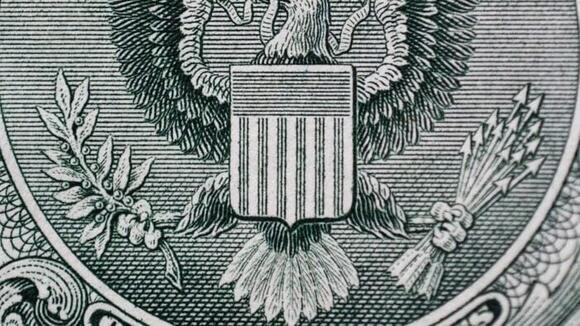
The intricate webs on currency weren’t just aesthetic—they were security features designed to foil counterfeiters. Still, some observers see spider webs symbolizing entrapment or control. The patterns, both protective and mysterious, remind us that beauty in banknotes often hides practical secrets beneath layers of paranoia and folklore.
#10: The Trapezoid Shield
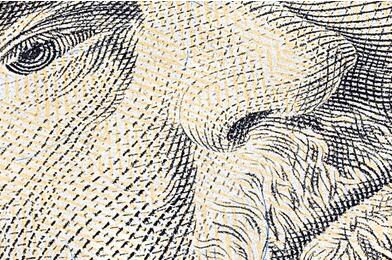
On the dollar, the eagle’s chest bears a shield with no crown above it. That was deliberate: America’s strength, it declared, comes not from kings but from the people. The trapezoid shape itself has invited speculation, with some suggesting hidden numerology or echoes of ancient heraldic traditions.
#11: Strange Faces in the Border
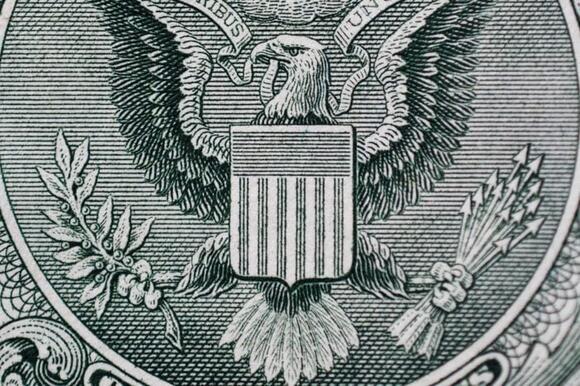
Some collectors claim to see faint faces lurking in the ornate scrollwork and borders of old bills. Officially, these are just coincidental patterns from intricate engraving. But when you stare long enough, you might swear the designers slipped in tiny hidden portraits—phantoms haunting the margins of America’s money.
#12: The Great Seal Split in Two
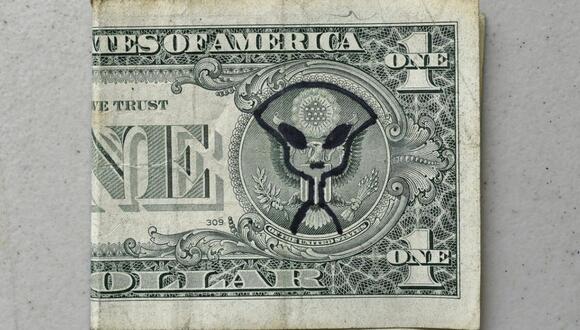
Why are the front and back halves of the Great Seal split across the dollar’s reverse? The eagle appears on one side, the pyramid on the other, like dual guardians. Officially practical, this split has fed theories of secret codes—two halves of a puzzle scattered on the currency for only the sharp-eyed to decode.
#13: Series Dates vs. Print Dates
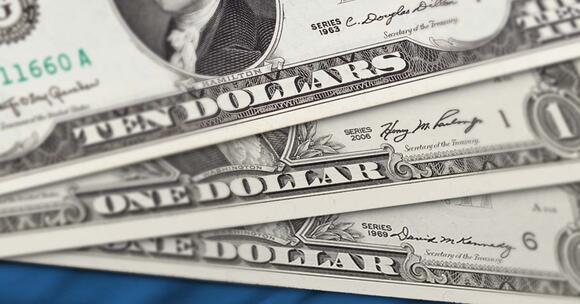
Ever notice that the year on a bill doesn’t always match when it was printed? That’s because “series” dates change only when a new design or Treasury Secretary signature is added. It feels like a trick to the uninitiated, a quiet reminder that even time itself hides in plain sight on money.
#14: The Latin “E Pluribus Unum”
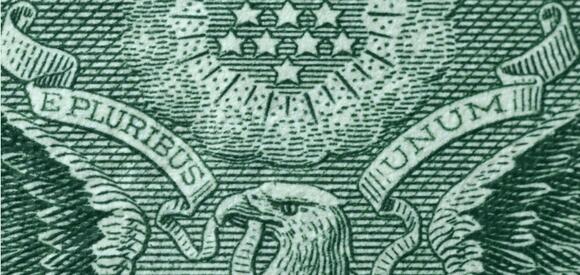
Above the eagle’s head floats a ribbon with “E Pluribus Unum”—“Out of many, one.” A phrase of unity, it can feel both solemn and slightly eerie when you realize how often money carries coded reminders of national destiny. Some even argue it reflects more than unity—it whispers of assimilation into something greater.
#15: The Green Ink Mystery
Why green? In the 19th century, green ink was hard to reproduce and resistant to chemical changes. It symbolized stability and trust. Over time, the “greenback” itself became slang for money. But the choice of color carries symbolic weight too: envy, greed, and the eternal association of green with wealth and mystery.
#16: The Tiny Spider Webs on Security Threads
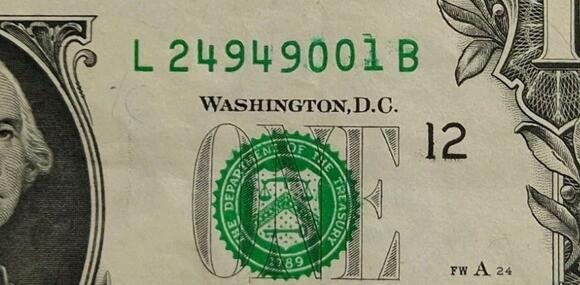
Modern bills include hidden threads that glow under UV light, plus tiny spider web–like fibers embedded in the paper. These were meant to baffle counterfeiters, but their ghostly presence in old notes made some wonder if the bills carried more than security—perhaps symbols of a hidden web connecting power and secrecy.
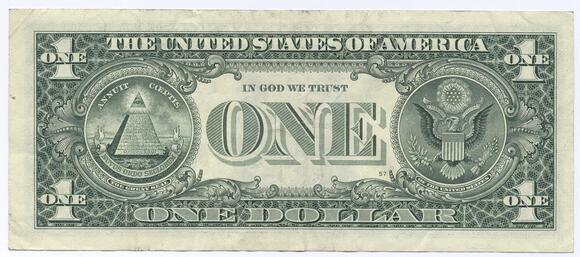
#17: The Lettering of “ONE”
On the back of the dollar, the word “ONE” sprawls larger than anything else. To some, it’s just bold design. To others, it’s symbolic—unity, singularity, or even an echo of monotheistic devotion. The way it dominates the bill suggests a power beyond numbers, giving a simple word an almost mystical resonance.
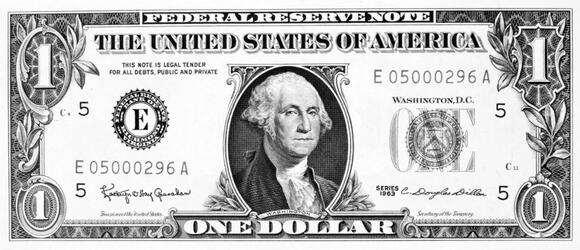
#18: Washington’s Hidden Expression
Look closely at George Washington’s portrait, and you’ll notice his expression shifts depending on your angle. Some see a smirk, others a frown. The subtlety was deliberate, capturing both sternness and calm authority. Yet it also adds a ghostly unease—like Washington himself is watching over every transaction.
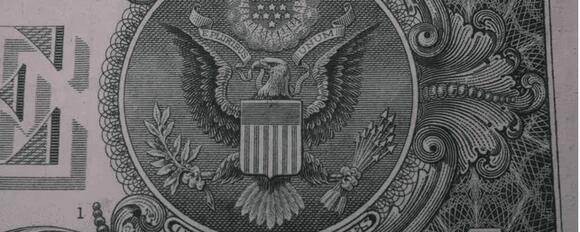
#19: The Great Seal’s 33 Feathers
The eagle’s wings feature 33 feathers each, a detail that conspiracy theorists connect to Freemasonry. Officially, it was simply design balance. Still, the precision invites speculation: why 33, a number heavy with mystical significance? Whether intentional or coincidental, it’s another detail that makes American currency a playground for hidden meanings.
#20: Microscopic Words on Modern Bills
Recent bills include microprinted text, only visible under magnification. On some, phrases like “USA” or “E Pluribus Unum” appear repeatedly within borders. Meant for security, they also evoke an uncanny sense that money speaks in whispers too small to hear. It’s as if every note carries its own tiny hidden sermon.
 Add to Preferred Sources


