undefined
Posts
undefined
Followers
THC drinks could soon be banned in NC. How will it affect Charlotte businesses?
By Evan Moore,
11 days ago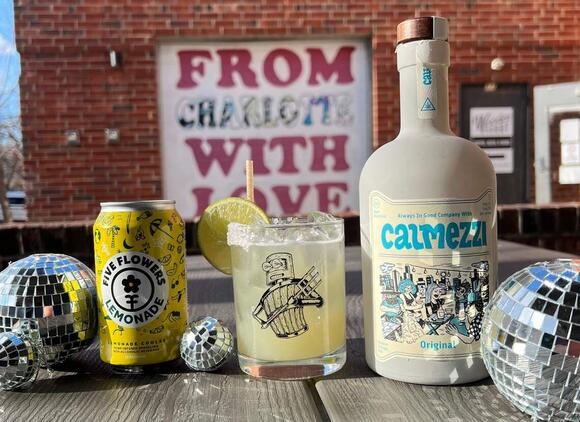
For some, a night out no longer has to end with a cocktail, a beer or a glass of wine.
A can of THC-infused seltzer offers another way to enjoy the festivities, without necessarily drinking alcohol.
The beverages, which contain tetrahydrocannabinol — the primary psychoactive compound found in cannabis that produces a “high” — appeal to customers who are sober-curious, abstaining from alcohol or want to try something different.
But their presence in the North Carolina beverage market is facing an uncertain future as lawmakers consider tighter restrictions on hemp products.
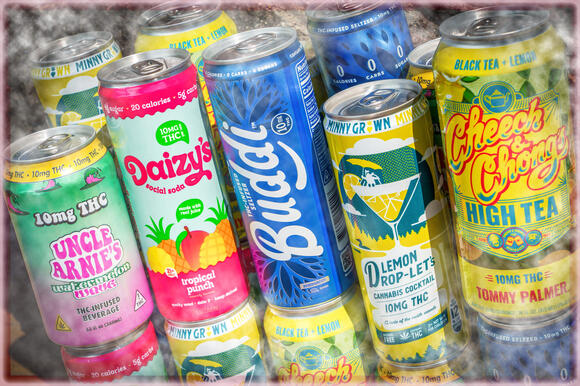
A federal law originally scheduled to take effect Nov. 12 would narrow the definition of legal hemp, eliminating most THC-infused drinks containing more than 0.4 milligrams of THC per container. Congress has since delayed those restrictions until Dec. 11.
North Carolina lawmakers have also considered similar restrictions through House Bill 328, but the bill remains stalled in the House Rules Committee. Rep. Tricia Cotham, who was a co-sponsor of the bill, lost her re-election bid earlier this month, meaning passage of the bill could be more difficult with Democrats set to take control of the House in January, The News & Observer reported.
A growing venture
For the state’s beverage industry, THC drinks have become another way to accommodate customers whose preferences are changing.
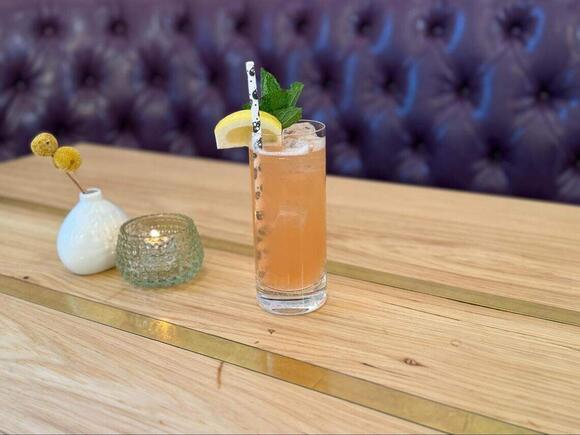
At VINYL, a Charlotte restaurant and bar operated by B-Side Group, hemp-derived THC beverages have found a place alongside cocktails, beer, wine and non-alcoholic drinks.
Henry Schmulling, B-Side Group’s beverage director, estimates that THC drinks and other alternatives, like mocktails and low-alcohol cocktails, account for up to 10% of the company’s total beverage sales. The group also operates Michelin Bib Gourmand restaurant The Story of Mi Cariño and is opening Italian restaurant Lady Funari soon.
“That may not sound like much, but over the course of the year it becomes a meaningful part of the business and, more importantly, an important option for our guests,” Schmulling told CharlotteFive.
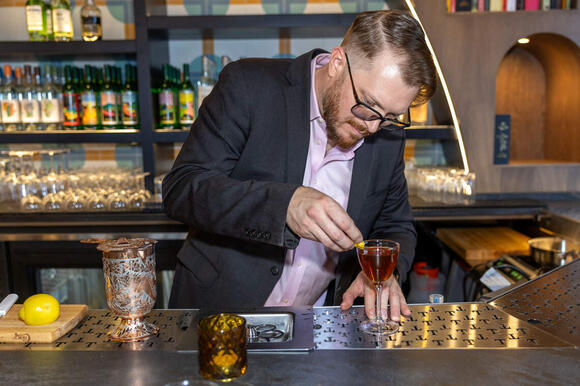
The customers ordering them aren’t from a single demographic. Schmulling said the drinks attract younger customers, people taking breaks from alcohol and those who don’t drink at all.
“It’s really both,” he said, when asked whether the beverages are replacing alcohol or attracting new customers.
“For some, these beverages replace alcohol occasionally or completely. For others, they create a way of participating in the social experience of going out without feeling like alcohol is the only option.”
Data suggests that shift is happening beyond North Carolina.
According to a 2026 survey conducted by Crescent Canna, a THC beverage company, 76.6% of adults said they had reduced their alcohol consumption since trying the drinks, and more than 20% said they stopped drinking alcohol entirely. The survey also found that nearly 70% consumed THC beverages at least once a week.
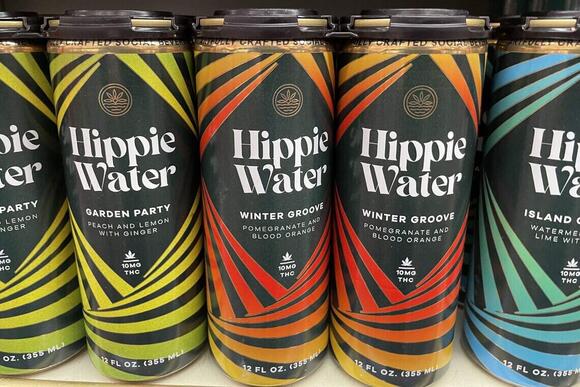
VINYL currently offers two THC beverage options, selling roughly one case per week, according to Kamal Patel, a partner with B-Side Group. He said the group’s approach is to accommodate as many customer preferences as possible, noting that other alternatives, such as mushroom-infused beverages, could eventually land on the menu.
“Drinking together is a tradition that goes back thousands of years,” Patel said. “At a time when we have thousands of TV channels and other programming options, why not have additional beverage options?”
What would the ban mean for businesses?
For restaurants and bars, losing THC beverages wouldn’t mean losing a major revenue stream. But it would mean losing another tool to bring in customers. And opposition to the proposed restrictions have extended beyond individual businesses.
In July, more than 80 North Carolina businesses signed a letter urging lawmakers to reject House Bill 28 and implement stronger regulations instead, The Charlotte Ledger reported. Charlotte signees included NoDa Brewing, Common Market, Resident Culture Brewing and Wooden Robot Brewery.
In October, Melissa Bruno Johnston, vice president of strategic development at Tryon Distributing, told Unprentious Palate that losing hemp beverages could leave a $5 million hole in the company’s budget.
“Over the last few years, hemp beverages have become another legitimate category alongside cocktails, beer, wine and spirit-free drinks,” Schmulling said. “Losing that category would mean fewer options for people who enjoy going out but aren’t necessarily looking to drink alcohol.”
“Most guests I’ve spoken to are disappointed and a little confused,” he added. “Whether they personally consume these products or not, many appreciate having the option available.”
Despite the potential ban, Schmulling and Patel said they support stronger oversight of the industry, particularly when it comes to consumer safety.
Schmulling said B-Side Group approaches THC beverages like alcohol, verifying customers’ ages, monitoring guests during service and refusing to serve anyone who appears impaired.
“Responsible service doesn’t change just because the product does,” he said.
He also emphasized that the industry needs consistent standards for product testing, labeling and responsible sales. His concern is whether eliminating the category is the most effective way to address potential risks.
“I believe strong regulation and clear standards accomplish more than removing products that many adults enjoy responsibly,” Schmulling said.
There’s also the question of what happens to consumer demand if the products disappear from store shelves and restaurant menus. Schmulling suspects customers will find other ways to buy THC drinks, including looking to neighboring states or other available markets. THC drinks can be purchased online in North Carolina, and are available in South Carolina, Virginia, Tennessee and Georgia.
He hopes lawmakers consider the perspectives of business owners, consumers and producers before making a decision.
“Whatever the outcome, I hope the focus remains on responsible regulation, consumer safety and giving businesses clear standards to operate under.”
Here are the 10 restaurants in Charlotte with the best vibes, according to readers
Did a Charlotte nightclub really charge $6 for a to-go box? Here’s what we know
 Add to Preferred Sources


