undefined
Posts
undefined
Followers
Electrical Issue Causes Major Fire at Newburgh Maine Home, No One Hurt
By maxie nolan,
8 days ago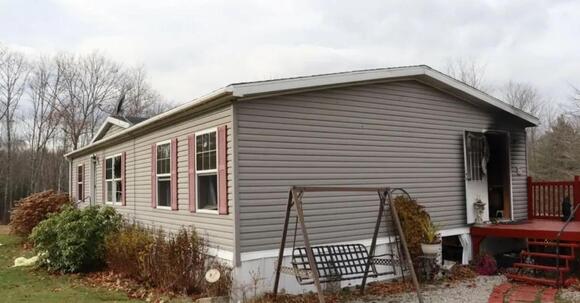
Fire Tears Through Newburgh Home After Electrical Fault Beneath the Foundation
A quiet Tuesday morning in Newburgh, Maine turned tense when smoke started rising from a home on Western Avenue. Nobody expected it. That’s usually how electrical fires work.
On November 10, 2026, firefighters were called to 2628 Western Avenue just before 11 a.m. Crews arrived and knocked the fire down quickly. The Maine State Fire Marshal’s Office confirmed the fire was accidental.
Where It Started Matters
Investigators found the fire originated underneath the home. Not in the kitchen. Not near a stove or heater. Under the floor, in the substructure where most homeowners never look.
The cause was an electrical failure. The home sustained significant damage. The property was insured, and thankfully, no residents were hurt.
Five fire departments responded to the scene. Hermon, Carmel, Hampden, and Dixmont all assisted the Newburgh Fire Department. One firefighter suffered minor injuries during the operation.
Why This Matters
Most people assume electrical fires happen near outlets or inside walls they can at least see. But fires starting beneath a home are especially dangerous because there’s often no smoke alarm anywhere near the subfloor.
By the time you smell something, the fire has already been burning for a while.
It’s worth noting that this kind of hidden fire risk isn’t limited to private homes.
We recently covered how a nursing home fire in Evansville forced the evacuation of 76 residents with no injuries, and the core lesson there was the same: fires in places people don’t routinely monitor are the ones that catch everyone off guard.
What Homeowners Should Actually Do
If your home is more than 25 years old and still has its original wiring, that’s the first thing worth checking. Old insulation on wiring degrades. Connections loosen. It doesn’t take much.
A few warning signs that something may be wrong below your floors: burning smells coming from vents, flickering lights with no obvious cause, or breakers that trip more often than they should.
There’s a channel on WhatsApp where stories like this one get shared as they happen, along with practical home safety tips. Worth following if you want to stay ahead of these things.
Daily tips for a safer, better home – Click to join now!Before winter hits and heating loads go up, getting a licensed electrician to inspect your subfloor wiring is one of those things that costs little but can prevent a lot.
What Came Out of This Fire
No lives were lost. The fast response from multiple departments made a real difference. Hermon Fire Chief Cody Sullivan told local media that having extra staff on scene due to training that day cut response time significantly. Without that, the fire would have grown much larger.
The home is damaged, but the family got out safely. That’s the best outcome in a situation like this.
Electrical fires starting in hidden spaces are more common than people realize. This one in Newburgh is a reminder that the most dangerous problems in a home are often the ones you can’t see.
Key Takeaways
The fire at 2628 Western Avenue was accidental, started under the home due to an electrical failure, and caused significant damage. No residents were hurt. Five departments responded, and one firefighter sustained minor injuries.
If your home has a crawl space or unfinished subfloor area, it’s worth taking seriously.
Conclusion
Fires like this don’t come with a warning. What you do before one starts is what actually matters.
Have you had your home’s electrical system inspected recently? Drop your thoughts in the comments below. For more home safety stories and practical guidance, visit Build Like New.
Stay updated with Build Like New.
Disclaimer: This article is for informational purposes only.
This article originally appeared on BuildLikeNew.com — visit us for more home security guides.
 Add to Preferred Sources