undefined
Posts
undefined
Followers
The Most Enormous Lobster Ever Pulled From Maine Waters
By Jan Otte,
2026-02-15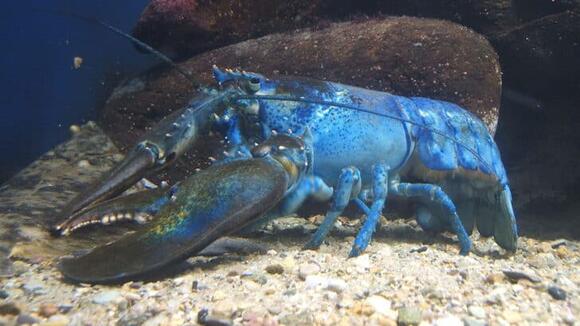
The chilly waters off the coast of Maine are a prime location renowned for yielding some of the finest lobsters in the world, but every once in a while, these waters offer up a catch so extraordinary that it captures the imagination of seafood enthusiasts and the broader public alike. One such marvel is the biggest lobster ever caught in this region—a truly colossal catch that has made its way into the record books. Let’s dive into the fascinating world of lobsters and discover more about this marine giant.
Setting the Scene Maine’s Lobster-Fishing Tradition
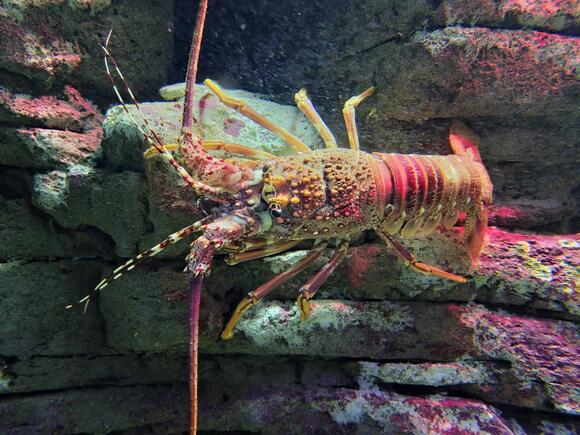
Maine’s lobster-fishing industry is steeped in tradition, playing a vital role in the state’s economy and cultural identity. Lobstering in Maine dates back to the 1600s, and today, it is a thriving industry supporting thousands of jobs. Known for its stringent regulations that promote sustainability, Maine has long been committed to preserving lobster populations for future generations.
The Colossal Catch Details of the Record-Breaking Lobster
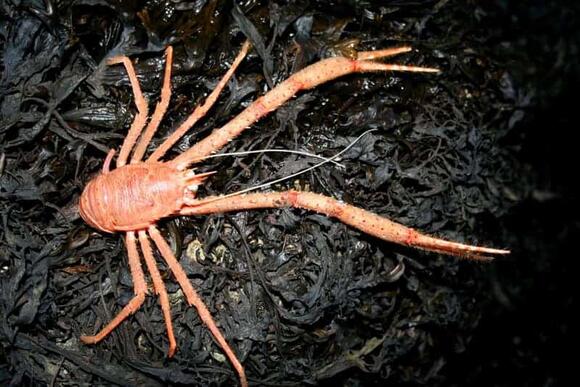
While many remarkable lobsters have been pulled from Maine’s waters over the decades, the lobster that claims the title of the largest was caught in 1977. This gigantic crustacean weighed in at an incredible 44 pounds and stretched more than 40 inches in length. Its sheer size was enough to leave seasoned lobstermen awestruck.
Understanding Lobster Anatomy and Growth
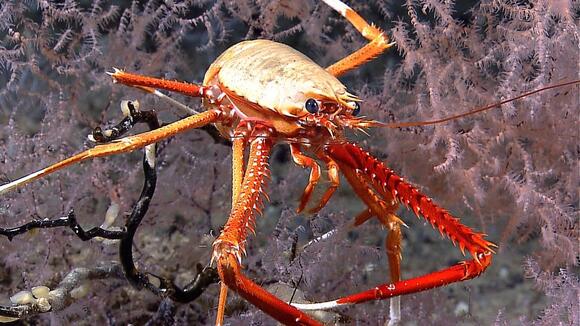
Lobsters are arthropods, a group known for its exoskeleton and jointed limbs. They grow by molting, a process where they shed their hard shell and form a new, larger one. Lobsters continue to grow as long as they live, which can be half a century or more in the wild, allowing truly massive sizes to be achieved over time.
The Science Behind Lobster Longevity

One of the most fascinating aspects of lobsters is their longevity. Lobsters exhibit what scientists call ‘negligible senescence,’ meaning they show few signs of aging, with the potential for extended lifespans, provided they evade predators and disease. Their ability to grow throughout their life without a defined maximum size enables lobsters to reach records like the 44-pounder from Maine.
Regulations and Sustainability Efforts in Maine
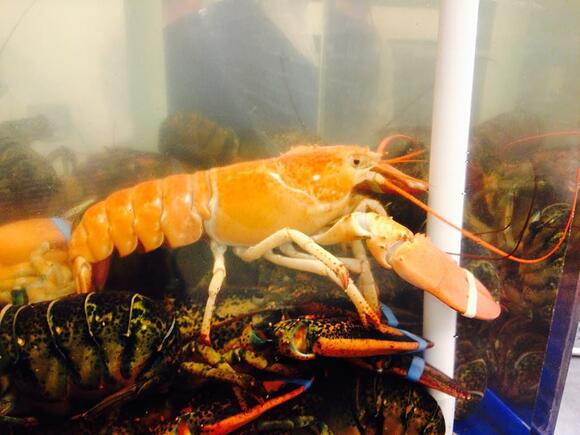
Maine’s regulations include size limits that require lobsters to be of a certain size before they can be harvested, allowing smaller, younger lobsters to mature and reproduce. There’s also a minimum and maximum size law to protect breeders, ensuring healthy lobster populations. Such measures might explain why oversized lobsters are occasionally found in these waters.
Comparisons to Other Giant Marine Creatures
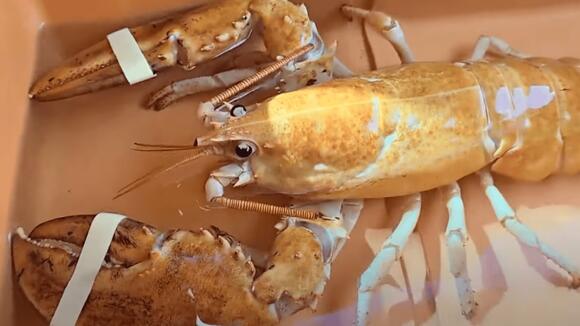
Lobsters often share their underwater world with other large marine species, such as the gargantuan bluefin tuna and the mighty blue whale. However, the massive Maine lobster still stands out, as other crustaceans like crabs and shrimp don’t typically reach the same proportions. Its rarity and size make it unique among marine life.
Human Fascination with Giant Lobsters
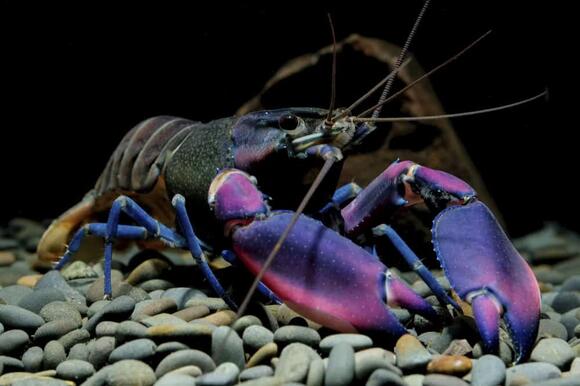
The allure of massive lobsters is not new. Tales of giant lobsters cruising the ocean floor have piqued human curiosity for centuries, often appearing in maritime folklore and seafood lore. They evoke similar awe and fascination as mythical sea monsters, capturing the public’s imagination.
Conservation Challenges and Opportunities
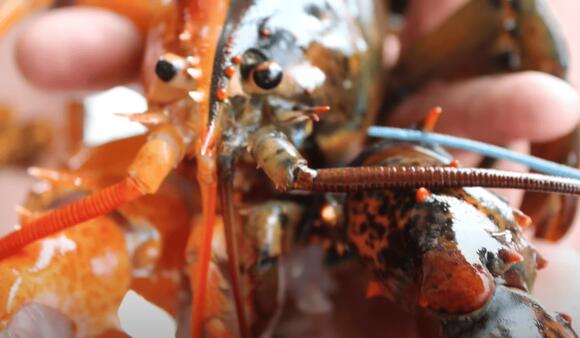
While lobster populations in Maine are robust, climate change and ocean acidification pose threats to the species. Conservation efforts focus on mitigating these impacts, with research continually ongoing to keep the maritime ecosystem balanced and sustainable. Sharing knowledge and fostering collaboration within fisheries is essential for maintaining healthy marine ecosystems.
The Cultural Significance of Lobsters in Maine
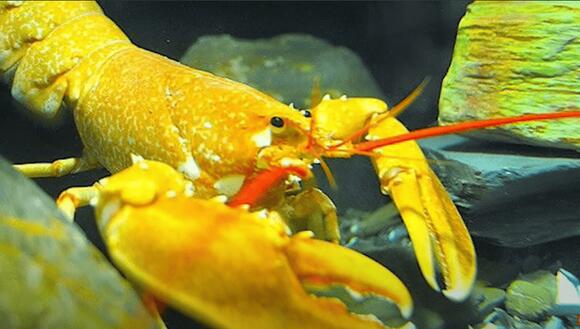
Lobsters hold a special place in Maine culture, emblematic of local cuisine and the state’s maritime heritage. They are celebrated in festivals, culinary arts, and even art and literature, reinforcing the lobster’s place as a cultural symbol of Maine.
Lobster Fishing Techniques Traditional and Modern
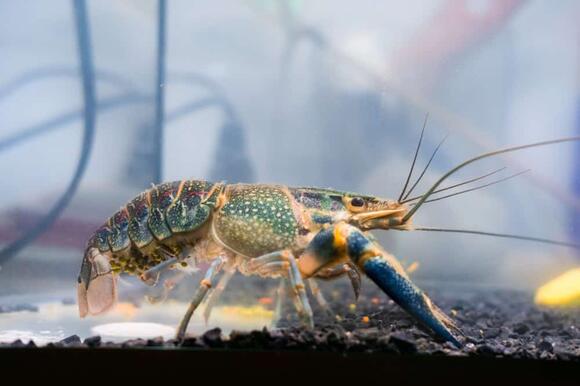
Historically, lobster fishing employed simple traps and relied heavily on small boat operations. Today, while many traditional methods are still used, technology has enhanced the efficiency and safety of lobstering. GPS and sonar technology, for instance, help in locating prime lobster grounds with unprecedented precision.
Lobster’s Role in Maine’s Economy
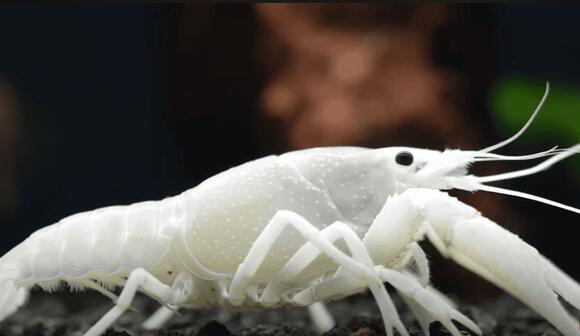
The lobster industry is a powerhouse for Maine’s economy, contributing millions of dollars annually and supporting numerous coastal communities. This economic underpinning ensures that the lobster’s conservation is not just a matter of environmental importance but also of economic necessity.
The Worldwide Impact of Maine Lobster
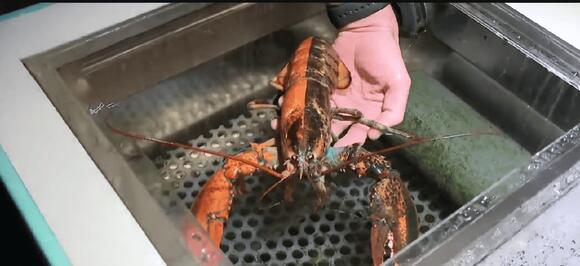
Beyond state borders, Maine lobsters are sought after globally, symbolizing premium seafood. Their reputation for quality and taste has turned them into international culinary stars, with exports reaching distant shores, thus highlighting the far-reaching impact of Maine’s lobster on global cuisine.
Conclusion: A Maritime Marvel of Exceptional Proportions
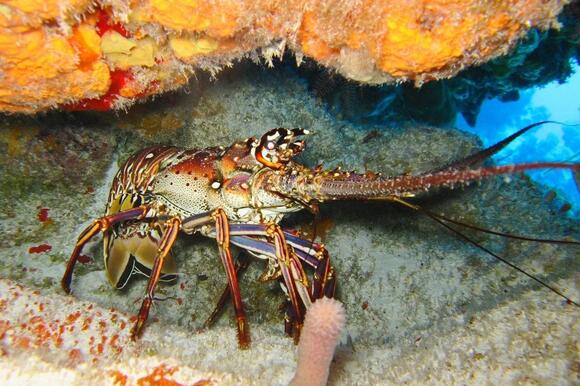
The colossal lobster pulled from Maine waters serves as more than just a record-breaking catch; it is a tangible connection to the deep historical and cultural ties between these creatures and the people of Maine. It embodies the epic scale of nature’s wonders and stands as a reminder of the importance of sustainable practices to preserve such marine marvels. As we look to the future, we must continue to balance our admiration and culinary appreciation with responsible stewardship to ensure that these iconic creatures remain an integral part of our world.
 Add to Preferred Sources


