undefined
Posts
undefined
Followers
David Sickey column: Thanksgiving during a milestone year
By American Press Staff,
1 days ago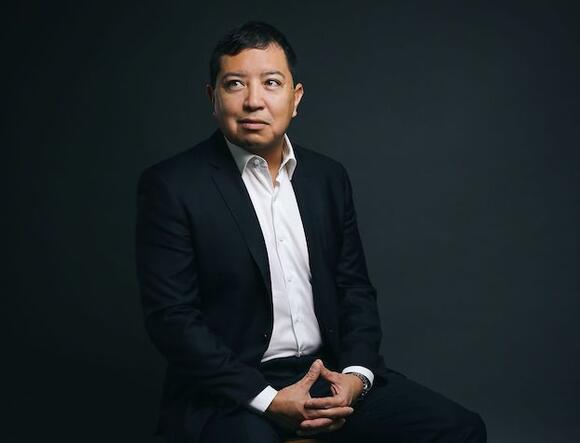
This Thanksgiving day arrives at a rare moment in our collective history. As our nation marks 250 years since the Declaration of Independence, the Coushatta Tribe of Louisiana marks 53 years since our federal re-recognition. Two anniversaries, one table. This is a fitting time to honor the past, embrace the present, and look with hope to the future.
More than 400 years have passed since the 1621 harvest feast at Plymouth Colony, where the Pilgrims and Indigenous people shared a meal. Many versions of that story are told. Which version we lean toward matters far less than our willingness to learn from a past that is richer than any single telling.
Our nation’s official day of thanksgiving was established in 1789 when, in the first year of his presidency, George Washington issued a proclamation setting aside a day of “public thanksgiving and prayer.” He chose Thursday, November 26. This year, Thanksgiving falls on that very same date. Every generation since has carried the Thanksgiving tradition forward, through war and peace, hardship and plenty.
Gratitude belongs to no single calendar and no single people. Giving thanks is universal, shared by every nation and culture that has ever looked at a harvest, a newborn child, or a new morning and recognized a gift.
Thanksgiving is part of our national culture, and it is part of Native American culture. For those of us who are both American citizens and citizens of tribal nations, our gratitude is informed by two converging traditions: a national holiday we share with our neighbors, and an older custom of pausing to remember where we come from and the events that shaped who we are.
For the Coushatta people, one of those events came on June 27, 1973, when the federal government restored our standing as a tribe. Few people today understand what it took to achieve our legal status, nor do they know who carried the burden of doing so. My father, Ernest Sickey, came home from the Air Force to a community living well below the poverty line. Walking through our cemetery with his own father, he stood over the graves of babies who had died of conditions brought on by poverty, deaths that should never have occurred. Soon after, tribal elders asked him to help win back what had been taken from us. There was no federal process for the restoration of tribal rights then, and Louisiana still sorted its people into white and colored.
So he created a process himself. He drove to Baton Rouge and rode a bus to Washington to sit across from people who had never heard of the Coushatta. Instead of business cards he carried a briefcase full of small pine needle baskets, so no one would forget that we were real. In 1972, the Coushatta became the first tribe recognized by the State of Louisiana. Federal re-recognition followed a year later, and Ernest went on to help other Louisiana tribes win theirs as well.
That work cost him dearly. It took him away from home and from his own family for years, time he could never get back. At his memorial, historian Denise Bates, who told our tribe’s story in her book “Basket Diplomacy, “said that what set Ernest apart was his willingness to make sacrifices for “thankless and sometimes misunderstood work.” I saw that up close. He often said: “The struggles have made us stronger.” Fifty-three years later, every Coushatta child who grows up knowing who they are is proof that he was right.
What matters most, then, is not the debate over the details. What matters is the act itself: giving thanks, in prayerful celebration of the many blessings we receive from God. The Psalmist put it plainly: “Enter His gates with thanksgiving, and His courts with praise! Give thanks to Him; bless His name! For the Lord is good; His steadfast love endures forever, and His faithfulness to all generations.” (Psalm 100:4-5, ESV)
This year, that call may not come easily for everyone. Grocery bills and energy costs keep climbing. Paychecks do not stretch as far as they used to. Many elders live on fixed incomes that cover less each month, and many families are quietly carrying more than they let on. Gratitude does not ignore those burdens; it reminds us we were never meant to carry them alone. Often the truest thanksgiving is the extra plate set for a neighbor, the ride offered to an elder, or the phone call to someone spending the holiday alone. Each year, our tribe hosts a Thanksgiving celebration for our elders, a tradition that honors the generation who carried us this far and reminds us of everything we owe them.
Every family’s table changes over the years. Children grow up, loved ones pass on, and the faces around us shift from one November to the next. Traditions evolve, but the heart of the day does not. Wherever we sit, the blessing is the same: people who love one another, sharing a meal and giving thanks to the One who provides it.
So as we gather this week with family and loved ones, around meals and treats prepared with care, let us also stop with humility. Two hundred and fifty years of a republic. Fifty-three years since our tribe’s standing was restored. More than four centuries since that first harvest table. Each reminds us that people who give thanks, even in hard seasons, tend to endure. And each asks us to pass that gratitude on, so that the generations who gather at these tables long after us inherit not only our traditions but the faith behind them.
Happy Thanksgiving, and Aliilamo (thank you).
l
David Sickey is chairman of the Coushatta Tribe of Louisiana.
 Add to Preferred Sources
