undefined
Posts
undefined
Followers
Montana ranchers back Roadless Rule repeal as wildfire debate intensifies
By AGDAILY Contributors,
12 days ago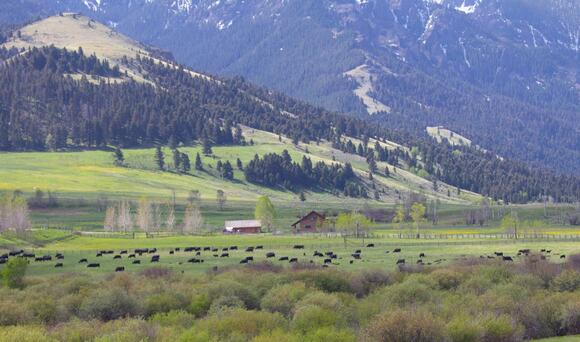
Montana ranchers want federal land managers to have more freedom to fight wildfires, manage forests, and restore grazing opportunities. Conservation advocates warn that removing longstanding protections from millions of acres of national forest could create more problems than it solves.
The two sides have come to a head after the U.S. Department of Agriculture in August proposed rescinding a rule that impacts large sections of national forest. Montana has become one of the nation’s hotbeds of this discussion.
Montana Stockgrowers Association leaders have thrown their support behind the USDA’s effort to rescind the 2001 Roadless Area Conservation Rule, arguing that restrictions on road construction and timber harvesting have limited the U.S. Forest Service’s ability to respond to changing conditions on public lands.
For ranchers who depend on federal grazing allotments, the stakes extend beyond forest management. Wildfires can destroy forage, damage fences, disrupt livestock operations, and leave grazing allotments unusable for years.
Consider a rancher whose cattle graze on a federal allotment surrounded by national forest (a common arrangement in the West, where ranchers pay the federal government to graze livestock on public land). If fallen trees and overgrown vegetation make the area difficult for people to reach, a lack of road access could complicate efforts to bring in equipment to clear hazardous fuels (dry brush, dead trees, and other vegetation that can feed and intensify wildfires) or respond to a wildfire.
If that pasture burns, the rancher could lose an entire grazing season, face additional feed costs and have to find somewhere else to keep the herd. MSGA representatives argue that giving local forest managers more flexibility could help prevent those situations.
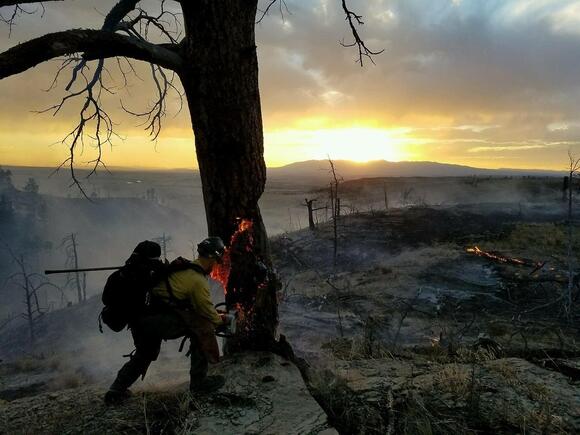
But Wild Montana, a conservation organization advocating for the state’s public lands, says expanding roads into undeveloped forests could increase human-caused wildfires, fragment wildlife habitat, and threaten watersheds that support rural communities. The group joins several other conservation nonprofits around that country that have voiced their concerns.
The disagreement highlights a broader debate over how federal government officials should manage national forests as wildfire risks, grazing demands and conservation priorities compete for attention. The proposed repeal would remove nationwide restrictions affecting millions of acres — what the USDA called a frustrating “a one-size-fits-all restriction” — and shifting more decisions to individual national forests. Supporters see an opportunity for greater flexibility and local control. Opponents question whether additional roads would deliver the promised benefits and argue that existing regulations already allow substantial forest management.
What the Roadless Rule means for ranchers
Established in 2001, the Roadless Rule generally prohibits new road construction, road reconstruction, and timber harvesting in designated inventoried roadless areas, with exceptions for certain activities.
The original rule covered more than 58 million acres of national forest land nationwide, an area roughly the size of Oregon. According to the Congressional Research Service, Montana contains about 6.4 million acres, making the proposed changes particularly significant.
The USDA published its proposed rescission in August 2026, arguing that land management decisions should reflect conditions within individual national forests rather than nationwide restrictions established 25 years earlier. Currently, U.S. Forest Service staff in Montana manage 10 national forests through seven combined administrative units.
“Our forests can’t afford another decade of inaction. Across the country, we’ve watched preventable conditions — overgrown stands, insect outbreaks and disease — turn healthy landscapes into tinderboxes,” U.S. Agriculture Secretary Brooke Rollins said in a statement. “For too long, outdated restrictions have kept tens of millions of forested acres off-limits to the very treatments that improve forest health and reduce wildfire risk to our communities.
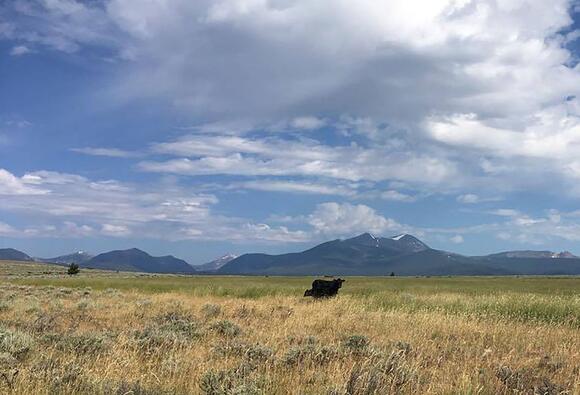
In comments submitted to the USDA in October, MSGA supported the proposal, emphasizing the importance of forest health, wildfire prevention and access to public grazing lands.
“Montana ranchers understand that healthy forests are essential to healthy landscapes and rural communities,” said MSGA Executive Vice President Raylee Honeycutt in an Oct. 6 statement.
“Rescinding this rule gives land managers more flexibility to improve forest health, reduce hazardous fuels and address the needs of individual landscapes,” Honeycutt added.
The organization’s representatives maintain that federal land managers need greater flexibility to remove hazardous vegetation, improve access for firefighting equipment and develop management strategies suited to local conditions.
Wildfire risks and the cost to cattle producers
MSGA representatives also point to the effects of catastrophic wildfires on federal grazing allotments.
Ranchers who hold federal grazing permits can lose access to forage when fires damage rangeland or when allotments become inaccessible or unsuitable for livestock. Those losses can force producers to find alternative grazing, purchase additional feed or reduce herd sizes.
The association specifically identified vacant grazing allotments as an area where increased management flexibility could benefit livestock producers.
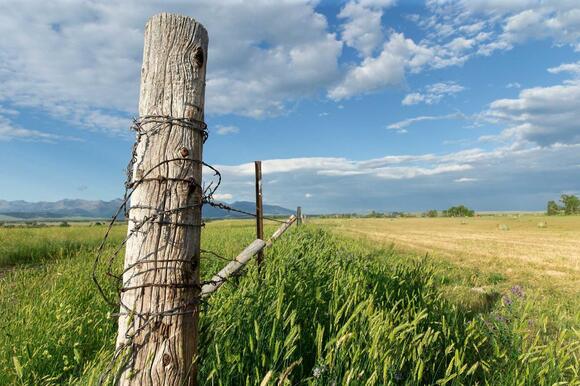
(Image by Look At You Photography, Shutterstock)
According to MSGA representatives, improved forest access could help the Forest Service evaluate and potentially reopen vacant allotments while allowing ranchers and land managers to coordinate grazing strategies.
The organization also argues that livestock grazing can help reduce fine fuels, including grasses and other vegetation that can carry fire across a landscape. The effectiveness of grazing as a fuel treatment depends on vegetation, timing, stocking rates and local conditions.
For cattle producers operating near national forests, the issue also involves the ability to respond quickly when fires threaten livestock, private property, and infrastructure.
USDA makes its case for local control
Federal officials share some of those concerns.
In announcing the proposal, Rollins argued that restrictions have prevented needed forest treatments in areas affected by insect infestations, disease, and heavy vegetation.
USDA staff maintain that returning decisions to local forest managers would make it easier to address conditions that vary widely across Western landscapes.
Forest Service Chief Tom Schultz also emphasized the amount of roadless land facing significant wildfire hazards.
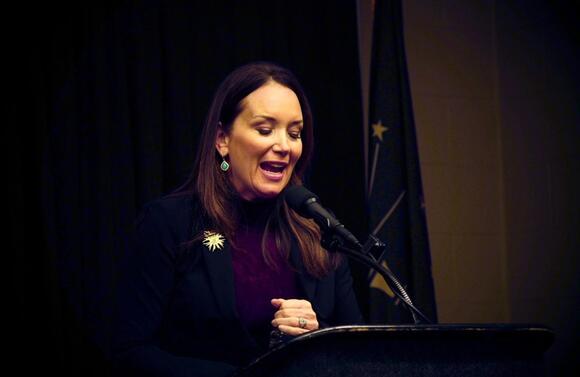
“More than 40 percent of inventoried roadless areas, primarily in the West, have high or very high wildfire hazard potential,” Schultz said in an August USDA announcement.
The agency reported that only 5 percent of those areas had received hazardous fuels reduction treatments since 2014.
Those figures have become part of the administration’s argument for changing the rule, although wildfire hazard potential does not necessarily indicate how frequently fires start or whether road construction would reduce the severity of future fires.
The Forest Services’ draft environmental impact report also expects that rescinding the rule could bring a 4 percent to 10 percent increase in timber harvesting across public forest lands, likely benefiting local communities.
Yet the proposal would not automatically authorize logging, road construction, or new grazing allotments. Individual projects would remain subject to applicable forest management plans, environmental reviews and other federal requirements.
That distinction matters because removing a national restriction would create additional management options without guaranteeing that federal agencies have the funding, personnel, or resources to carry out new projects.
Conservation groups question wildfire benefits
While ranching organizations see increased access as a potential tool for wildfire prevention, Wild Montana argues that additional roads could increase the number of fires started by people.
Hilary Eisen, federal policy director for Wild Montana, said the proposed rescission could undermine years of collaborative forest management efforts across the state.
“We are concerned that rescinding the rule will undercut local collaborative work focused on forest management in the Wildland Urban Interface and other frontcountry lands and return communities to the days of pitched battles over protecting the roadless backcountry,” she said.
The wildland-urban interface refers to areas where homes and other development meet or intermingle with undeveloped vegetation. These landscapes often receive particular attention from wildfire managers because fires can threaten communities and infrastructure.
Eisen said the organization also worries that additional road construction could spread invasive species, reduce forage quality for wildlife, and livestock, fragment habitat and degrade water supplies.
Roads can introduce disturbances that allow invasive plants to establish themselves. They can also alter drainage patterns and increase sediment movement into streams, depending on their location, construction and maintenance.
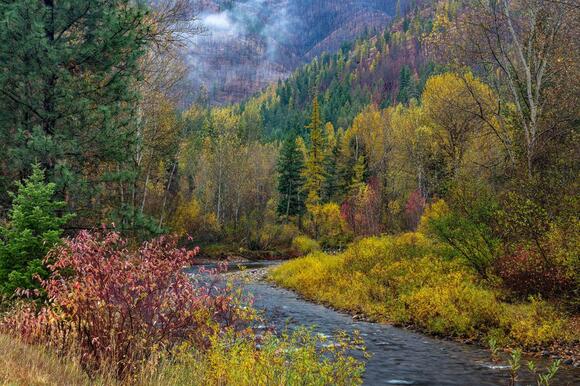
For ranchers, those concerns overlap with familiar land management challenges. Invasive plants can reduce desirable forage, while watershed damage can affect water resources used by livestock and agricultural operations.
The central disagreement, however, involves whether new roads would make forests safer from wildfire.
Eisen pointed to the Forest Service’s draft environmental impact statement, which examined the potential consequences of rescinding the rule. The analysis found that wildfire ignition density was approximately four times higher on other national forest lands than in potentially affected roadless areas and wilderness areas.
The agency also recognized that human-caused fires are more common near roads, where vehicle traffic and recreational activity can increase opportunities for ignition.
“Building more roads into roadless areas will actually increase the threat of wildfire,” Eisen said.
The Forest Service’s findings provide evidence of a relationship between road access and wildfire ignitions, but they do not establish that every new road would produce more fires or that additional access would have the same effect across different forest types.
The agency’s analysis recognizes competing considerations. Roads can improve access for firefighters and equipment, potentially allowing faster responses to some fires. They can also bring more people into areas where human activity increases ignition risks.
A review of the draft environmental impact statement published by Columbia University’s Sabin Center for Climate Change Law questioned whether the Forest Service had adequately supported its conclusions about the potential benefits of improved firefighting access.
Do existing rules already allow forest management?
Wild Montana also disputes the suggestion that the existing rule has prevented meaningful forest management.
Eisen said the Forest Service’s analysis indicates that the Roadless Rule has not substantially limited hazardous fuels treatments when those treatments are considered as a share of total forested land.
“We’ve seen this in Montana, where over 20 percent of fuels reduction projects completed since 2001 have been within roadless areas,” Eisen said.
The Roadless Rule includes exceptions allowing certain road construction and timber harvesting activities. Other forest management techniques, including prescribed burning and some vegetation treatments, can occur without building permanent roads.
Those existing allowances are central to Wild Montana’s position that broad rescission is unnecessary.
Eisen argues that the agency should prioritize treatments near communities and other developed areas rather than remove protections from relatively undeveloped backcountry.
Beyond wildfire concerns, conservation advocates point to the financial implications of maintaining additional roads.
Forest Service staff reported a $6.9 billion deferred maintenance backlog for roads and bridges in its 2026 rulemaking analysis. The agency acknowledged that road costs, maintenance funding and other constraints would limit potential improvements in access following rescission.
For rural communities, the question is not simply whether more roads could be built, but whether those roads could be maintained and whether their benefits would outweigh the potential effects on wildlife, water and existing public access.
Can ranchers and conservation groups find common ground?
Despite their opposing positions on rescinding the Roadless Rule, MSGA and Wild Montana both emphasize the importance of local participation in federal land management decisions.
MSGA argues that individual national forests should have greater authority to develop management strategies reflecting local conditions and the needs of agricultural producers.
Wild Montana supports a more limited approach that would preserve the rule while allowing carefully considered changes where additional management flexibility is needed.
Eisen said the organization has repeatedly encouraged the Forest Service to examine adjustments to roadless area boundaries rather than pursue wholesale rescission.
“We have continuously suggested to the Forest Service that the agency consider an alternative that makes limited adjustments to roadless areas boundaries where more management flexibility is needed,” Eisen said.
She emphasized that those decisions should involve people who understand and depend on the affected landscapes.
“Boundary adjustments must, however, be informed by listening to local stakeholders who live in, work in, depend on, and understand these specific landscapes,” Eisen said.
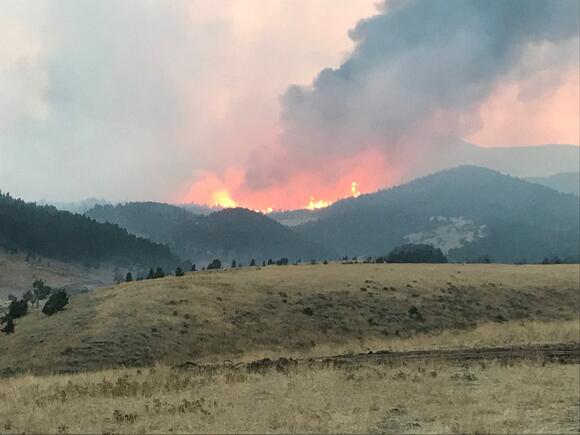
The Forest Service’s draft environmental review examined alternatives to full rescission, including modifying existing protections to provide additional flexibility. That approach could preserve national safeguards while allowing certain changes in areas where access or vegetation management presents particular challenges.
The agency’s published proposal also acknowledges that the practical effects of rescission would depend on existing forest plans, terrain, budgets and environmental requirements.
According to the USDA’s regulatory analysis, approximately 9.8 million acres of inventoried roadless areas nationwide overlap with the wildland-urban interface, representing about 24 percent of the potentially affected landscape. Federal officials identified those areas as places where greater flexibility could support targeted fuel treatments and access for wildfire suppression.
For agricultural producers, local decision-making could provide opportunities to address grazing allotments, vegetation management and emergency access in coordination with Forest Service personnel.
Yet rescission alone would not restore lost animal unit months, reopen vacant allotments or guarantee additional grazing opportunities.
Those decisions would still require evaluation of individual allotments, environmental conditions and applicable federal regulations.
The same applies to wildfire management. Additional road access could support certain treatments or improve firefighting response, but its effectiveness would depend on where roads are constructed, how they are used and whether agencies have the resources to maintain them.
What happens next for Montana ranchers?
For Montana ranchers, the outcome could influence how federal grazing lands are managed and how communities prepare for future wildfire seasons. For conservation advocates, it could determine the future of millions of acres of largely undeveloped forests.
Both groups want healthy landscapes capable of supporting wildlife, water resources and rural livelihoods. Their disagreement centers on whether removing the Roadless Rule would help federal land managers achieve those goals or eliminate protections that have helped maintain them for a quarter-century.
As the federal government weighs its next steps, the debate leaves Montana communities confronting a familiar challenge: how to balance access, conservation and working lands in forests where the consequences of management decisions can extend far beyond federal boundaries.
Suzanne Downing is an outdoor writer and photographer in Montana with an environmental science journalism background. Her work can be found in Outdoors Unlimited, Bugle Magazine, Missoulian, Byline Magazine, Communique, MTPR online, UM Native News, National Wildlife Federation campaigns and more.
The post Montana ranchers back Roadless Rule repeal as wildfire debate intensifies appeared first on AGDAILY.
 Add to Preferred Sources

