undefined
Posts
undefined
Followers
Stretch 360: Revolutionizing Mobility and Longevity Through Daily Movement
A growing number of fitness apps promise to get you to peak performance or full-body transformation through rigorous programs. Newly-released platform, Stretch 360, is taking a different angle: eliminating dysfunction and preserving longevity through specific daily movement.
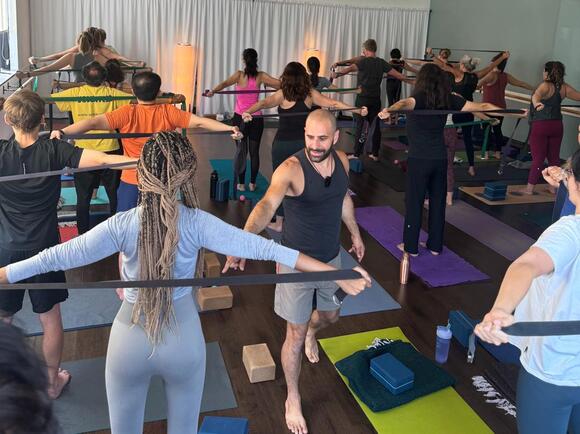
Created by posture alignment specialist and yoga instructor Faysal Abi, Stretch 360 asks a simple but provocative question: What if stiffness, chronic discomfort, and declining mobility aren’t inevitable parts of aging, but signals that the body has been moving in too few ways for too long?
Within the app, Abi reframes movement as maintenance and provides daily videos designed to keep the body adaptable and responsive. For many users, the appeal lies in how manageable the routines feel. Sessions are 10-15 minutes and easily fit into everyday life—before work, between meetings, after training, or before bed.
One user described the impact this way: “The days I fit in my Stretch 360, I sleep better, I move better, and I feel more grounded and energized.” Another noted, “I didn’t realize how much tension I was carrying until I started doing these short daily sessions. My body feels lighter, and I move better without forcing it.”
The Expertise Behind the Platform
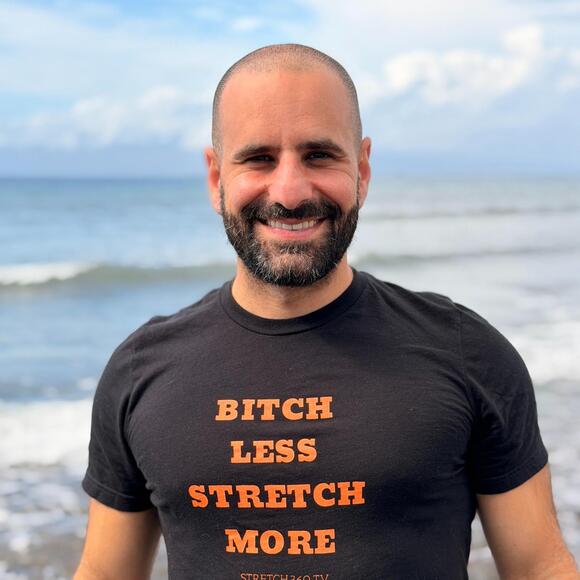
Before developing Stretch 360, Abi came to movement work through his own experience with chronic pain. After a serious accident left him with a debilitating back injury that limited his mobility and quality of life, he became intimately familiar with the traditional approach to chronic pain: medication, physical therapy, even surgery.
When those interventions failed to resolve his pain, Abi took a different route. He immersed himself in studying how the body moves and adapts, focusing on biomechanics, posture, and the relationship between physical tension and the nervous system. Over time, he pursued multiple certifications, including yoga instruction, massage therapy, and posture alignment training.
Through that process, Abi gradually rebuilt his own strength and mobility. More importantly, he began developing an approach that combined therapeutic movement, alignment work, and nervous system awareness. That framework now underpins his work with clients and forms the foundation of Stretch 360, which translates his personal recovery journey into structured routines intended to help others manage pain, improve mobility, and support long-term physical resilience.
“The body already knows how to heal,” Abi says. “Sometimes, it just needs a reminder.”
While uncredited in the app’s instructional design, Abi's dog, Ara, has become a familiar companion for regular users. Occasionally wandering into frame, settling onto the mat, or observing from the sidelines Ara adds a touch of leveity to many routines.
Mobility as Preventive Care
Stretch 360 reflects the growing shift in wellness culture to prioritize prevention. Prolonged sitting, repetitive exercises, and screen-heavy lifestyles can narrow mobility and reduce resilience.
Stretch 360 isn't just about increasing flexibility. It’s about preserving long-term function and reducing the likelihood of pain or injury before they develop.
New videos are released each week, giving users fresh routines to incorporate into their daily schedules. There's also an extensive video library with categories like sleep support, longevity essentials, and even posture correction for tech workers.
“This is the first program I’ve actually stuck with" reports one user. "It feels like it’s working with my body instead of against it.”
A Shift in Fitness Priorities
The philosophy behind Stretch 360 mirrors a broader shift in how many people think about fitness. Rather than focusing exclusively on intensity or performance, attention is increasingly turning toward maintenance, resilience, and longevity, sustaining movement capacity across decades rather than maximizing short-term output.
Whether Stretch 360 will become a central player in that shift remains to be seen. For now, it represents a growing interest in everyday mobility as a foundation for long-term health.
 Add to Preferred Sources


