undefined
Posts
undefined
Followers
Exploring the Most Common Types of Home Inspections in Florida
Types of Home Inspections Available to Florida Buyers
Author Michelle Gibson is a Wellington Florida Realtor at HREG.
Buying a home is one of the most significant investments most people will make in their lifetime, and it's crucial for homebuyers to make sure their investment is a sound one. One of the most important steps in the home-buying process is conducting a home inspection.
Home inspections can help potential buyers gain a better understanding of the property's overall condition, so they can make an informed decision about their purchase. In the sunny state of Florida, home inspections are particularly important due to the unique climate and environmental conditions. In this article, we'll explore the most common types of home inspections that take place in Florida, shedding light on what each entails and why they are crucial.
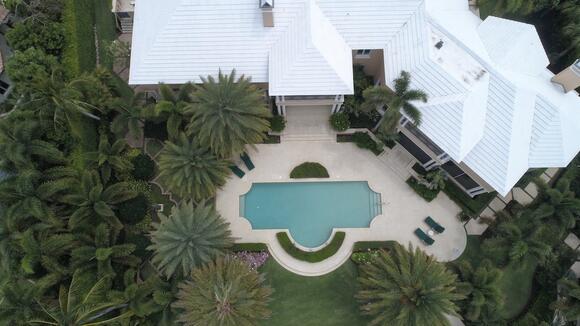
Most Common Home Inspections in Florida
General Home Inspection
A general home inspection is the most common and comprehensive type of inspection conducted in Florida. It provides a thorough evaluation of the property, focusing on its structural and mechanical aspects. A certified home inspector will examine the:
- Foundation: Check for cracks, settling, or any signs of instability.
- Roof: Inspect for missing shingles, leaks, or damage.
- Electrical System: Evaluate the wiring, outlets, and circuit breakers.
- Plumbing System: Check for leaks, water pressure, and drainage.
- HVAC System: Assess the heating, ventilation, and air conditioning systems.
- Interior and Exterior: Examine walls, windows, doors, and insulation.
- Appliances: Test the functionality of kitchen and laundry appliances.
This comprehensive inspection helps buyers identify issues, potential issues, or safety hazards in the property.
Wind Mitigation Inspection
In Florida, wind mitigation inspections are essential due to the state's susceptibility to hurricanes and tropical storms. These inspections assess the resilience of the home's structure and components against strong winds. Wind mitigation inspections include the following key aspects:
- Roof Shape: Hip roofs are more wind-resistant than gable roofs.
- Roof Covering: The type of roofing material can impact wind resistance.
- Roof Deck Attachment: The method of attaching the roof deck to the trusses or rafters is examined.
- Roof-to-Wall Connections: This assesses how the roof is anchored to the walls.
- Roof Opening Protection: Inspection of windows, doors, skylights, and garage doors for impact resistance.
Wind mitigation inspections can result in discounts on homeowners' insurance premiums, making them not only important for safety but also cost-saving.
Four-Point Inspection
A four-point inspection is commonly requested in Florida, especially for older homes and those over 30 years old. This inspection focuses on four primary areas of the home, which are often of particular concern to insurance companies. The four components inspected are:
- Roof: The inspector will assess the age, condition, and potential for leaks or damage.
- Plumbing: Check for any visible leaks, signs of corrosion, or outdated materials.
- Electrical: Examine the wiring, panel, and any outdated electrical components.
- HVAC: Evaluate the heating, ventilation, and air conditioning system for safety and functionality.
Insurance companies use this inspection to determine the insurability of the property and to set the appropriate premium rates. For older homes, it's especially vital to ensure that these components are in good condition.
Termite and Pest Inspection
In Florida, where a warm and humid climate is prevalent, termites and pests can wreak havoc on homes. A termite and pest inspection is necessary to check for any signs of infestations that could compromise the structural integrity of the property. This inspection covers various wood-destroying organisms, including termites, carpenter ants, and wood-boring beetles. It is especially crucial for homes with wooden structures and in regions prone to termite activity.
Other Common Home Inspections
Mold Inspection
Florida's humid climate provides the ideal conditions for mold growth, so some buyers opt to have a mold inspection. This type of inspection is conducted by a mold inspector who will examine and take air samples in common areas of mold growth or areas of concern. Mold can lead to health problems and significant damage to the home therefore it shouldn't be taken lightly.
Pool and Spa Inspection
Pools and spas are a common feature in Florida homes, providing a great way to beat the heat. A pool and spa inspection assesses the safety and functionality of these amenities. This inspection covers the pool's structural integrity, equipment, safety features, and compliance with local regulations. It ensures that the pool or spa is safe for use and identifies any potential issues that might require attention, such as resurfacing.
Septic System Inspection
In rural areas of Florida, many homes rely on septic systems for wastewater treatment. A septic system inspection is crucial to assess the functionality and condition of these systems. Inspectors check for signs of leaks, clogs, and overall system performance. A well-maintained septic system is a must for a home's sanitation and environmental impact.
Radon Gas Inspection
Radon is a radioactive gas that can seep into homes through the ground, potentially causing lung cancer. Florida is not considered a high-risk state for radon, but it can still be present in some areas. A radon gas inspection checks for elevated radon levels within the property and, if found, recommends mitigation measures.
Do Florida Buyers Have to Get a Home Inspection?
Homebuyers are not legally required to get a home inspection, but it is highly advisable and almost universally recommended. A home inspection helps buyers understand the condition of the property they are purchasing. It can not only save them from unexpected repair costs it can provide leverage for negotiations with the seller. While it's not mandatory, opting for a home inspection is a wise choice.
How Long Do Florida Buyers Have to Get a Home Inspection?
In Florida, the time frame for buyers to get a home inspection typically depends on the terms negotiated in the purchase contract. The standard FAR/BAR "AS IS" Residential Contract For Sale and Purchase has a default "inspection period" of 15 days. However, the average inspection period that most buyers and sellers negotiate is usually 5-7 days. During this period a buyer can have a home inspection, and obtain quotes along with second opinions.
How Much Does a Home Inspection in Florida Cost?
The cost of a home inspection in Florida can vary depending on several factors, including the location of the property, the size of the home, and the scope of the inspection. On average, for a general inspection, you can expect to pay anywhere from $300 to $800. However, additional inspections, such as wind mitigation, four-point inspections, or termite inspections, may incur extra charges.
Final Thoughts
Home inspections are a crucial step in the home-buying process in Florida. With the state's unique climate and environmental conditions, various types of inspections are necessary to ensure a property's safety, functionality, and value. Whether you're a buyer or a seller, these inspections provide essential information for informed decision-making. By understanding the most common types of home inspections in Florida and their significance, you can navigate the real estate market with confidence and peace of mind, knowing that your investment is secure and sound.
Check out more real estate news and tips on Newsbreak from Michelle Gibson.
 Add to Preferred Sources
