undefined
Posts
undefined
Followers
Urban Wildlife Sightings Surge in the Carolinas
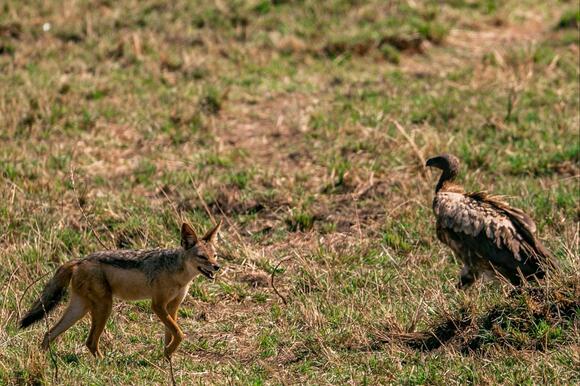
LELAND, NC- Seasonal wildlife activity is in full swing in the Carolinas, and animal sightings in urban settings are becoming more common.
In Leland, residents talk with neighbors and take to social media and community forums, describing encounters with a roaming coyote, a fox, and a bald eagle on separate days in the last few weeks in the Waterford community. Two separate sightings of bears in Olde Town and on Village Drive were posted to Facebook and NextDoor this week. Some believed they saw a wolf along Carolina Beach road, and described a large snapping turtle laying eggs near Mallory Creek. One man posted in a Carolina Beach Facebook group, saying he had witnessed an alligator in a death roll with a man's labrador retriever along the Cape Fear River, where families with children were playing near the water in an unverified post. Commenters appeared to describe having seen the same incident. Alligators are a common occurence, crossing highways in busy traffic and often requiring removal. Whole groups of geese with dozens of goslings graze near US-17 every day dodging traffic, where local drivers can often be seen stopping to let them cross.
Some say an increase in local construction activity has resulted in the increase in sightings in recent weeks, while others say there is no correlation. Conservation groups have been vocal in the region as the population has increased dramatically, bringing new land-clearing and building projects with it. Between 2020 and 2023, the population increased by 17% in Brunswick County according to the Census Bureau, delivering many changes right along with it.
Spring and early summer are known for animal sightings, as this is the time wildlife is known to lay eggs, come out of winter hibernation, seek out new nesting areas and hiding places, gather food, and mate.
The North Carolina Wildlife Resources Commission offers guidance to those at risk of an animal encounter on their website. Their two most important recommendations are never to touch, handle, or feed a wild animal, and to leave any young animals in the location they were found.
If residents are concerned about an animal's wellbeing or safety at an encounter, the agency suggests calling for professional help and instructions from a conservancy organization, known wildlife rehabilitator, or their own organization.
- Who to call: NCWRC’s Wildlife Helpline at 866-318-2401. The HelpLine is open Monday through Friday, 8 a.m. – 5 p.m.
- The HelpLine is available by email as well: HWI@ncwildlife.org
- Local Animal Control can often assist if the HelpLine cannot be reached.
 Add to Preferred Sources


