undefined
Posts
undefined
Followers
My NJ Transit Experience Revealed Some Serious Problems (Opinion)
By Bill Spadea,
6 hours ago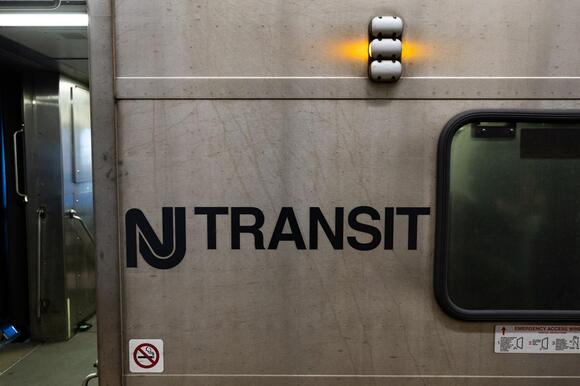
As you know, if you listen to the show, I’m a New York City commuter again.
It’s not ideal, but I’m fortunate to have the opportunity to have a bigger platform talking to an expanding audience about the things we need to do to fix this state and country.
One of the biggest areas of complaints I receive on the morning show is from commuters who take NJ Transit to Manhattan.
Since driving in the Big Apple has become more difficult than it’s worth, I decided to start taking the train. Of course, if you want to really learn about a problem, dive in head first and experience it firsthand.
I decided to try driving to Secaucus, park and take the train into Penn Station New York, then the subway.
Let me say, Secaucus is a very nice station, plenty of food and beverages available, not a ton of seating, but the real problem is the distance from the parking and the limited amount of parking spaces. If you’re commuting in a suit, you’re gonna work up a sweat in the summer and be a wet mess in the spring and winter with any kind of weather.
So, I decided the most cost-effective way was to get a ride to Princeton Junction (it’s about a $20 Uber ride) and take the express train to NYC. The train takes an hour and 9 minutes, then I hop on the E train and walk 3 blocks. Door to door, about 2 hours.
Not bad considering that I was able to work on the train, save on the aggravation of the midtown traffic and avoid the nearly three-hour Saturday night commute home.
As I traveled, I kept notes throughout the trip, and what I experienced raises some serious questions about efficiency, accountability and basic customer service.
Let’s start with ticketing
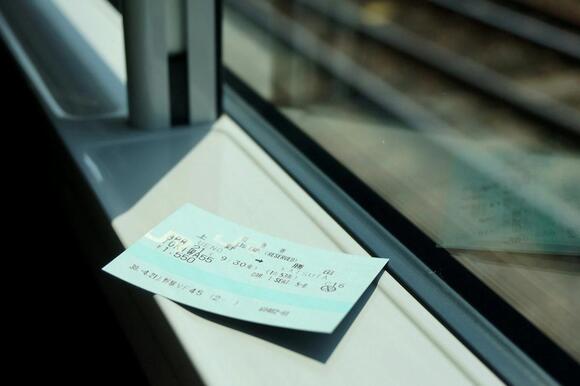
On both trips, I traveled through multiple stations without anyone checking my ticket. On the return, I was already past Newark and heading toward Metropark without a single inspection.
When the staff did check my ticket, only on one leg of four, she casually looked at it and moved on.
No electronic scan of the QR code.
That raises an obvious question: Could passengers reuse screenshots or simply wait to activate tickets until a conductor approaches? We know the answer.
The question is how much revenue is NJ Transit potentially losing?
Solution: Audit fare collection and introduce reliable electronic validation. Before raising fares, make sure everyone is paying.
Then there’s the confusing ticket system. Two one-way tickets cost the same as a round trip, and the activated ticket displayed an expiration time of less than three hours.
What if you’re meeting someone for lunch? What if your train is delayed? What if the conductor doesn’t check your ticket until after it expires?
Solution: Upgrade the app and offer a round-trip discount and allow for an ‘undo’ if you accidentally activate the wrong ticket or activate it too early.
The app is not as user-friendly for busy, distracted people as it needs to be. It was very challenging to track my train, and I had to search upcoming stations to determine where I was.
At Secaucus, the train I was actually riding wasn’t even showing in the app.
On the return trip, we were approximately 15 minutes late. I had to notify my scheduled Uber driver to avoid a potential waiting charge.
The app said the train was on time.
Solution: Real-time train tracking, accurate arrival estimates and automatic delay notifications.
If Uber can track a car, NJ Transit should be able to track a train and make it obvious on the app.
Then there’s the seating situation
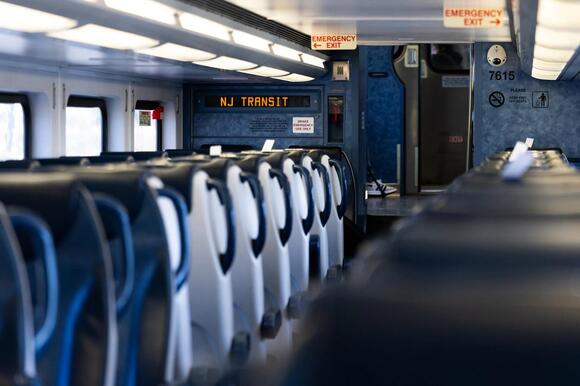
In one car, I counted nine three-seat sections. Six had only two people sitting in them while at least ten passengers stood.
Aisle people simply wouldn’t move over to allow someone else to sit down. That leads to crowds in the aisle, probably one of the reasons the conductors can’t freely travel to collect tickets, and a huge delay trying to depart the train at a stop.
On the return trip, the same thing happened. Public transportation requires some basic courtesy.
You don’t have to make a new friend, but you should make room for another passenger.
Solution: Retire all the old trains as the new models only have two seats on each side.
When using the older models, how about announcements reminding passengers to make room and conductors asking people to move in so everyone has a seat.
The condition of the trains isn’t much better.
Car 5539 had windows so cloudy and dirty they looked covered in ice. The equipment felt old, and unpleasant smells from food and beer drifted through the car.
Then came the garbled announcements. Passengers missed stops because they couldn’t understand what was being said or didn’t realize certain doors wouldn’t open.
Solution: Clean and maintain the equipment, improve ventilation, and install reliable automated announcements and displays clearly identifying upcoming stops and door restrictions.
The Penn Station bottleneck
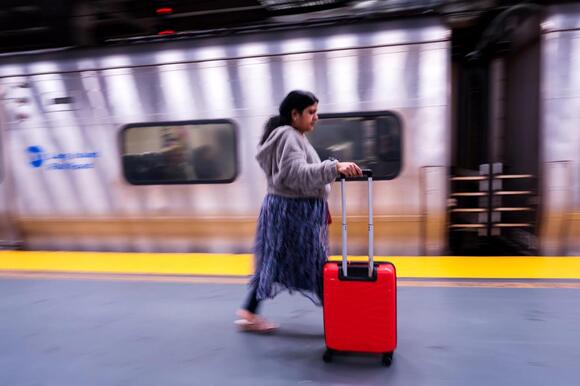
Arriving at Penn Station brought another frustration. Hundreds of passengers were trying to exit through a bottleneck at a single escalator.
It took several minutes just to get off the platform.
I realize this is not a New Jersey Transit problem, but you’d think that between the various transportation agencies and the elected officials on both sides of the Hudson, there’s someone paying attention to the clear safety hazard of having a bottleneck underground.
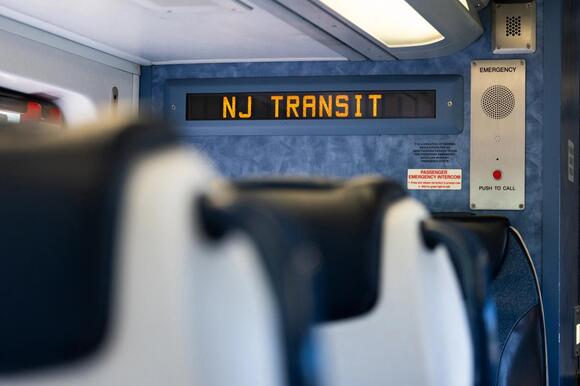
It’s time for serious reform
Here’s the bigger issue.
I’ve ridden transit systems in London, Washington, Boston and New York. None are perfect, but they demonstrate that public transportation can be easier to navigate, more predictable and more passenger-friendly.
My NJ Transit experience was limited for sure, so I recognize that every system has good days and bad days. The problems were obvious, and many don’t require millions in new spending to fix.
New Jersey commuters already pay plenty in fares, tolls, and our small businesses pay more than their fair share of taxes. Before asking them for more, NJ Transit should focus on improving the service they’re receiving.
Check the tickets. Fix the app. Clean the trains. Make room for passengers. Announce the stops clearly. Tell commuters the truth about delays.
I’ve been advocating for fixes to NJ Transit for more than a decade. This isn’t a new argument, and the problems I witnessed firsthand on my latest trips only reinforce the need for serious reform.
I’ve advocated for a private-public partnership, including NJ companies like Boxcar to increase efficiency and lower costs.
I’ve advocated to monetize assets like real estate to bring in capital to use to upgrade the infrastructure.
Government-run transportation has become a costly, inefficient system with little accountability and even less incentive to improve customer service. The private sector can do better.
I made the case in 2016, again in 2018 when I called for selling NJ Transit, and later that year when I warned the system would only get worse.
Nearly a decade later, commuters are still paying the price.
It’s time to stop throwing taxpayer and commuter money at a broken system and star demanding real accountability, competition and private-sector solutions.
The post above reflects the thoughts and observations of New Jersey 101.5 talk show host Bill Spadea. Any opinions expressed are Bill’s own
Click here to view photo galleryThe post above reflects the thoughts and observations of New Jersey 101.5 talk show host Bill Spadea. Any opinions expressed are Bill’s own.
 Add to Preferred Sources
